


An Introduction to Whole Melt Extracts Pop Drop
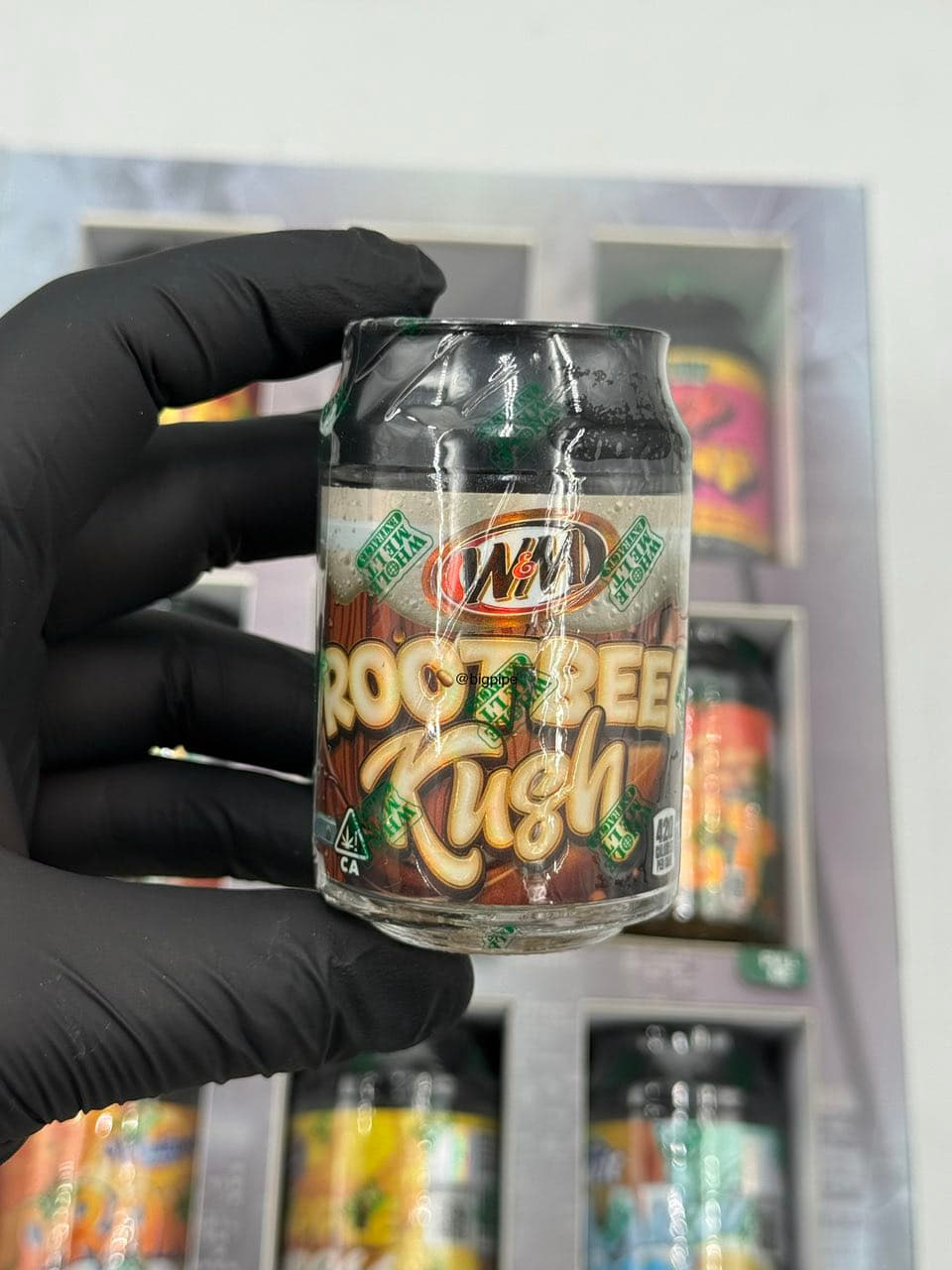
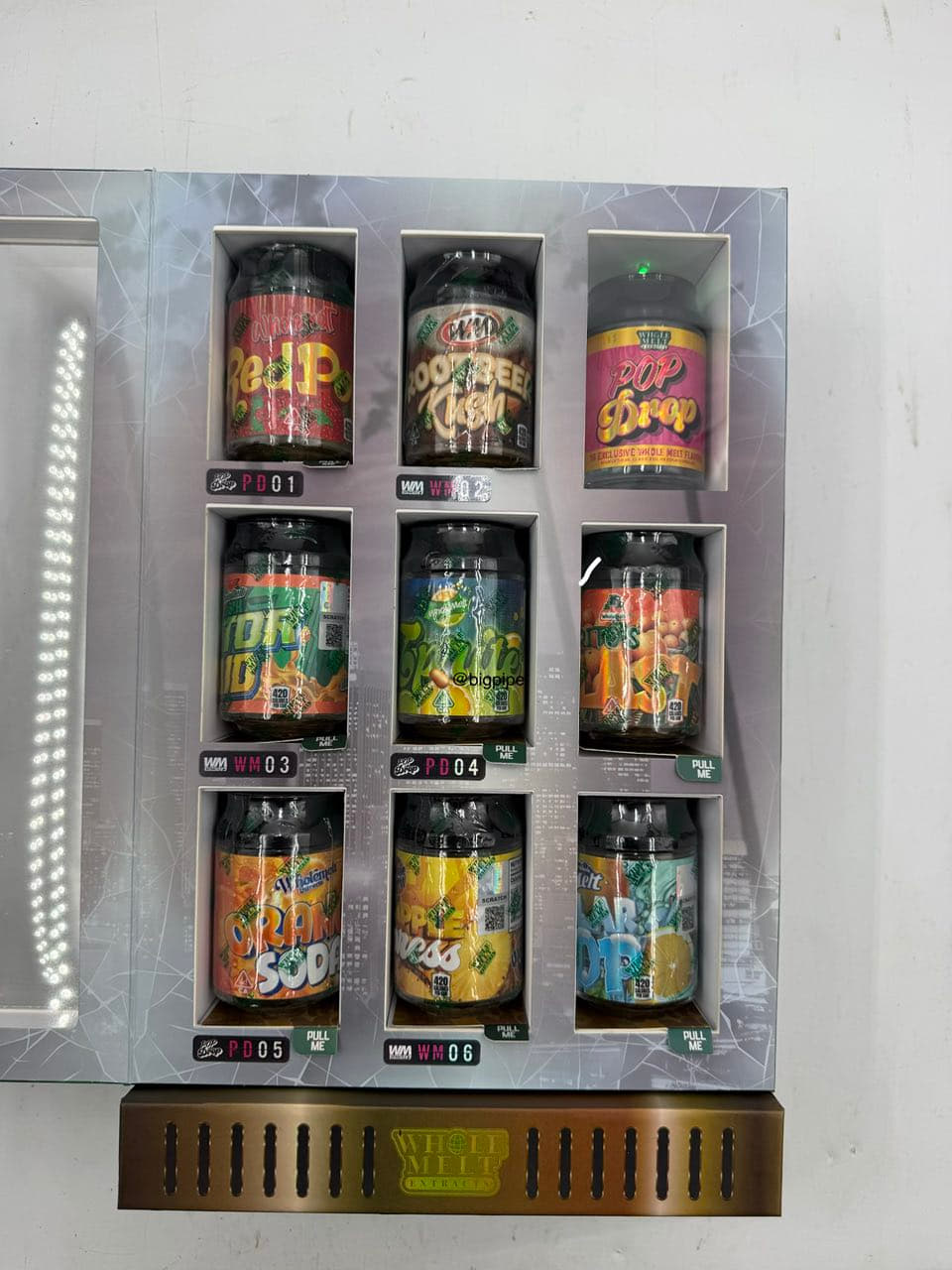
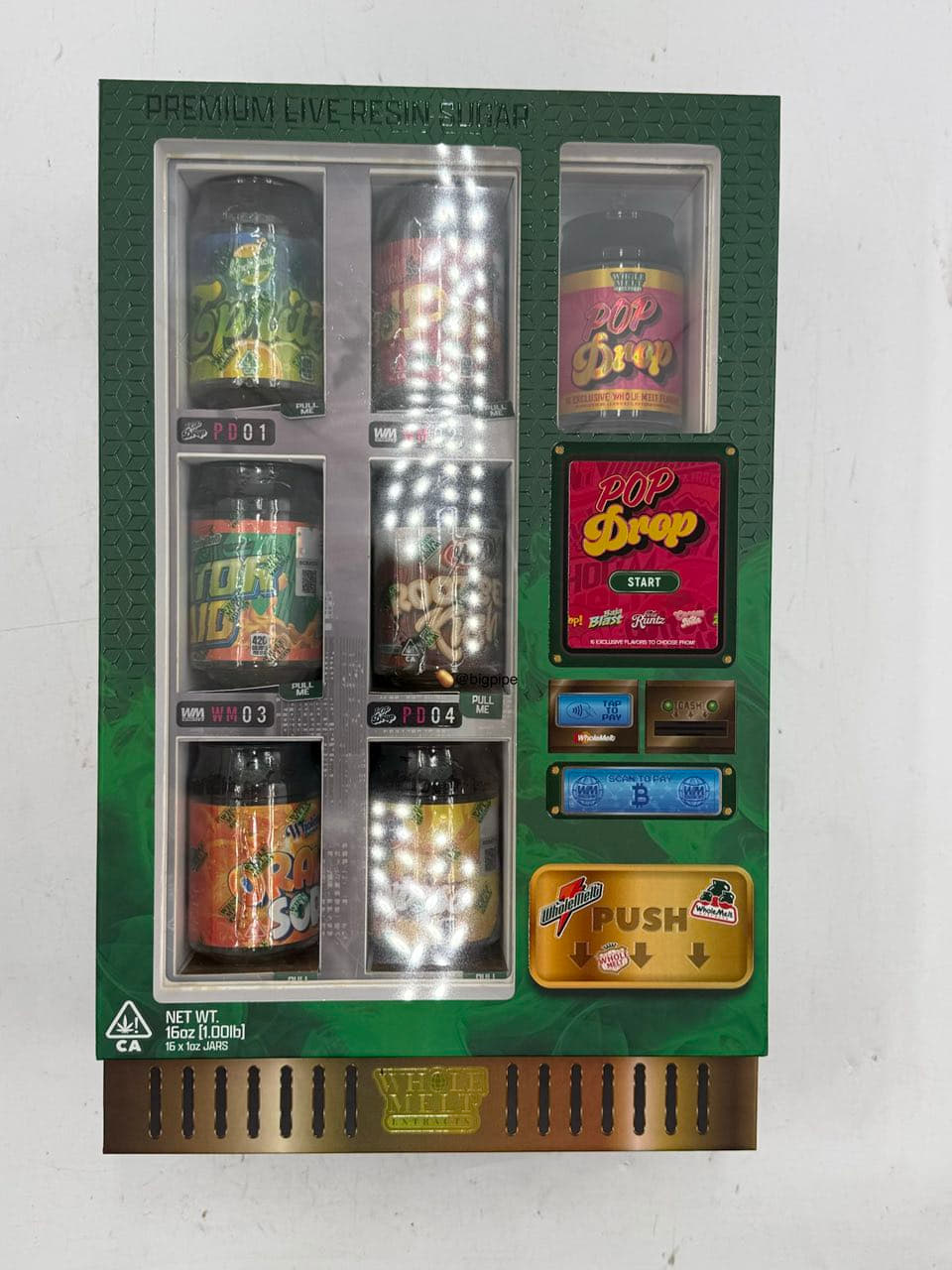
Whole Melt Extracts Pop Drop is a product name associated with the Whole Melt Extracts identity, a name that appears within the broader concentrate and extract product category. The Pop Drop name gives the product its own recognisable identity, setting it apart from other names, editions, and packaging styles associated with the brand. Its presentation can be described through its product labelling, visual identity, packaging design, and the information provided to consumers.
Product names, packaging, and labels play an important role in how items are recognised. In this case, Pop Drop serves as the distinguishing name, while Whole Melt Extracts identifies the brand associated with the product. Together, these elements create a recognisable naming structure that can be used across product documentation, packaging records, and catalogue listings.
Product Identity and Naming
Product identity begins with the name printed on a package. Whole Melt Extracts Pop Drop combines a brand name with a specific product designation, allowing the item to be distinguished from other products that may share the same brand identity. This distinction becomes particularly important when product collections include different editions, labels, packaging designs, or names.
The Pop Drop designation is the defining part of this product’s title. It provides a reference point for identifying the item in a catalogue or product-information database. Meanwhile, the Whole Melt Extracts name establishes the brand association that appears alongside the product designation.
Packaging and Visual Presentation
Packaging is an important part of product identification. Colours, typography, printed information, logos, and container design can help distinguish one item from another. However, packaging appearance alone does not establish authenticity, composition, laboratory results, or manufacturing quality.
A complete product presentation generally includes clearly visible labelling, relevant manufacturer information, applicable warnings, and details that can be independently verified. Therefore, product documentation is more useful when it separates visual descriptions from factual claims about the contents.
Product Information and Transparency

Accurate product information helps readers understand what is being presented without relying on assumptions. Details such as ingredient information, batch identification, manufacturing information, laboratory documentation, and applicable regulatory notices should come from verified sources rather than be inferred from a product name.
Furthermore, packaging and labelling may differ between batches or markets. As a result, the information displayed on an actual product should take priority over descriptions copied from unrelated listings.
Responsible Product Documentation
Responsible documentation avoids unsupported claims. It distinguishes between information printed on packaging, information supplied by a manufacturer, and information that has been independently verified. This distinction makes product records clearer and reduces the possibility of misleading readers.
Whole Melt Extracts Pop Drop can therefore be documented using its identifying name, packaging details, available manufacturer information, and verified labelling information. Any details that remain unconfirmed should be identified as unknown rather than presented as established facts.
Whole Melt Extracts Pop Drop is a product designation associated with the Whole Melt Extracts name. Its identifying information includes the product title, brand association, packaging, and any verified details available on its label or accompanying documentation.
A clear product overview maintains a distinction between appearance and verified information. In doing so, it provides a more transparent description that readers can understand without confusing branding, packaging, or unverified statements with confirmed product facts.
The Importance of Distinct Product Identity
A clearly defined product identity provides a foundation for organised product information. When a product carries both a brand name and an individual designation, each part of the name contributes to its identification. Whole Melt Extracts Pop Drop is an example of a name that combines brand recognition with a separate product title. This distinction helps maintain clarity when different items appear within the same product family.
Product identity is not limited to a printed name. It may also involve packaging details, label information, batch references, and manufacturer documentation. These elements can help distinguish products that share similar names or appearances. Moreover, consistent identification becomes increasingly important when product information is stored across several platforms, catalogues, or records.
The Pop Drop designation functions as the individual product reference within the larger Whole Melt Extracts name. Consequently, the product can be documented separately from other items that may carry different designations. A consistent naming format also reduces confusion when records are updated, reviewed, or compared.
Understanding Brand Presentation
Brand presentation involves the visual and written elements that establish a brand’s identity. These elements may include logos, lettering, colours, symbols, packaging layouts, and printed product names. Each component contributes to the overall appearance of a product without necessarily providing evidence about its contents.
Whole Melt Extracts Pop Drop can be identified through the combination of its displayed brand name and product designation. However, brand presentation should remain separate from verified product information. A recognisable logo, distinctive label, or unusual package design does not independently confirm the origin or composition of an item.
In addition, branding can vary between production runs, markets, and packaging revisions. For this reason, a reliable product record should reflect the packaging that is actually being examined instead of assuming that every version looks identical.
Packaging as an Identification Reference
Packaging serves several practical purposes within product documentation. It provides a surface for displaying identification details, manufacturer information, warnings, and other relevant notices. Furthermore, it allows products to be distinguished through their physical presentation.
Descriptions of packaging are most accurate when they rely on observable characteristics. For example, the shape of a container, the placement of printed text, the presence of a label, and the visible colours can be documented without making assumptions about the material inside.
Packaging details can also help identify differences between versions. A change in typography, label placement, printed designation, or container structure may indicate a different packaging revision. Nevertheless, visual differences alone should not be interpreted as proof of authenticity or manufacturing history.
Label Information and Accuracy
Product labels provide an important source of identification information. Depending on the product and applicable regulations, labels may contain a product name, manufacturer details, batch information, ingredient disclosures, warnings, and other relevant information.
Accurate label records preserve the information as it appears. This includes spelling, capitalisation, numbers, symbols, and any distinctions between the brand name and the product designation. Small differences can matter when products have similar names.
Additionally, label information should not be expanded with unsupported statements. If a particular ingredient, manufacturing process, testing result, or specification cannot be verified, it should not be treated as an established fact. Clear documentation benefits from separating confirmed details from information that remains unavailable.
Product Catalogue Organisation
Catalogue organisation provides a consistent way to record products with different names and identifiers. A well-structured catalogue can include a product title, brand reference, category, packaging description, label information, documentation status, and date of record creation.
Whole Melt Extracts Pop Drop can be represented as an individual catalogue entry rather than combined with unrelated products. This approach preserves its distinct name while allowing it to remain part of a broader brand record.
Catalogue consistency is useful because product information may be reviewed by different people or transferred between systems. When naming conventions remain consistent, records are easier to locate, compare, and update. Furthermore, a clear catalogue structure helps reduce duplicate entries and naming errors.
Distinguishing Confirmed Details from Assumptions

A product description should make a clear distinction between information that has been verified and information that is simply inferred. This principle applies to product names, package appearance, manufacturer claims, specifications, and documentation.
The product title establishes the name used for identification. Packaging observations establish what can be seen. Manufacturer documentation may provide additional information, while independent testing or other credible evidence may be needed to verify certain claims.
These sources are not interchangeable. A printed statement may represent a manufacturer’s claim, whereas independent documentation may provide a separate form of verification. Maintaining this distinction makes records more transparent and dependable.
Documentation and Recordkeeping
Recordkeeping can improve consistency when product information is collected over time. A basic record may include the displayed name, the date the information was reviewed, the source of the details, and any unresolved questions about the product.
The purpose of such documentation is to preserve information rather than introduce assumptions. As a result, future updates can be compared against earlier records without losing track of what was originally observed.
For products with similar names, maintaining individual records is especially important. Each record can retain its own product designation, packaging description, and supporting information. This prevents details from one item being unintentionally attributed to another.
A Clear and Informative Product Overview
An informative overview should use simple language and a logical structure. The product name should appear clearly, followed by relevant identification information. Supporting details should be arranged under headings that make the content easy to follow.
Whole Melt Extracts Pop Drop can be described through its product identity, brand association, labeling, packaging, and available documentation. These categories provide a framework for understanding how the item is identified without relying on unsupported specifications.
A well-organized overview also avoids unnecessary repetition. Each section should address a separate aspect of the product record, allowing the reader to understand its naming structure, presentation, and documented characteristics independently.
Maintaining Consistent Product Information
Consistency matters whenever product information appears in multiple places. A product title may be listed in a catalog, printed on a package, or included in a record. If these references differ significantly, identifying the correct item can become more difficult.
Consistent naming helps preserve the relationship between the brand and the product designation. It also supports clearer recordkeeping, especially when several items have related titles.
Product information should be reviewed whenever updated packaging, revised labels, or new documentation becomes available. Changes should be recorded carefully so that earlier information remains distinguishable from newer observations.
Whole Melt Extracts Pop Drop is identifiable through its product name and association with the Whole Melt Extracts brand. A clear record of the product can include its designation, visible packaging, label information, and supporting documentation.
The value of accurate product information lies in clarity, consistency, and transparency. By separating visible details from verified claims, product records become easier to understand and less likely to contain misleading assumptions. This approach provides a useful foundation for documenting products in a responsible and organized manner.
Product Classification and Information Structure
Product classification provides a practical way to organize items that share a brand name, category, or general identity. A consistent classification system helps distinguish individual products without relying exclusively on packaging appearance or informal descriptions. In addition, it allows information to be organized in a format that remains understandable as records expand.
Whole Melt Extracts Pop Drop can be identified as an individual product entry within a larger brand-related record. Its title provides the primary reference, while additional identification fields may help clarify the item. These fields can include the exact printed name, label version, packaging observations, documentation source, and record date.
A structured approach to classification reduces ambiguity. Rather than combining multiple product names into a single entry, individual designations remain separate. Consequently, information can be reviewed or corrected without unintentionally affecting other records.
The Role of Product Naming Standards
Naming standards create consistency across product information. When names are recorded in a predictable format, readers can identify products more easily and distinguish similar entries. This becomes particularly useful when brand names are accompanied by edition titles, collection names, or additional product identifiers.
The Whole Melt Extracts Pop Drop title should remain consistent throughout its documentation. Variations in spelling or punctuation can create unnecessary differences between catalog entries. Therefore, the displayed name should be treated as the primary reference whenever reliable packaging or manufacturer documentation is available.
Naming standards also support information management across digital platforms. A consistent product title can reduce duplicate records, improve search accuracy within an internal catalog, and make documentation easier to maintain.
Understanding Product Reference Fields
Product reference fields provide additional context beyond a product title. These fields are designed to preserve details that may otherwise become difficult to distinguish.
A record can include the brand reference, product designation, category, source of information, packaging description, and verification status. Each field has a separate purpose, which makes the information easier to review.
For example, the product title identifies the item, while the source field explains where the information came from. The packaging field records observable characteristics, whereas the verification field indicates whether certain details have been independently confirmed.
Separating these categories improves clarity. It also reduces the risk of treating a visual observation as a confirmed manufacturing specification.
Packaging Variations and Record Accuracy
Packaging may change over time for a variety of reasons. Design revisions, printing changes, regional labeling requirements, and manufacturer updates can affect the appearance of a package. As a result, two packages associated with the same product name may not look exactly alike.
Such differences should be recorded objectively. Visible changes can be noted without assigning a cause unless supporting documentation is available. This approach preserves the distinction between observation and interpretation.
A packaging record may describe the visible label, printed product name, container shape, and other identifiable features. However, these observations do not automatically establish the date of production, origin, authenticity, or contents.
Visual Documentation Practices
Visual documentation can provide a useful reference for product identification. Photographs may preserve details that are difficult to describe through text alone, including label placement, printed symbols, package dimensions, and design differences.
A complete visual record should be associated with the corresponding product entry. This connection prevents images from being mistakenly attributed to products with similar names. Furthermore, image records may include a date or source reference to establish when the photograph was obtained.
Visual documentation is most useful when it supports written information rather than replacing it. A photograph can show a package’s appearance, but it cannot independently verify every statement printed on the package.
Manufacturer Information and Source Reliability
Manufacturer information can help establish product identity and provide context for labeling or packaging details. Nevertheless, the reliability of information depends on its source and the ability to verify that it relates to the specific product being documented.
Official documents, identifiable packaging, and independent records may provide different forms of evidence. Each source should be described accurately so that readers can understand the basis for a particular statement.
When information cannot be confirmed, a record should indicate that the detail remains unverified. This practice is more transparent than filling gaps with assumptions or copying claims from unrelated listings.
Maintaining Separate Product Records
Separate records are useful whenever multiple products have similar names or share a common brand. Each entry can retain its own product designation, description, references, and documentation history.
Whole Melt Extracts Pop Drop should therefore be treated as a distinct reference rather than merged with other product names. This arrangement allows information about the item to remain organized even when additional products are introduced into the same catalog.
A separate record also simplifies updates. If packaging details change, the relevant entry can be reviewed without unnecessarily changing information associated with other items.
Information Updates and Version History
Product information is not always static. New packaging, revised labels, updated manufacturer documents, or corrected product records may become available. A version-history approach helps preserve the distinction between previous information and current observations.
An updated record can include the date of the change, the specific information that was revised, and the source supporting the update. This creates a clear history that can be reviewed later.
Version history also helps prevent conflicting information from being treated as equally current. Earlier observations remain available, while newer verified details can be clearly identified.
Clarity Across Digital Records
Digital records benefit from simple, consistent formatting. Product titles, headings, and reference fields should be arranged in a way that makes information easy to locate. Moreover, unnecessary duplication can be reduced by assigning each product its own entry.
A structured digital record may use a consistent title, descriptive sections, and source references. These elements make information easier to review across different devices and platforms.
Clarity is especially important when records are shared. Readers should be able to distinguish product identification information from observations, claims, and unresolved details without needing additional explanation.
Summary of Classification Principles
Product classification is based on consistent naming, separate records, reliable references, and clear documentation. These principles help maintain an organized information system in which products can be identified without confusion.
Whole Melt Extracts Pop Drop remains a distinct product reference within this framework. Its identifying name, packaging observations, and available documentation can be preserved in a separate record. In addition, updates can be made without losing earlier information or mixing details from unrelated entries.
The result is a more consistent and transparent approach to product identification, record maintenance, and information management.





Reviews
There are no reviews yet.