Product Overview
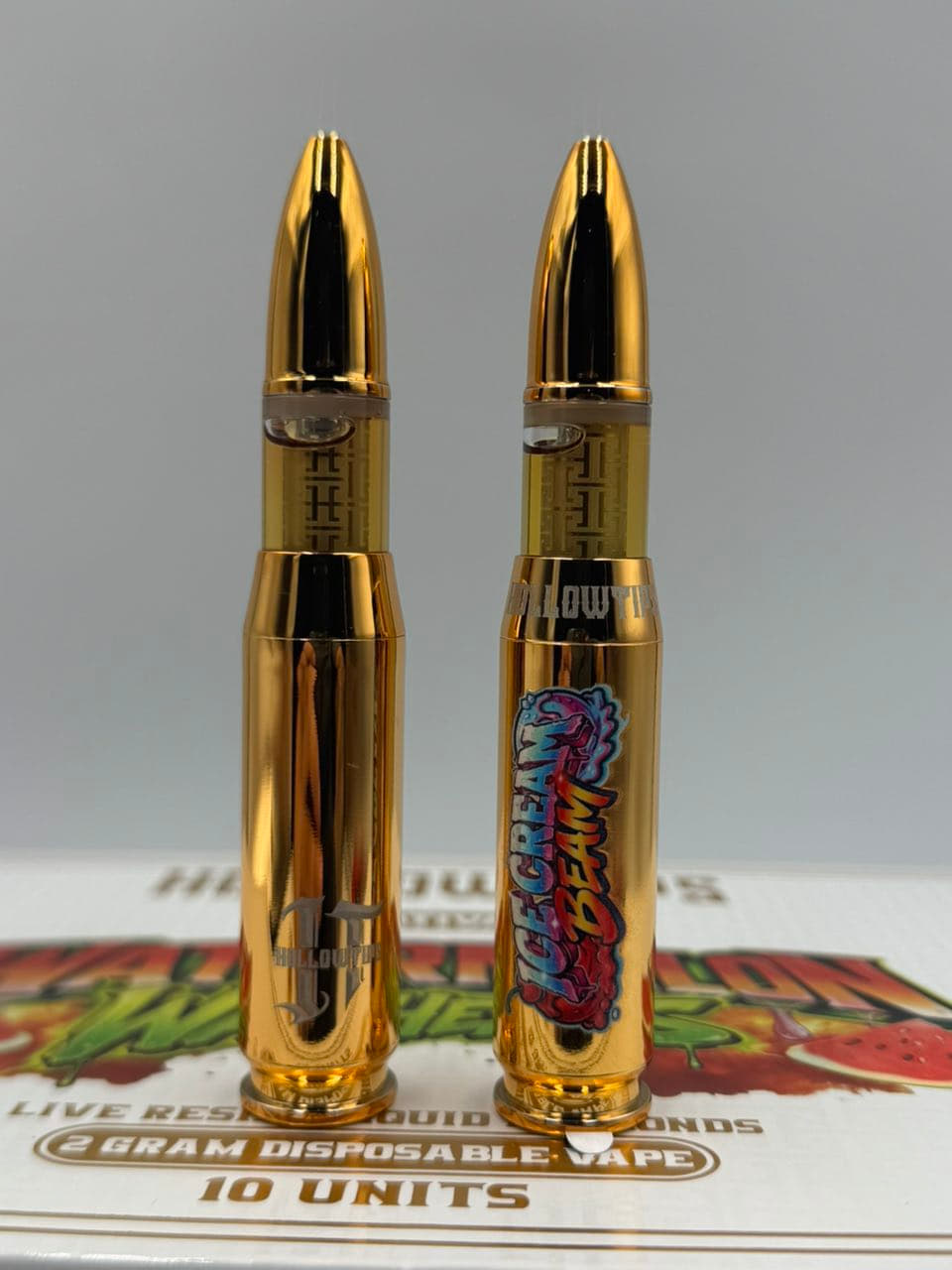
The Hollowtips V2 2G Disposable is a product name associated with a portable, single-use vaporiser format. The V2 designation identifies a particular version within a product line, while the 2G label refers to the stated two-gram capacity. Product names and capacity labels alone, however, do not establish the authenticity, composition, manufacturing quality, or performance of an individual unit.
Product identification is an important part of understanding any consumer item. Packaging details, manufacturer information, batch identifiers, and applicable regulatory disclosures provide a clearer picture of what a product represents. Moreover, accurate identification helps distinguish product variations, packaging editions, and similarly named items that may circulate through different marketplaces.
Product Naming and Version Details
The name Hollowtips V2 2G Disposable contains several identifying elements. Hollowtips represents the product name, V2 indicates a version designation, and 2G describes the advertised capacity. The word disposable refers to the general product format rather than a guarantee of its materials, components, or intended lifespan.
Nevertheless, product naming conventions can vary between sellers and manufacturers. Therefore, the name printed on a listing should be compared with the information provided on the actual packaging. Differences in spelling, logos, version labels, batch information, or printed disclosures may be relevant when verifying the identity of an item.
Packaging and Label Information
Packaging can contain important information about a consumer product, including its manufacturer or distributor, lot number, ingredient or contents disclosures, warnings, storage information, and other legally required details. These details may vary according to the product category and the jurisdiction in which it is distributed.
Clear, readable packaging is especially important when product identity or contents cannot be independently confirmed. A product description should distinguish verified labelling information from seller-provided claims and avoid presenting unconfirmed specifications as established facts.
Product Identification and Documentation
Reliable documentation supports transparent product identification. Relevant records may include packaging photographs, manufacturer documentation, batch information, and applicable testing or compliance records. These materials can help establish whether the information associated with a listing corresponds to the item being described.
The Hollowtips V2 name and stated capacity are identifiers, not independent evidence of quality or authenticity. As a result, any additional claims about contents, materials, manufacturing standards, or testing should be supported by documentation rather than assumptions.
Consumer Information
Consumer information should be clear, factual, and easy to understand. It should explain which details have been verified, which remain unconfirmed, and where the reader can find applicable product disclosures. In addition, information about legal restrictions, age requirements, health risks, and safe handling should reflect current official guidance in the relevant location.
Accurate documentation and transparent labelling remain essential when evaluating products whose composition or manufacturing details may not be independently available.
Understanding the Hollowtips V2 Product Name
Product names often combine brand identity, model designation, and capacity information into a single label. The Hollowtips V2 2G Disposable name follows that general naming pattern, with each part serving as an identifier rather than a complete description of the product’s composition or manufacturing details.
The Hollowtips name is the primary identifier associated with the listing. The V2 designation indicates a version label, which may distinguish one product presentation from another. Meanwhile, the 2G reference describes the advertised capacity. Although these naming elements can make product listings easier to recognise, they do not independently verify the item’s authenticity or specifications.
Clear product identification matters when multiple listings use similar names. For instance, a marketplace may contain different packaging styles, older versions, newer labels, or products whose names resemble one another. Consequently, comparing the complete label and available documentation is more reliable than relying on a title alone.
Version Designation and Product Classification
Version labels are commonly used to distinguish products within a series. A designation such as V2 may represent a revised version, a different presentation, or simply a naming convention adopted by a seller. However, the precise meaning of a version number depends on verified manufacturer information.
Without official documentation, it would be inaccurate to assume that V2 necessarily contains improved materials, a redesigned internal system, updated technology, or a different manufacturing process. Those distinctions require evidence from a reliable source.
Product classification also helps establish which information belongs in a listing. A disposable-format product, for example, may have labelling requirements that differ from those of rechargeable consumer electronics or refillable items. In addition, classifications may influence required warnings, age restrictions, packaging rules, and disposal guidance.
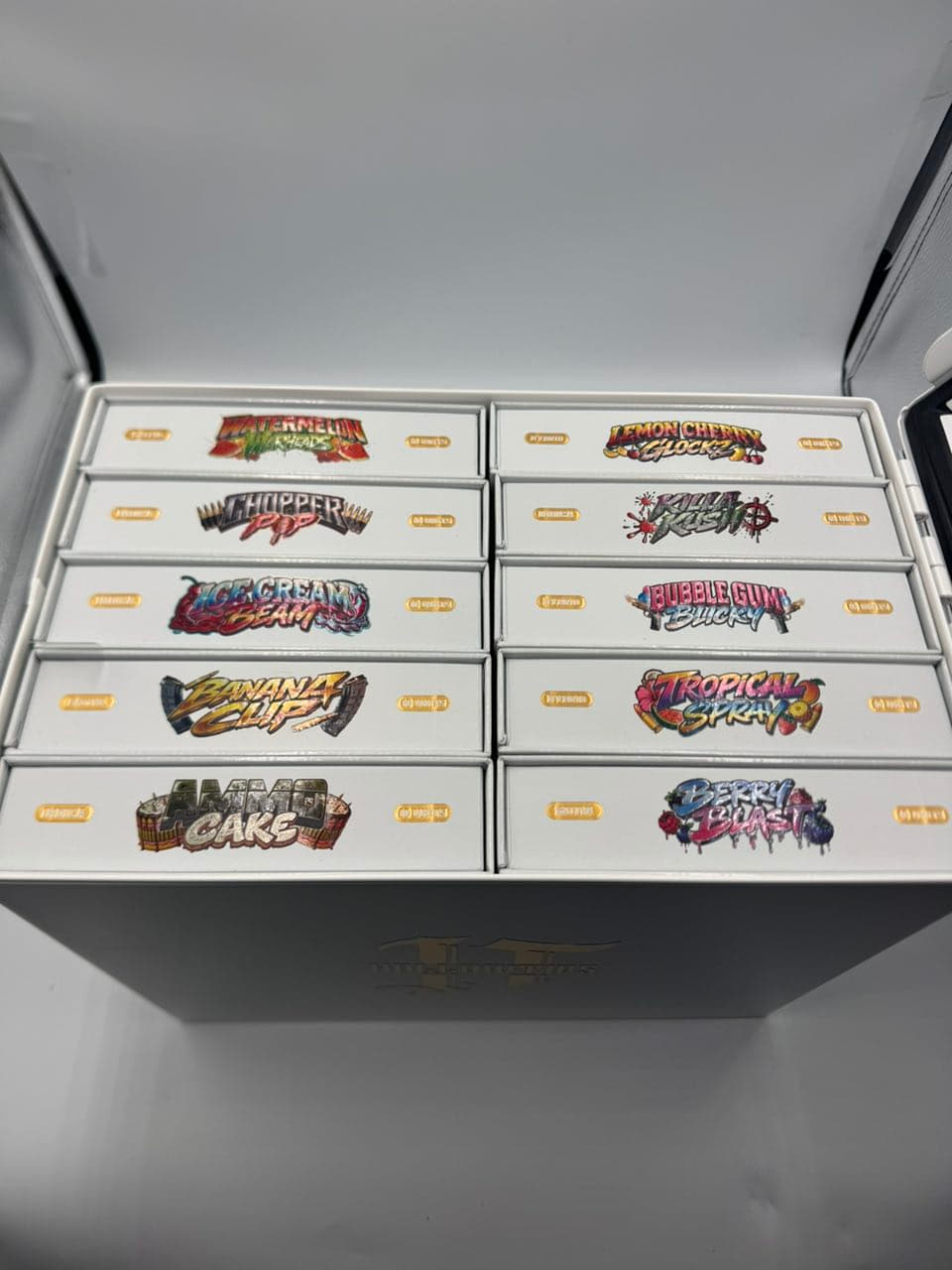
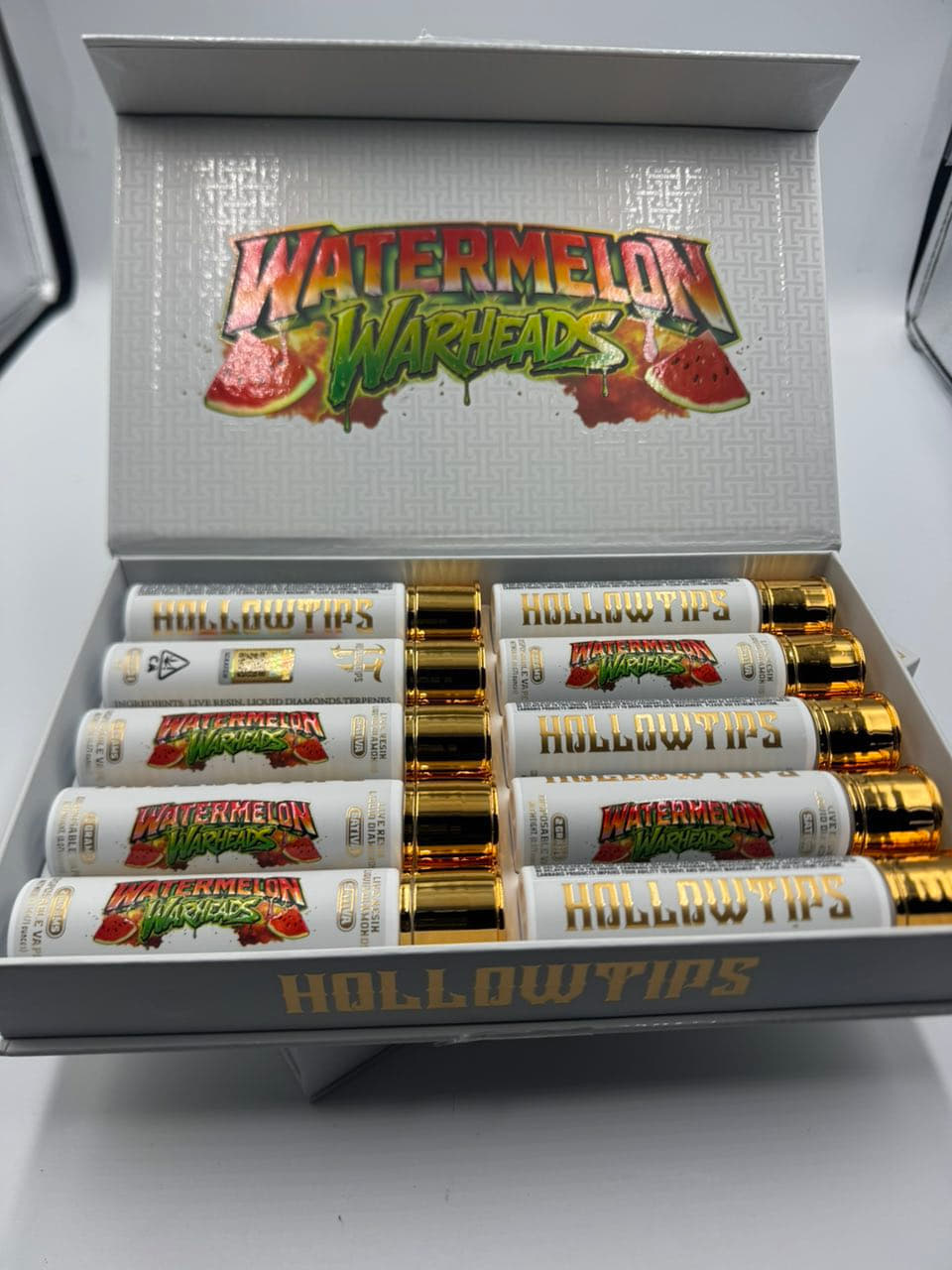
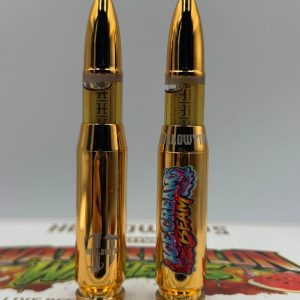
Packaging is one of the first visible elements used to identify an item. Its printed text, product name, logo placement, colour arrangement, batch markings, and other identifying details can help distinguish one listing from another. Nevertheless, appearance alone is not sufficient proof of authenticity.
Packaging may change over time for reasons such as branding updates, regulatory requirements, printing revisions, or distribution differences. Therefore, two packages may look different without necessarily representing different formulations or product contents. Conversely, similar-looking packaging does not establish that two products came from the same manufacturer.
A careful product-information page should describe only visible or documented characteristics. If a particular packaging feature has not been confirmed, it should not be presented as an official product detail.
Label Information and Consumer Transparency
Product labels serve an important informational purpose. Depending on the applicable rules and product classification, they may contain the product name, manufacturer details, contents information, warnings, lot identification, and other relevant disclosures.
The information on a label should be readable and consistent with the documentation associated with the product. Any discrepancy between the listing and the physical packaging deserves attention, particularly when important information about contents, manufacturer identity, or applicable warnings is missing.
Moreover, a product page should distinguish between information printed on packaging and information independently verified through documentation. This distinction helps readers understand the limits of available information without mistaking a seller’s description for independent confirmation.
Product Documentation and Verification
Documentation can help clarify what a product is and which specifications have been confirmed. Records may include manufacturing information, applicable testing documents, packaging disclosures, and identification details associated with a particular batch.
However, documentation should be relevant to the specific product being discussed. A general certificate or an unrelated document does not automatically verify every item sharing a similar name. The product identifier, date, batch details, and scope of the document may all matter.
For that reason, the Hollowtips V2 2G Disposable should be described using verifiable information rather than assumptions based on its name, appearance, or capacity label.
Understanding Product Components
Consumer products that combine multiple materials and components require accurate descriptions of their construction. Each component serves a particular function within the overall product, and its characteristics may depend on the manufacturer, production standards, and specific model version.
The Hollowtips V2 2G Disposable is identified by its product name and disposable format. However, its precise internal construction, material composition, component specifications, and manufacturing details cannot be reliably established from the name alone. Those details require manufacturer documentation or other credible verification.
Clear product information is particularly important when an item contains electronic components, materials that contact its contents, or parts that may be affected by heat. In these situations, general descriptions should not be substituted for verified engineering or safety information.
Materials and Construction Information
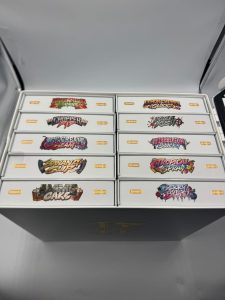
Materials influence the appearance, durability, weight, and overall construction of consumer products. Different materials may also have different environmental, handling, and disposal considerations.
Although product listings sometimes describe materials in broad terms, those descriptions should be supported by reliable documentation. For example, a housing material, internal container, seal, or electronic component should not be assigned a particular composition without confirmation.
Material transparency is useful for several reasons. First, it helps readers understand what the product contains. Second, it allows product information to be compared more accurately. Finally, it reduces uncertainty associated with unsupported claims about manufacturing quality or durability.
Electronic Components and Technical Identification
Electronic consumer products may contain circuits, connections, sensors, power-related components, or other technical elements. The exact arrangement depends on the design and product category.
The V2 designation alone does not confirm which electronic components are present in the Hollowtips product. Similarly, a listing title does not establish the existence of particular technical features, protective mechanisms, charging systems, or display elements.
Technical information should therefore be based on documentation specific to the model. Where specifications are unavailable, the most accurate description is that the component details remain unverified.
Specifications and Their Importance
Product specifications help establish a consistent reference for identification and documentation. They can include dimensions, weight, material information, capacity, manufacturing details, and other characteristics relevant to the product.
Specifications also serve an important role in consumer transparency. A clearly presented specification list allows readers to identify which information is confirmed and which details are missing. In addition, standardized descriptions can reduce confusion between products with similar names or different model designations.
For the Hollowtips V2 2G Disposable, the available name provides limited identifying information. The stated two-gram capacity is part of the product designation, but it does not independently verify the actual contents, composition, quantity, or quality of an individual item.
Product Quality and Documentation
Quality cannot be established through branding or presentation alone. A complete assessment may depend on manufacturing documentation, appropriate testing, quality-control records, packaging integrity, and compliance with applicable requirements.
Product documentation should correspond to the specific model and, where relevant, the particular batch. General claims about quality, consistency, purity, or manufacturing standards should not be treated as confirmed unless credible supporting evidence is available.
Transparent product descriptions are more useful when they avoid exaggerated claims. Rather than assuming that a product meets a particular standard, documentation should identify the standard and provide evidence that it applies.
Why Accurate Specifications Matter
Accurate specifications reduce uncertainty and improve the reliability of product information. When a listing provides clear identification details, readers can distinguish documented facts from assumptions. This becomes especially important when products are sold through online marketplaces where descriptions may vary considerably.
Missing specifications do not automatically indicate that a product is defective or unsafe. Nevertheless, they limit the amount of information that can be confidently established. Readers should be able to recognize those limitations before relying on a product description.
Product transparency involves presenting available information honestly and acknowledging when details are unavailable. It also involves avoiding unsupported statements about performance, materials, manufacturing, or quality.
A reliable information page should not make readers believe that unverified specifications have been independently confirmed. Instead, it should provide a clear distinction between the product’s stated identity and the technical information that remains unknown.
This approach creates a more informative record of the Hollowtips V2 2G Disposable and offers a consistent basis for reviewing its labeling, documentation, and product identity.
The Importance of Product Labeling
Product labeling provides a connection between an item and the information associated with its identity, contents, manufacturer, and distribution. It also helps distinguish one product from another when similar names, packaging designs, or model descriptions appear across different marketplaces.
For the Hollowtips V2 2G Disposable, labeling is particularly relevant because the product name alone offers only limited identifying information. A complete review of its packaging may reveal additional details, although those details should not automatically be treated as independently verified.
Clear labeling supports transparency by making product information easier to understand. Furthermore, readable disclosures allow consumers to recognize important distinctions between a product’s advertised identity and the details that have actually been documented.
Batch or lot identifiers are commonly used to connect products with manufacturing or distribution records. These identifiers may help establish when a particular batch was produced, which records correspond to it, and whether additional information is available from the manufacturer or distributor.
A batch number is not necessarily proof of authenticity. Rather, it is one piece of identifying information that may be useful when compared against reliable records. Its significance depends on whether the identifier is legitimate, traceable, and associated with the product in question.
When product identification is uncertain, the presence of a printed code should not be considered sufficient evidence on its own. The accuracy of the associated documentation and the source of that information also matter.
Manufacturer and Distributor Information
Manufacturer and distributor details can help clarify where a product originated and which organization is responsible for the information presented on its packaging. Depending on the product category and applicable laws, labels may identify a manufacturer, responsible business, distributor, importer, or other relevant entity.
However, a company name printed on packaging does not automatically confirm that the product was manufactured by that company. Reliable verification may require supporting records or confirmation from an official source.
The distinction between a manufacturer and a distributor is also important. A distributor may handle the product’s commercial availability without being responsible for its original production. Accurate descriptions should preserve this distinction instead of assigning responsibilities incorrectly.
Product Documentation
Documentation may provide information that cannot be established through appearance alone. Depending on the product and jurisdiction, records may include identification details, manufacturing documentation, ingredient disclosures, compliance information, or other applicable records.
The usefulness of documentation depends on its relevance and accuracy. A document should correspond to the specific product being described rather than simply reference a similar name. Additionally, the date and scope of a document may affect how well it applies to a particular item.
Product descriptions should therefore avoid presenting the existence of documentation as confirmed when no records have been reviewed.
Record Accuracy and Information Consistency
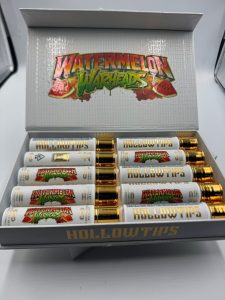
Accurate product records help maintain consistency across product titles, packaging, descriptions, and supporting documentation. When these sources disagree, the differences should be acknowledged rather than concealed.
For example, a product title may contain a version designation that differs from a printed label. A capacity statement may appear in an online listing but not on the physical packaging. Such differences do not establish a particular conclusion by themselves, but they may indicate that additional verification is necessary.
Consistent records also make it easier to identify outdated information. As product names, packaging, and regulatory requirements change, older descriptions may no longer accurately represent the item currently being referenced.
Labeling and Consumer Awareness
Labels may contain information that is essential to understanding a product’s intended classification, potential hazards, restrictions, and handling considerations. This information should remain visible and readable rather than being omitted from product documentation.
Warnings and disclosures should be presented in a straightforward manner. Their purpose is to communicate relevant information, not to make the product appear more appealing or to minimize important risks.
For products subject to age restrictions or other legal requirements, the applicable information should reflect the laws and regulations of the relevant jurisdiction.
Reliable product information requires more than a detailed description. It depends on accurate records, consistent terminology, appropriate disclosures, and a clear explanation of what has or has not been confirmed.
For the Hollowtips V2 2G Disposable, the most useful approach is to maintain a distinction between the advertised product name, the details visible on its packaging, and the specifications supported by documentation. This distinction helps reduce confusion and prevents assumptions from being presented as facts.
Ultimately, labeling and documentation form an important part of product identity. They provide a reference for evaluating information, recognizing inconsistencies, and understanding the limitations of a product listing.
Reviews
There are no reviews yet.