

Product Overview
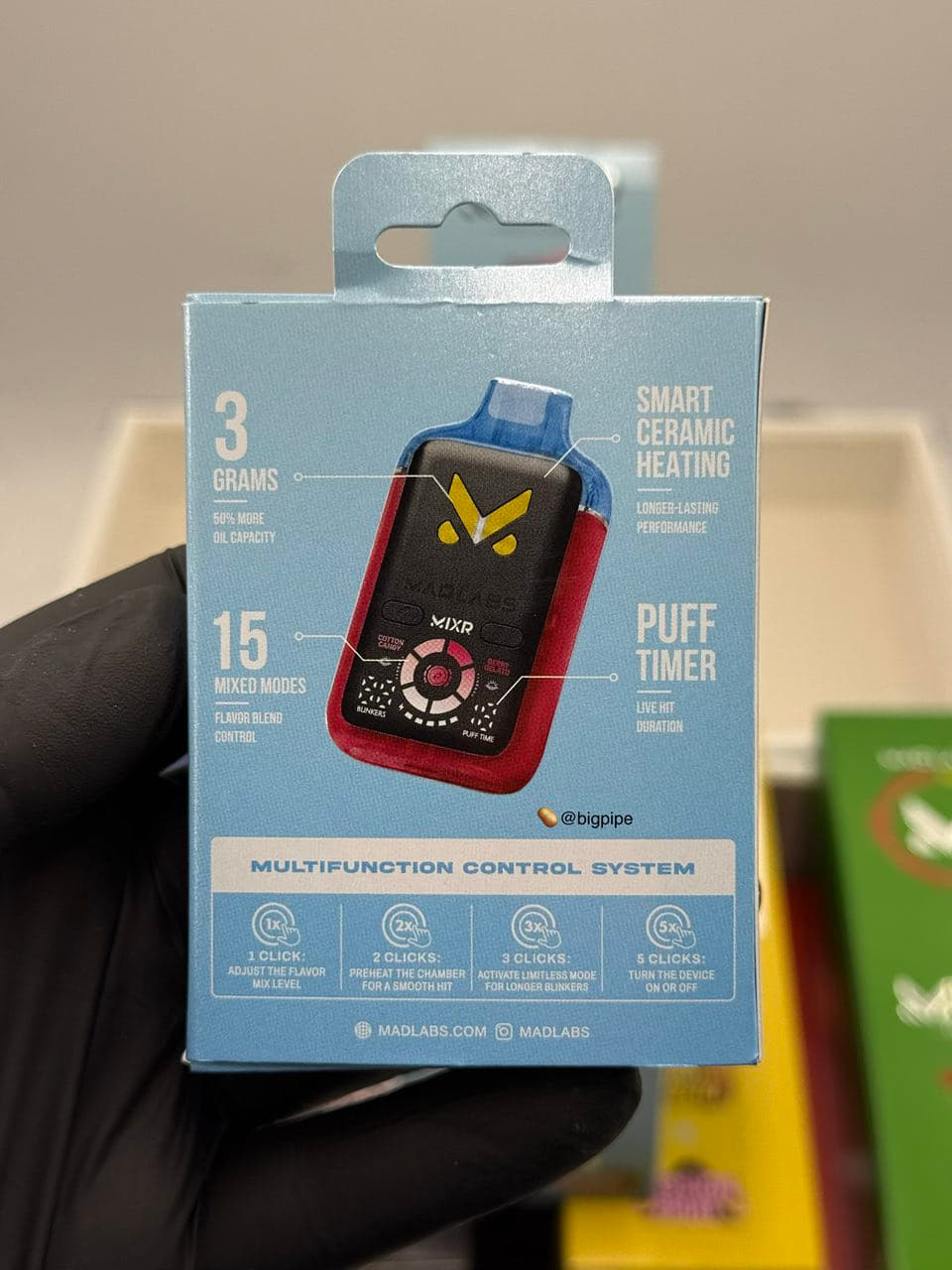
The Mad Labs Dual 3G Disposable is a product identified by its dual-format design and 3-gram designation. Its name places emphasis on two defining elements: a dual configuration and a stated product capacity. These details provide a starting point for understanding how the product is presented within the disposable-device category.
Product information is important because consumers need clear descriptions of device configurations, stated quantities, manufacturing details, and applicable safety information. Therefore, an accurate listing should distinguish verified specifications from assumptions.
Understanding the Dual Configuration

The term “dual” indicates a two-part configuration, although the precise meaning should be confirmed through the manufacturer’s documentation. Depending on the verified model specifications, this terminology may refer to separate chambers or another dual-component arrangement.
Consequently, the exact configuration should be explained using manufacturer-confirmed information rather than assumptions based solely on the product name.
Understanding the 3G Designation
The 3G designation refers to the stated quantity associated with the product. However, the exact measurement, formulation, and contents should be confirmed using the original packaging and applicable documentation.
Clear quantity information helps prevent confusion between product capacity, device dimensions, and other technical specifications.
Packaging and Product Identification
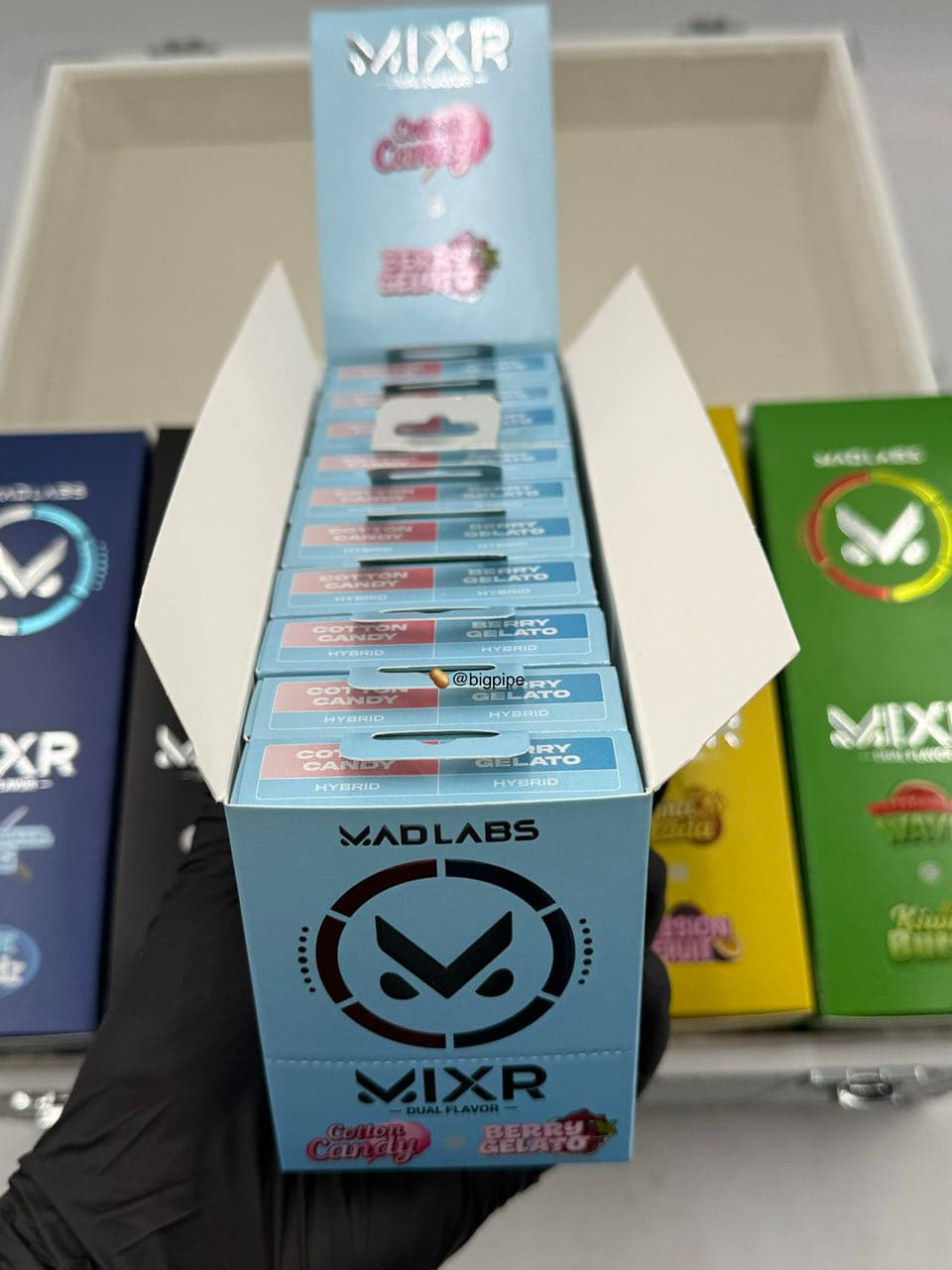
Packaging provides important information about product identity, stated contents, manufacturer details, batch identification, and applicable warnings.
Additionally, authentic product documentation should make it possible to distinguish verified manufacturing information from unsupported descriptions. Any uncertainty surrounding product identity or composition should be resolved through reliable documentation.
Responsible Product Information
Accurate product descriptions should prioritise transparency, traceability, and consumer safety. In particular, applicable age restrictions, local laws, product warnings, and independent testing information should be clearly documented.
The Mad Labs Dual 3G Disposable should be described using accurate, verifiable specifications. Clear product identification, transparent documentation, and responsible safety information provide a reliable foundation for an informative product listing.
Product Design and Configuration Details
Understanding a disposable device involves more than recognising its product name. Its physical construction, component arrangement, external finish, and technical specifications all contribute to its overall identity.
For the Mad Labs Dual 3G Disposable, the dual designation deserves particular attention. However, the exact engineering behind this configuration should be established through manufacturer documentation. This distinction matters because product names do not always explain the internal arrangement of a device.
External Appearance and Identification
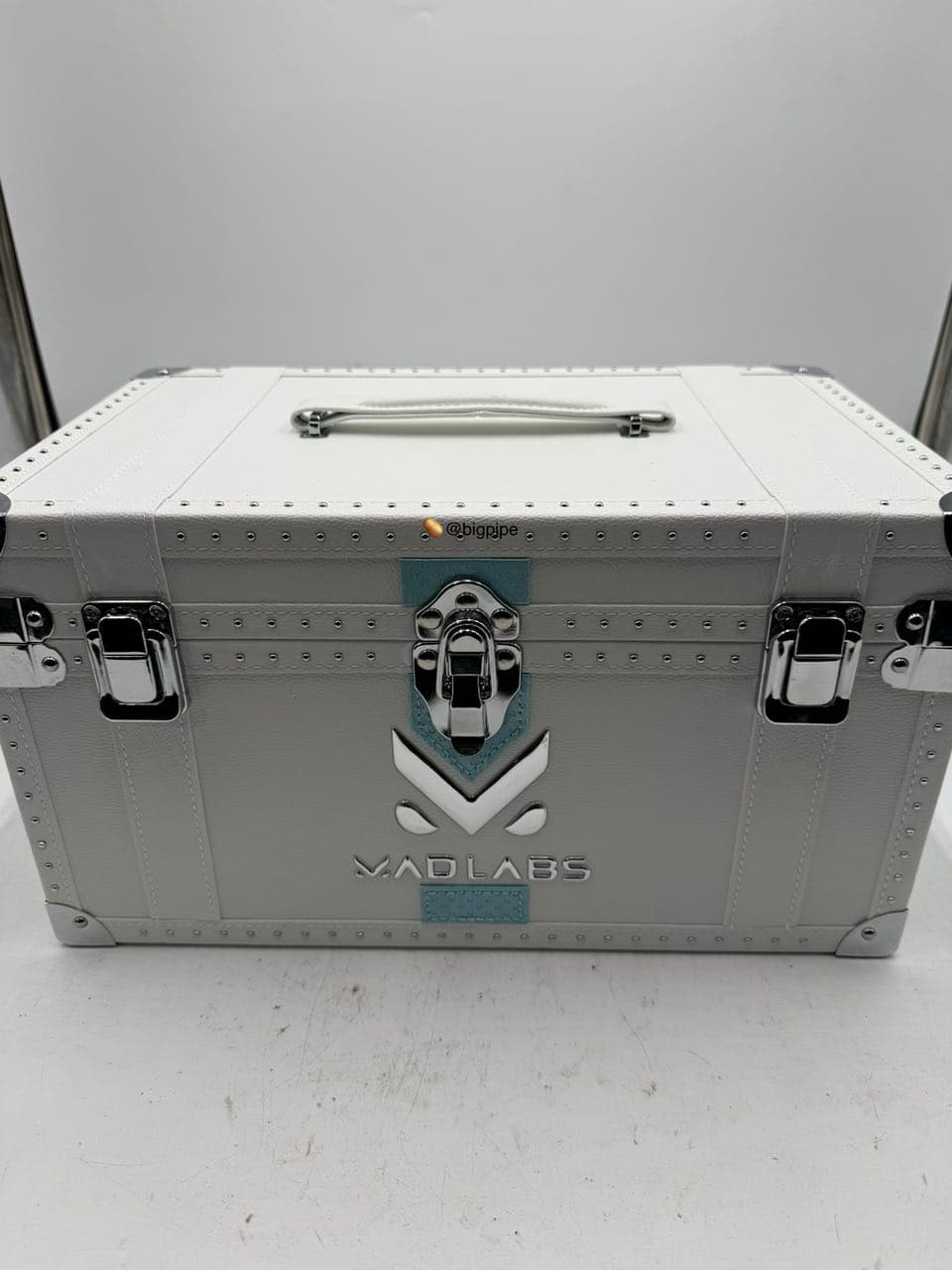
External product identification generally includes the printed brand name, model designation, packaging details, and manufacturing information. These elements help distinguish one product version from another.
Furthermore, consistent identification information makes inventory management and product documentation easier. Retail product records should therefore match the details printed on the original packaging.
Understanding Technical Components
Disposable electronic devices can contain several interconnected components. Depending on the model, these may include an outer housing, electronic circuitry, a power source, an indicator system, and other internal components.
Nevertheless, the presence and arrangement of these components should not be assumed without verified specifications.
Manufacturing and Quality Documentation
Manufacturing documentation provides useful information about product consistency and traceability. In particular, batch identification, production records, material declarations, and quality-control documentation help establish the background of a particular product.
Additionally, independent testing can provide information about the contents of applicable products. Such documentation should identify the tested batch and the laboratory responsible for the analysis.
Product Authenticity and Verification
Product authenticity is an important consideration when evaluating branded electronic products. Packaging appearance alone cannot establish authenticity because visual similarities do not necessarily demonstrate legitimate manufacturing or distribution.
Moreover, discrepancies between packaging information and manufacturer records should be treated carefully.
Storage and Product Handling Information
Storage information should come from the manufacturer because different products can have different environmental requirements.
Temperature exposure, moisture, damaged packaging, and inappropriate storage conditions can affect certain electronic components and packaged materials.
Therefore, product documentation should clearly explain the applicable storage conditions, handling precautions, and disposal requirements.
Environmental Considerations
Disposable electronic products also raise environmental considerations. Their construction may involve electronic components, batteries, plastics, and other materials that require appropriate waste management.
Consequently, ordinary household waste disposal may not be suitable for every component.
Battery-containing devices should be handled according to local electronic-waste requirements. Furthermore, applicable recycling programmes can help reduce unnecessary environmental impact.
Product Transparency and Consumer Awareness
Transparent product information allows readers to distinguish confirmed specifications from marketing terminology.
For example, the words dual and 3G should be explained through verifiable technical information. Similarly, any statements about ingredients, manufacturing standards, or laboratory testing should be supported by appropriate documentation.
This approach creates a more informative product record and reduces the possibility of misleading descriptions.
Laboratory documentation can provide independently assessed information about tested materials or contents, depending on the scope of the report.
The Mad Labs Dual 3G Disposable is best documented through accurate identification, verified technical specifications, transparent manufacturing information, and appropriate safety guidance.
Ultimately, a useful product-information page should prioritise clarity over unsupported claims. Detailed documentation, consistent labelling, and responsible environmental information provide readers with a more complete understanding of the product and its classification.
Understanding Product Variations
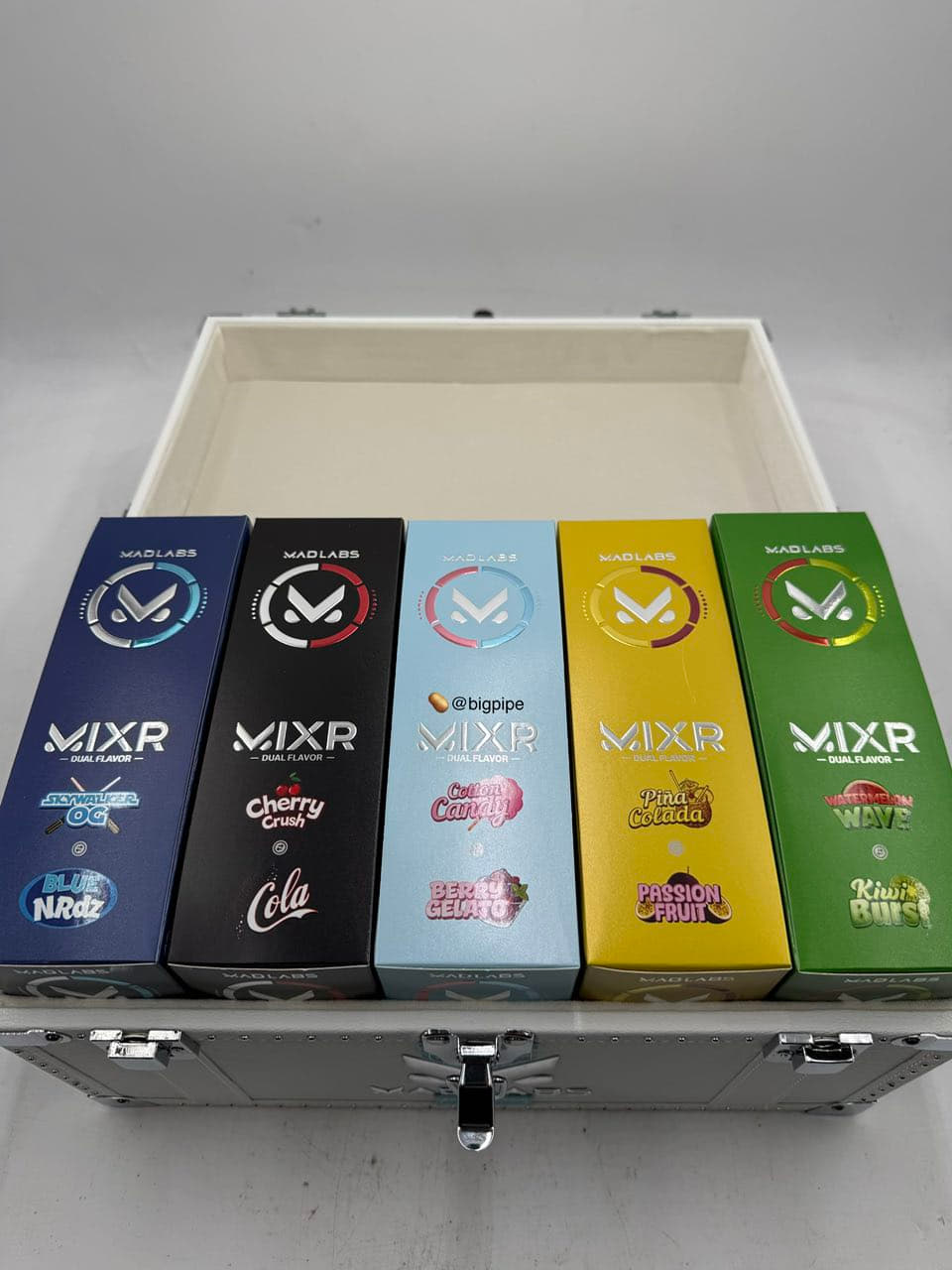
Products within the same category may have different model numbers, configurations, packaging designs, and technical characteristics. Therefore, identifying the exact Mad Labs Dual 3G Disposable version is important when preparing accurate product records.
Product variations should be documented separately rather than grouped under a single description. This helps maintain consistency across product catalogues and reduces confusion when different versions share similar names.
Model Identification
Model identification provides a reference point for distinguishing individual product versions. A complete identification record may include the model name, batch reference, packaging information, and manufacturer details.
Additionally, photographs of original packaging can support internal inventory records when they accurately represent the documented item.
Differences Between Product Names and Specifications
A product name is not a substitute for a technical specification sheet. For instance, numerical designations may communicate a particular product category or stated quantity, but their precise meaning requires manufacturer confirmation.
Likewise, the word dual should not automatically be interpreted as evidence of a specific internal mechanism.
Electronic Device Safety Information
Electronic devices containing rechargeable or non-rechargeable batteries require appropriate safety consideration. Damaged housings, exposed electrical components, unusual heating, or battery swelling can indicate potential hazards.
In such circumstances, the affected device should not be used or charged. Manufacturer safety guidance and applicable electronic-waste procedures should determine the appropriate next steps.
Regulatory and Legal Considerations
Regulations governing disposable electronic devices and products containing controlled substances differ considerably between jurisdictions.
Consequently, product availability, labelling requirements, age restrictions, importation rules, and distribution permissions must be evaluated according to the relevant local legislation.
A product listing should never imply that a product is legally available everywhere simply because it appears in an online catalogue.
The Importance of Accurate Product Photography
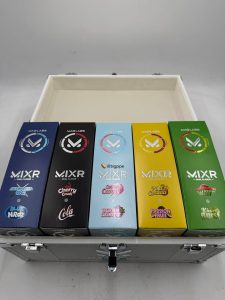
Product photography can support identification and documentation when images accurately represent the actual item.
A useful product image collection may include the external packaging, visible model identification, manufacturer labelling, and relevant safety information.
However, images should not be digitally altered to suggest certifications, specifications, or product features that have not been verified.
The Mad Labs Dual 3G Disposable deserves a product record that separates its identifiable characteristics from technical details requiring further confirmation.
Clear descriptions, reliable documentation, accurate labelling, and responsible handling of information form the foundation of a trustworthy product-information page.
By maintaining these standards, product catalogues can communicate more effectively while avoiding exaggerated specifications and misleading statements.
Product Traceability and Record Management
Traceability is an important part of responsible product documentation. It establishes a connection between product identification, manufacturing information, packaging records, and distribution history.
For the Mad Labs Dual 3G Disposable, traceability information should be collected from reliable product documentation rather than inferred from the model name.
Batch Identification
Batch identification helps distinguish one production group from another. This information can become particularly important when investigating packaging discrepancies, manufacturing concerns, or product-quality complaints.
A properly maintained record should contain the batch reference exactly as it appears on the original packaging.
Distribution Records
Distribution records provide information about the movement of products through different stages of the supply chain.
Furthermore, maintaining accurate records can help businesses identify discrepancies and establish whether the documentation accompanying a particular product is complete.
Packaging Information and Label Accuracy
Packaging is an important source of product identification. It can contain the manufacturer’s name, model designation, quantity information, warnings, and other relevant details.
However, not every package contains the same information. Labeling requirements may also differ depending on the product category and jurisdiction.
Importance of Clear Labeling
Clear labeling reduces confusion between similar product versions. It also allows product information to be compared against supporting documentation.
Additionally, labels should remain readable and consistent with the information maintained in the corresponding inventory record.
Avoiding Misleading Product Claims
Product descriptions should not include unsupported statements about manufacturing quality, testing results, ingredients, or performance.
For example, terms such as laboratory verified, premium quality, certified, and independently tested should only appear when appropriate evidence exists.
Common Documentation Errors
Several mistakes can reduce the reliability of product descriptions.
Confusing model terminology: Product names should not be treated as complete technical specifications.
Inventing product features: Internal components and operating characteristics require manufacturer confirmation.
Using unsupported testing claims: Testing statements should be accompanied by verifiable documentation.
Mixing product variations: Different model versions should have separate identification records.
Ignoring safety information: Applicable warnings and handling requirements should remain visible.
Product Information and Digital Catalog Organization
Digital catalogs benefit from consistent naming conventions and clearly separated product attributes.
For example, the product name, category, model reference, manufacturer, and documentation status can each occupy separate fields.
This arrangement improves catalog organization and makes future updates easier.
Furthermore, product descriptions should be reviewed whenever updated packaging or manufacturer documentation becomes available.
Long-Term Documentation Maintenance
Product information should not remain unchanged when reliable new information becomes available.
Periodic reviews can identify outdated specifications, incorrect manufacturer references, and missing safety documentation.
A structured review process may include checking product identification, comparing available records, correcting inaccurate descriptions, and updating relevant warnings.
The Mad Labs Dual 3G Disposable can be documented through a structured approach that emphasizes identification, traceability, packaging accuracy, and responsible product information.
Rather than relying on assumptions, an effective product record separates confirmed details from information that still requires verification.
Ultimately, accurate documentation supports clearer communication, better inventory management, and more responsible product information practices.
Understanding Product Classification
Product classification provides a consistent way to organize items according to their general characteristics and intended category. For electronic disposable products, classification may involve the device format, power source, physical construction, and other verified characteristics.
The Mad Labs Dual 3G Disposable should be classified using reliable manufacturer information. This helps distinguish it from similarly named products and other disposable electronic devices.
Classification Within Digital Product Catalogs
Digital product catalogs often use several classification levels. These may include a main product category, a specific model designation, and additional identification details.
This structure creates a more organized catalog and helps prevent information from being assigned to the wrong product.
Product Information Consistency
Consistency is essential when product information appears across different pages, inventory systems, and business records.
The product name should remain identical wherever the same item is referenced. Likewise, model information and packaging details should match the supporting documentation.
Furthermore, consistent terminology makes product comparisons more meaningful and reduces unnecessary confusion.
Maintaining Accurate Descriptions
A reliable description should distinguish between confirmed specifications and general category information.
For instance, the dual designation should be retained as part of the product identity without assigning an unverified meaning to its internal construction.
Similarly, the 3G designation should be presented as a stated product identifier until its exact technical meaning has been confirmed.
Materials and Component Documentation
Electronic products can contain different materials and interconnected components. Their composition may vary according to the manufacturer, production process, and particular model.
For this reason, material declarations should come from official technical documentation.
Component Identification
Component identification helps establish which materials and electronic parts are associated with a particular model.
Where applicable, documentation may identify the battery type, external housing materials, electrical components, and other relevant construction details.
Additionally, accurate component records can assist with appropriate recycling and waste-management decisions.
Responsible Disposal and Environmental Awareness
Electronic waste management remains an important consideration for disposable devices.
Products containing batteries or electronic components may require specialized collection and recycling arrangements. Therefore, their disposal should follow applicable local requirements.
Reducing Electronic Waste
Responsible waste management involves separating electronic products from ordinary household waste where required.
Furthermore, local recycling facilities may provide information about accepted materials and collection procedures.
Product information pages can contribute to environmental awareness by explaining these considerations clearly.
Product Records and Business Accountability
Businesses maintaining product catalogs have a responsibility to ensure that published information is accurate and traceable.
This responsibility includes correcting outdated details, removing unsupported claims, and maintaining appropriate safety information.
A transparent documentation process also helps distinguish verified product information from assumptions or third-party descriptions.
The Mad Labs Dual 3G Disposable represents a specific product designation within the disposable-device category. Its dual configuration and 3G terminology provide identifying details, while its exact construction and technical characteristics require supporting documentation.
A complete product-information record should combine accurate identification, verified specifications, transparent labeling, responsible handling information, and appropriate environmental guidance.
These principles create a dependable foundation for maintaining clear and informative digital product records.
Product Identity and Brand Documentation

Brand identification is an important part of maintaining accurate digital product records. A recognizable product name helps distinguish one listing from another, while supporting documentation establishes the details associated with a particular model.
The Mad Labs Dual 3G Disposable should be identified consistently throughout its product documentation. This includes the title, model reference, packaging description, and applicable manufacturer information.
Maintaining Brand Consistency
Brand consistency involves using the same verified product name across different catalog sections. It also means avoiding unnecessary changes to model terminology that could create confusion.
Moreover, product records should distinguish between official brand information and descriptions supplied by third-party distributors.
Understanding Product Information Sources
Not all product information sources have the same reliability. Manufacturer specifications, official packaging, independent laboratory reports, and applicable regulatory documents can provide different types of information.
Each source should be evaluated according to the information it is intended to establish.
Manufacturer Specifications
Manufacturer specifications provide information about a product’s documented characteristics. They may include model identification, construction details, dimensions, electrical requirements, and applicable warnings.
Independent Documentation
Independent reports can provide additional information about particular materials or tested samples. However, the scope of each report matters, and results should not be generalized beyond the specific products or batches examined.
Digital Product Presentation
A well-organized digital product page should communicate essential information in a logical order.
The product title establishes identification, while the overview introduces its general classification. Subsequent sections can explain documented specifications, packaging details, safety information, and relevant limitations.
Furthermore, a consistent presentation makes information easier to locate and understand.
Readability and Information Structure
Short paragraphs, descriptive headings, and consistent terminology contribute to readability.
Technical information should also be explained in straightforward language without changing its original meaning.
For example, a numerical product designation should retain its documented meaning rather than being expanded into an unsupported technical claim.
Product Version Management
Product version management helps maintain accurate records when manufacturers introduce packaging changes, revised specifications, or different model configurations.
Each version should have its own identification details where necessary.
Additionally, older descriptions should be reviewed whenever new manufacturer information becomes available. This reduces the possibility of outdated specifications remaining in active product records.
Documentation Review and Accuracy
A useful documentation review examines the relationship between a product’s name, description, packaging, and supporting records.
These checks help maintain reliable product information over time.
Responsible Communication and Transparency
Responsible product communication involves presenting information without exaggeration. It also requires acknowledging when a technical detail has not been independently established.
This is particularly important when a product name contains numerical or descriptive terminology that could be interpreted in different ways.
Clear communication therefore remains more valuable than elaborate claims that cannot be substantiated.
Additional Frequently Asked Questions
Should different product versions share one description?
Only when their verified characteristics are sufficiently similar. Significant differences should be documented separately.
What makes a product description reliable?
Accuracy, consistent terminology, verifiable specifications, appropriate warnings, and transparent sourcing.
Why should outdated information be corrected?
Outdated information can create confusion and may misrepresent the characteristics of the current product version.
What role does packaging play in product identification?
Packaging provides visible identification details that can be compared with inventory records and manufacturer documentation.
Closing Perspective
The Mad Labs Dual 3G Disposable can be presented through a detailed and organized product-information structure. Brand identification, version management, technical documentation, and transparent communication all contribute to a more dependable record.
The central principle remains straightforward: every technical statement should be supported by appropriate evidence, while uncertain details should remain clearly identified as unverified.



Reviews
There are no reviews yet.