Product Overview
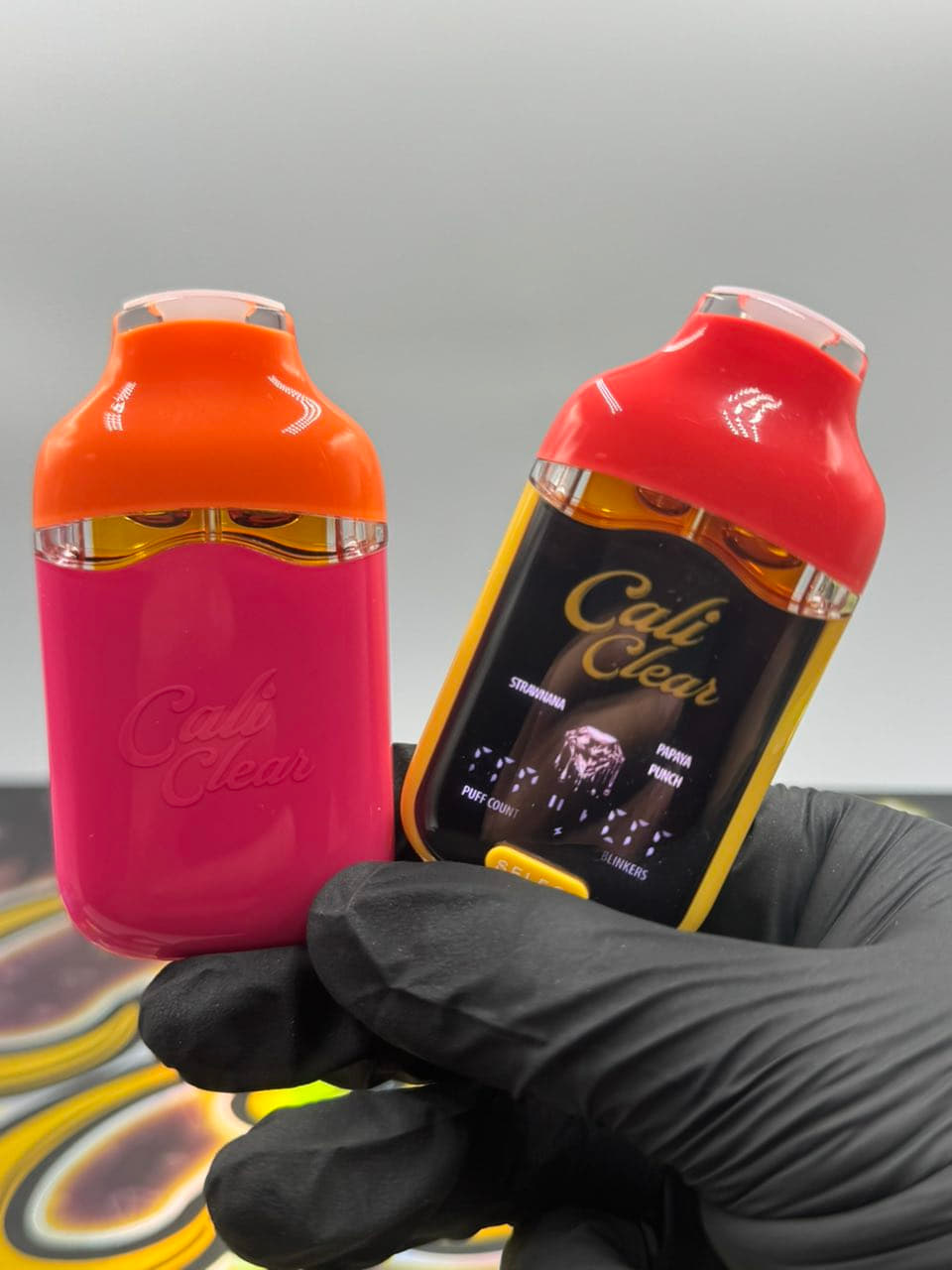
The Cali Clear Select Dual 2G Disposable is a product name associated with a dual-format disposable vaping device. Its name suggests a compact device category, a dual-system design, and a stated 2-gram capacity. However, product details, formulation information, hardware specifications, and package contents can vary depending on the particular version, manufacturer, and distribution source. For that reason, the product label remains the most reliable reference for confirming its exact characteristics.
Product identification is an important part of understanding any packaged vaping device. Packaging may contain information about the product designation, its stated capacity, manufacturing details, ingredients, warnings, and applicable restrictions. In addition, labelling can help distinguish one version from another when products share similar names or appearances. The Cali Clear Select Dual 2G Disposable name alone does not confirm every technical specification, so the information printed on the original packaging should be reviewed carefully.
The term “Dual” appears in the product name and may refer to a particular device configuration. Nevertheless, the precise meaning of this designation should be verified through manufacturer documentation rather than assumed. Similarly, the “2G” designation commonly refers to a stated two-gram quantity, but the actual contents and measurement should be confirmed through the package information and applicable product documentation.
Product Identity and Naming
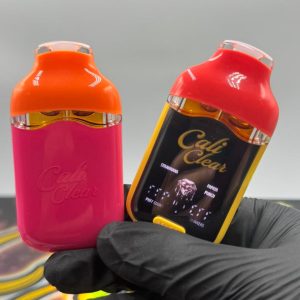
The Cali Clear Select Dual 2G Disposable name contains several identifying elements that separate it from other products within the disposable-device category. Cali Clear represents the product name, Select identifies a particular naming series, Dual distinguishes the named configuration, and 2G represents the stated capacity designation.
Product names often combine branding and descriptive terminology. Consequently, the name can provide an initial point of identification without serving as a complete technical specification. Variations in packaging, product generations, labelling, or regional availability may also affect how the product is presented.
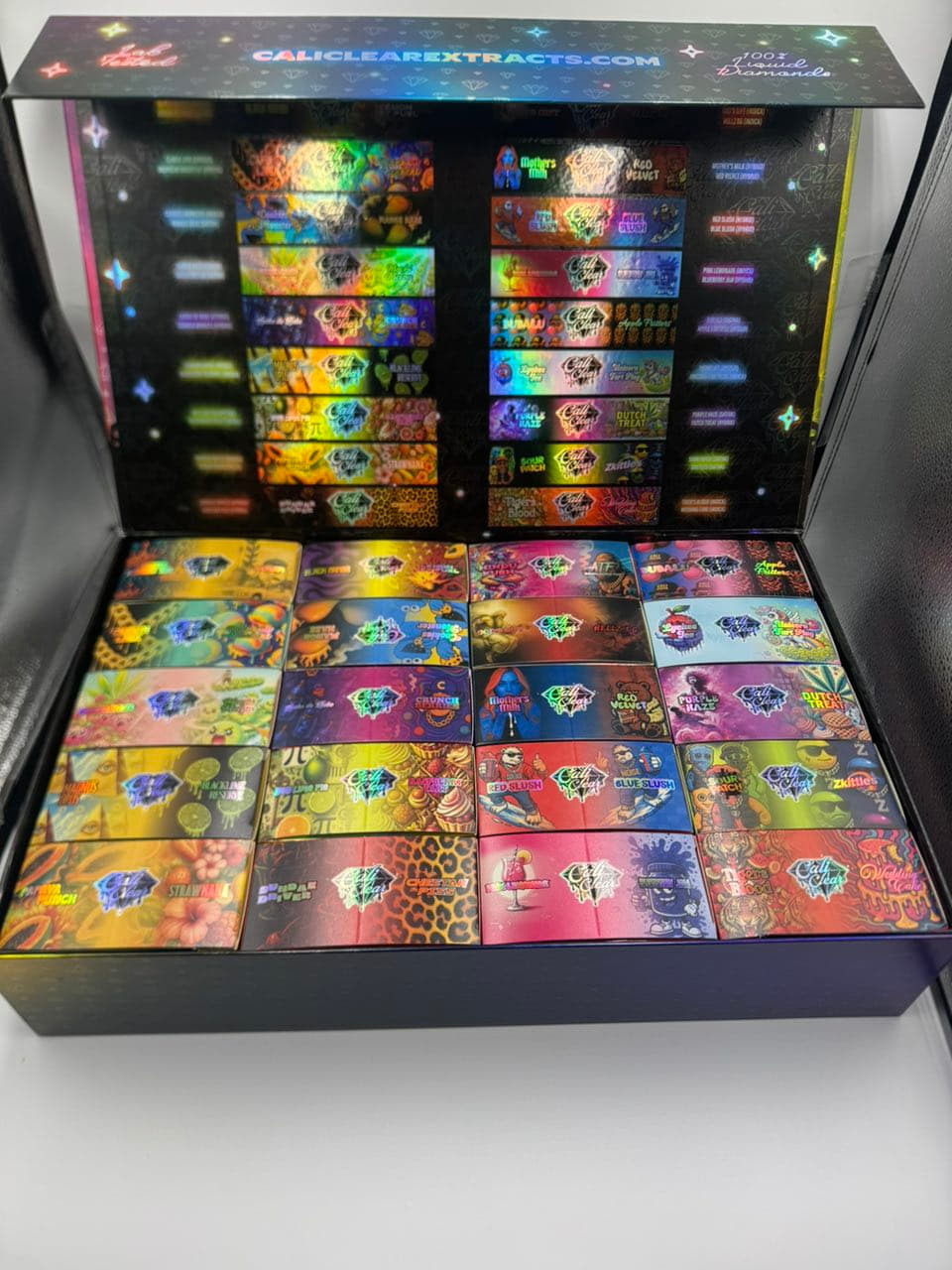
A clearly identified product makes it easier to distinguish the item from other similarly named devices. This is especially relevant when multiple versions are listed within the same product category. Differences in artwork, printed descriptions, package markings, or model references may indicate separate versions, even when the overall name appears similar.
The product’s identity should therefore be considered alongside its original packaging. Manufacturer information, batch identifiers, ingredient statements, and other printed details may provide additional context that cannot be established from the product name alone.
Understanding the Dual Designation
The word “dual” is an important part of the product’s listed identity. In disposable-device naming conventions, this terminology may describe a particular hardware arrangement or product configuration. However, naming conventions are not standardised across every manufacturer, meaning the designation should not automatically be interpreted as proof of a specific internal mechanism.
Technical differences between disposable devices can include the internal layout, electrical components, reservoir arrangement, exterior housing, and electronic controls. These characteristics are manufacturer-specific, and they should be confirmed through verified documentation before being described as features of a particular model.
The distinction between a product label and a verified specification is important. A label can identify a product version, while supporting documentation can explain how that version is constructed or what components it contains. When reliable technical information is unavailable, a neutral description avoids presenting assumptions as confirmed facts.
The 2G Capacity Label
The 2G designation is part of the product’s stated name and is generally used to communicate a two-gram quantity. Capacity terminology is frequently included in product names because it provides a recognisable category identifier. Even so, the designation should not be treated as independent verification of the product’s contents.
Packaging information can clarify the stated quantity, formulation, ingredients, and other relevant details. Depending on the product and applicable regulations, additional information may appear on a label or accompanying documentation. Differences between a product’s advertised name and its legally required labelling should be resolved by referring to the original manufacturer or authorised documentation.
A capacity designation also does not establish potency, composition, quality, purity, or expected effects. Those matters require separate, reliable information and cannot be determined from the number included in a product name.
Disposable Device Classification
Disposable vaping devices belong to a category of electronic products that combine a housing with internal electrical and fluid-related components. The specific components and their arrangement depend on the design and manufacturer. Certain devices may contain batteries, electronic circuitry, heating elements, and internal reservoirs, although the presence and configuration of these parts should be verified for the individual model.
Unlike reusable systems, disposable products are generally classified according to their intended limited-use format. Their construction, materials, and disposal requirements can differ between models. Therefore, the product category does not establish the exact internal construction of the Cali Clear Select Dual 2G Disposable.
Electronic disposable devices also raise considerations related to battery safety and waste management. Batteries and electronic components should not automatically be treated as ordinary household waste. Local disposal requirements may provide designated collection points for electronic waste and battery-containing products.
Packaging and Product Identification
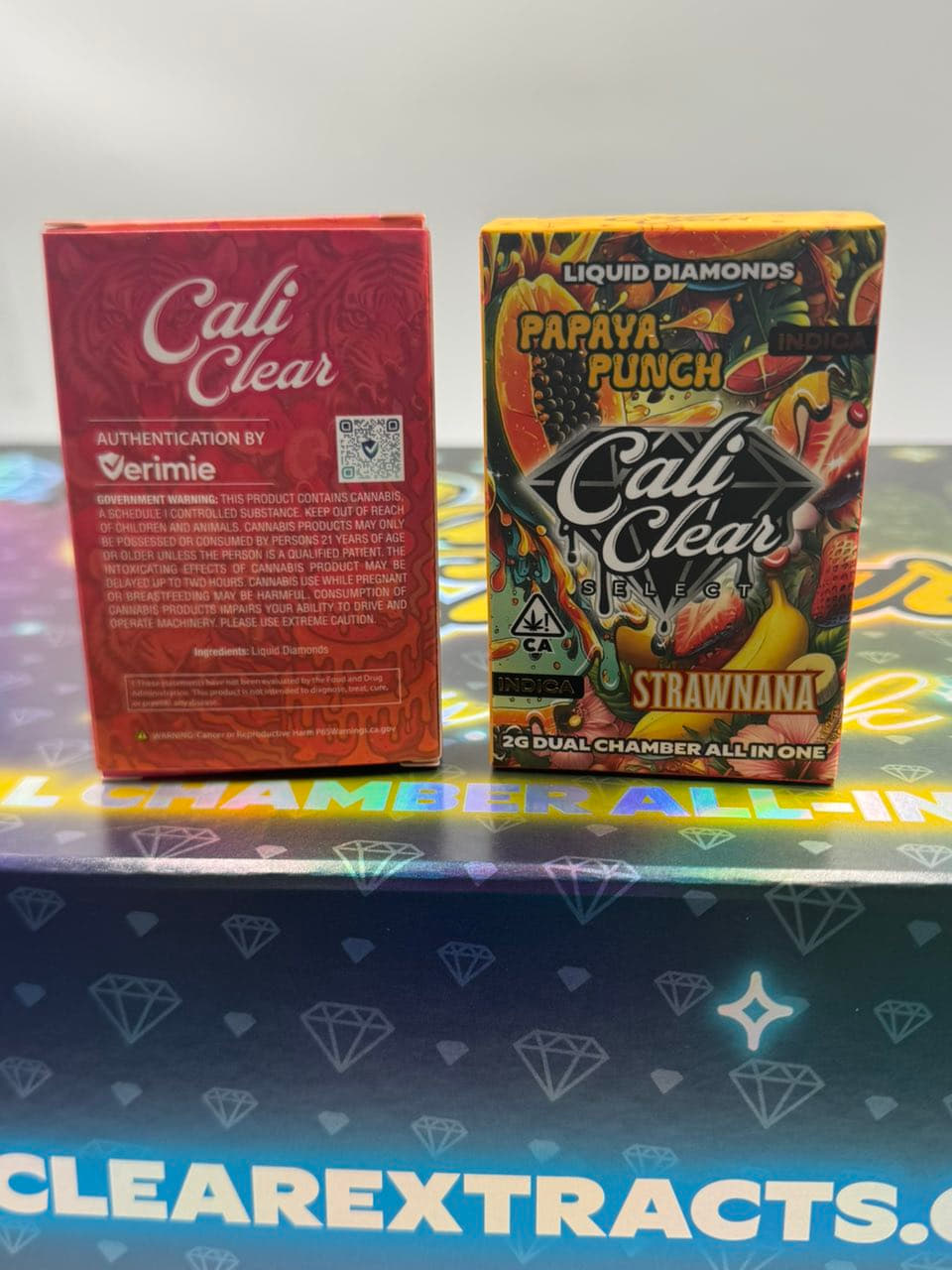
Packaging serves several purposes beyond displaying a product name. It may communicate the manufacturer’s identity, product classification, ingredients, quantity, warnings, batch information, and regulatory details. In some cases, packaging also contains instructions for storage, handling, or disposal.
Printed information should remain consistent with the actual product being identified. Product names, capacity labels, batch details, and manufacturer information can be useful when distinguishing between different versions. In addition, intact packaging may help preserve important information that would otherwise be unavailable after the package is discarded.
The appearance of packaging alone cannot establish authenticity. Visual similarities between packages may exist across different versions, and design elements can be reproduced. Verification should therefore rely on appropriate manufacturer information and credible documentation rather than appearance alone.
Product Information and Verification
Reliable product information should clearly separate confirmed details from descriptions that have not been independently verified. The product name establishes the listed identity, while specifications, ingredients, manufacturing information, and other technical details require supporting evidence.
These details can help create a clearer record of the item and reduce confusion between similarly named products. However, packaging information should not be interpreted as a substitute for independent quality testing or regulatory verification.
Responsible Information Standards
Accurate product descriptions should avoid unsupported statements about safety, purity, performance, or expected results. Product terminology can be useful for identification, but it does not independently establish that a product has been tested, approved, or verified.
A responsible information page should acknowledge uncertainty where documentation is unavailable. It should also avoid presenting subjective claims as measurable facts. Descriptions of appearance, packaging, category, and stated specifications should remain distinguishable from claims about composition or performance.
The Cali Clear Select Dual 2G Disposable can be identified by its listed name and category, while its specific technical details remain dependent on the product version and verified documentation. This distinction supports clearer product records and more accurate descriptions.
Packaging, Components, Materials & Technical Identification
1. Packaging as a Product Identification Reference
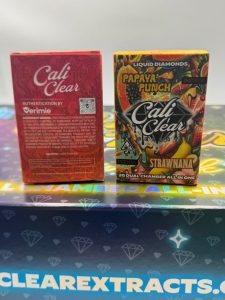
Packaging plays an important role in identifying the Cali Clear Select Dual 2G Disposable. It provides a reference point for the product name, category, stated quantity, and other information associated with the particular version. Although the exterior presentation may appear straightforward, the printed details can help distinguish one item from another within a category where names and designs sometimes overlap.
Product packaging can also preserve information that may not be visible on the device itself. Manufacturers and distributors sometimes include ingredient details, warnings, identification codes, and additional documentation. Consequently, the original package can be more informative than the exterior appearance of the device.
The printed product name should remain consistent with the device it identifies. When differences appear between the packaging and the product, those differences should be documented rather than overlooked. Such inconsistencies may require further verification because packaging errors, product variations, and incomplete information can make identification difficult.
2. Exterior Housing and Physical Structure
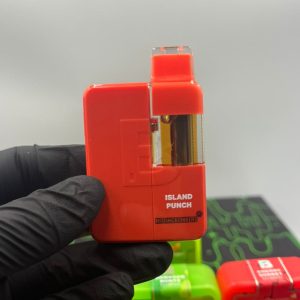
The exterior housing forms the visible structure of a disposable electronic device. It typically contains or surrounds internal components, helping maintain the product’s overall shape. The exact materials, dimensions, surface treatment, and internal layout depend on the manufacturer’s design.
A housing may be produced from different materials, including plastics or other engineered materials. However, the precise material used in the Cali Clear Select Dual 2G Disposable should not be assumed without a verified specification. Material descriptions can vary between product generations, even when the model name remains similar.
The exterior structure also contributes to product identification. Differences in shape, finish, markings, and printed details can distinguish separate versions. Nevertheless, appearance alone does not verify the contents, authenticity, or manufacturing quality of a device.
3. Internal Component Classification
Disposable electronic devices may contain several component categories, each serving a different technical purpose. Depending on the model, these categories can include electrical, structural, and fluid-related elements.
Electronic components may be responsible for managing electrical power or supporting other internal functions. Structural components may help maintain the housing and internal arrangement. Other parts may be associated with the containment of the product’s contents.
The component arrangement is manufacturer-specific. As a result, a general description of disposable devices cannot be used as a confirmed diagram of this particular product. Technical drawings, official specifications, or verified documentation are required to establish the exact internal layout.
This distinction is useful when product information is prepared for reference. It prevents general category characteristics from being mistaken for confirmed features of an individual model.
4. Electrical Components and Battery Information
Electronic disposable devices may contain an internal battery that supplies electrical energy to the device’s electronic system. Battery type, capacity, chemistry, and electrical characteristics can vary according to the design.
The battery specifications for the Cali Clear Select Dual 2G Disposable should be obtained from reliable manufacturer information. The product name does not establish its battery capacity, voltage, chemistry, charging capability, or other electrical characteristics.
Battery-related information is particularly relevant to the safe handling and disposal of electronic products. Damaged batteries can present hazards, and battery-containing devices may be subject to specific waste-management rules. Therefore, local guidance regarding electronic waste and battery collection is relevant when the device reaches the end of its service life.
A device’s exterior appearance does not provide a reliable basis for determining its electrical specifications. Product-specific documentation is needed for that purpose.
5. Reservoir and Containment Terminology
The reservoir is a general term used to describe a component intended to contain material within certain electronic devices. Its construction and location may differ across models. Depending on the design, containment components can be made from different materials and may have varying shapes or arrangements.
The word “Dual” in the Cali Clear Select Dual 2G Disposable name may indicate a product-specific configuration, but the precise meaning cannot be established through the name alone. It should not automatically be interpreted as confirmation of two separate reservoirs, two formulations, or any particular internal arrangement.
Clear technical descriptions distinguish between terminology appearing on the product label and details confirmed by documentation. This approach helps prevent inaccurate descriptions and provides a more reliable understanding of the product’s classification.
6. Materials and Manufacturing Considerations
Materials used in electronic disposable products can include polymers, metals, electronic substrates, and other specialized materials. The selection depends on the product’s design and manufacturing requirements. However, the presence of a material in one device does not establish that the same material is used in another device from the same category.
Manufacturing information can provide context regarding the housing, electronic assembly, component placement, and packaging. Yet, detailed manufacturing processes are not necessarily disclosed publicly. When this information is unavailable, it should not be replaced with assumptions.
Material identification is also relevant to waste management. Different components may require different treatment at disposal facilities, especially where batteries and electronic circuitry are involved. A single disposable device may therefore contain materials that are not appropriate for ordinary waste streams.
7. Product Labels and Printed Information
Labels provide a structured source of product identification. Depending on applicable requirements, the label may contain the product name, quantity, ingredient information, warnings, manufacturer details, and other identifiers.
For the Cali Clear Select Dual 2G Disposable, the complete printed label should be considered the primary reference for confirming its listed details. Information from third-party descriptions may be incomplete, outdated, or inconsistent with a particular version.
Product labels may also contain identifiers intended to distinguish batches or production records. Such identifiers can be useful when communicating with a manufacturer or distributor about a specific item. They should be preserved accurately whenever product documentation is being reviewed.
8. Batch and Lot Identification
A batch or lot number is an identifier that may connect a product to a particular production record. These numbers can help distinguish items produced during different manufacturing periods or under separate production conditions.
Batch identification does not, by itself, establish quality or authenticity. It is a reference that may be used alongside manufacturer records and other verification information. The availability and format of batch details depend on the manufacturer and applicable labeling practices.
When the product contains a batch identifier, it should be recorded exactly as printed. Small differences in letters, numbers, or symbols can affect the usefulness of the information when identifying a particular item.
9. Product Variations and Version Differences
Products sharing a similar name may differ in packaging, physical appearance, stated specifications, or other characteristics. These differences can arise from separate product versions, regional labeling requirements, packaging revisions, or changes in manufacturing.
The Cali Clear Select Dual 2G Disposable should therefore be identified according to its actual version rather than treated as identical to every product with a similar Cali Clear designation. The full name, packaging details, and available documentation may help establish which version is being described.
Version differences should be reported carefully. An observed difference does not automatically mean that a product is counterfeit, defective, or altered. Additional verification may be required to determine its significance.
10. Technical Terminology and Accuracy
Technical terms can make product information easier to understand when they are used consistently. However, terminology can also cause confusion when words are interpreted differently across manufacturers.
The term “disposable” describes a product category, but it does not explain every feature or component. Likewise, “dual” may be a model designation rather than a universally defined technical term. The stated “2G” quantity is also separate from electrical specifications, composition, or product testing.
Clear documentation separates these concepts. Product identity, stated quantity, electrical information, component materials, and ingredient information should each be presented as distinct categories.
11. Documentation and Information Reliability
Product documentation can vary in quality and completeness. Some descriptions may contain detailed technical information, while others may repeat only the product name and capacity designation. Differences between sources should be considered when reviewing specifications.
Manufacturer documentation generally provides a more appropriate reference for model-specific details than an unsourced description. However, even manufacturer information should be checked for the correct product version and date where relevant.
A reliable product record should identify the source of each technical claim. Where information remains unconfirmed, that limitation should be stated clearly rather than hidden behind confident wording.
12. Storage, Handling, and Disposal Information
Storage and handling requirements depend on the product’s ingredients, materials, and electronic components. Applicable warnings and manufacturer guidance should be reviewed before the product is handled or stored.
Electronic disposable products may also require special disposal consideration because they can contain batteries and other electronic components. Local recycling and waste-management authorities may provide guidance on appropriate collection options.
A responsible information record should include relevant disposal guidance when it is available. This helps distinguish electronic products from ordinary packaging waste and supports more informed environmental handling.
13. A Neutral Product Record
A neutral product record for the Cali Clear Select Dual 2G Disposable can include the following identification fields:
These fields provide a consistent foundation for documenting the product without assigning unsupported characteristics.
14. Summary of Identification and Technical Information
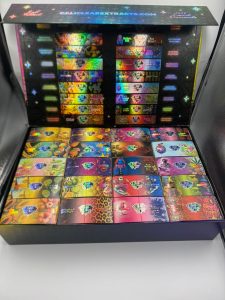
The Cali Clear Select Dual 2G Disposable is identified by its product name, dual designation, and stated two-gram quantity. These naming elements provide a starting point for identification, but they do not establish the full technical characteristics of the device.
Packaging, component materials, electrical specifications, internal arrangement, and product contents remain separate areas of information that require reliable documentation. Differences between product versions should be acknowledged, and unsupported assumptions should be avoided.
Accurate identification is ultimately based on the specific item, its original labeling, and credible technical information. Maintaining this distinction makes product records clearer, more consistent, and less likely to contain unverified claims.
Reviews
There are no reviews yet.