Introducing the Penjamin 2G Disposable
The Penjamin 2G Disposable is a product name associated with a compact, portable disposable-device format. Its two-gram designation refers to the advertised capacity, although the actual contents, formulation, and specifications depend on the particular manufacturer and verified product batch.
Product identification is an important part of understanding any disposable device. Therefore, packaging information, manufacturer details, ingredient disclosures, and applicable regulatory information provide a more reliable description than assumptions based on branding alone.
Product Identity and Packaging
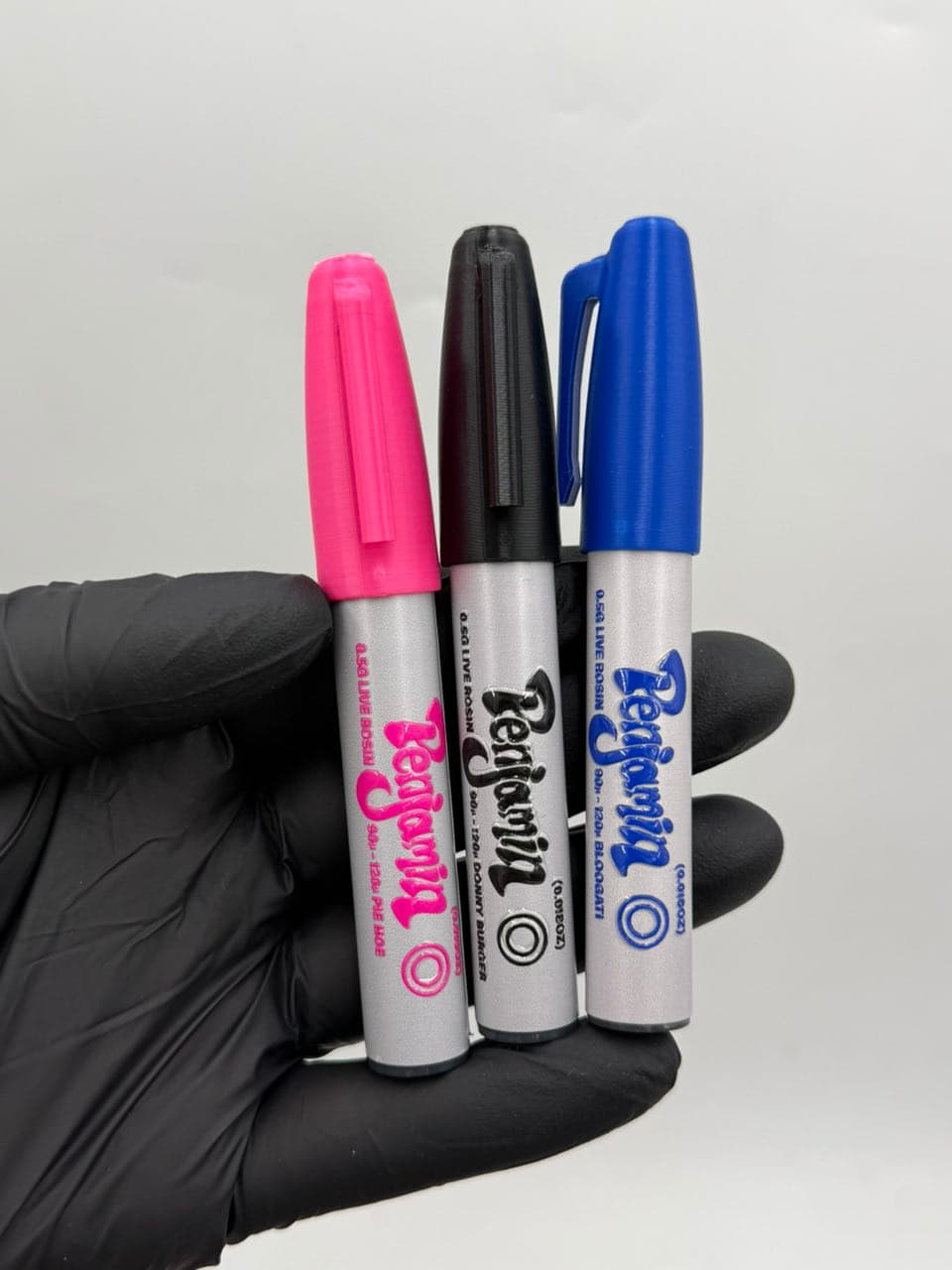
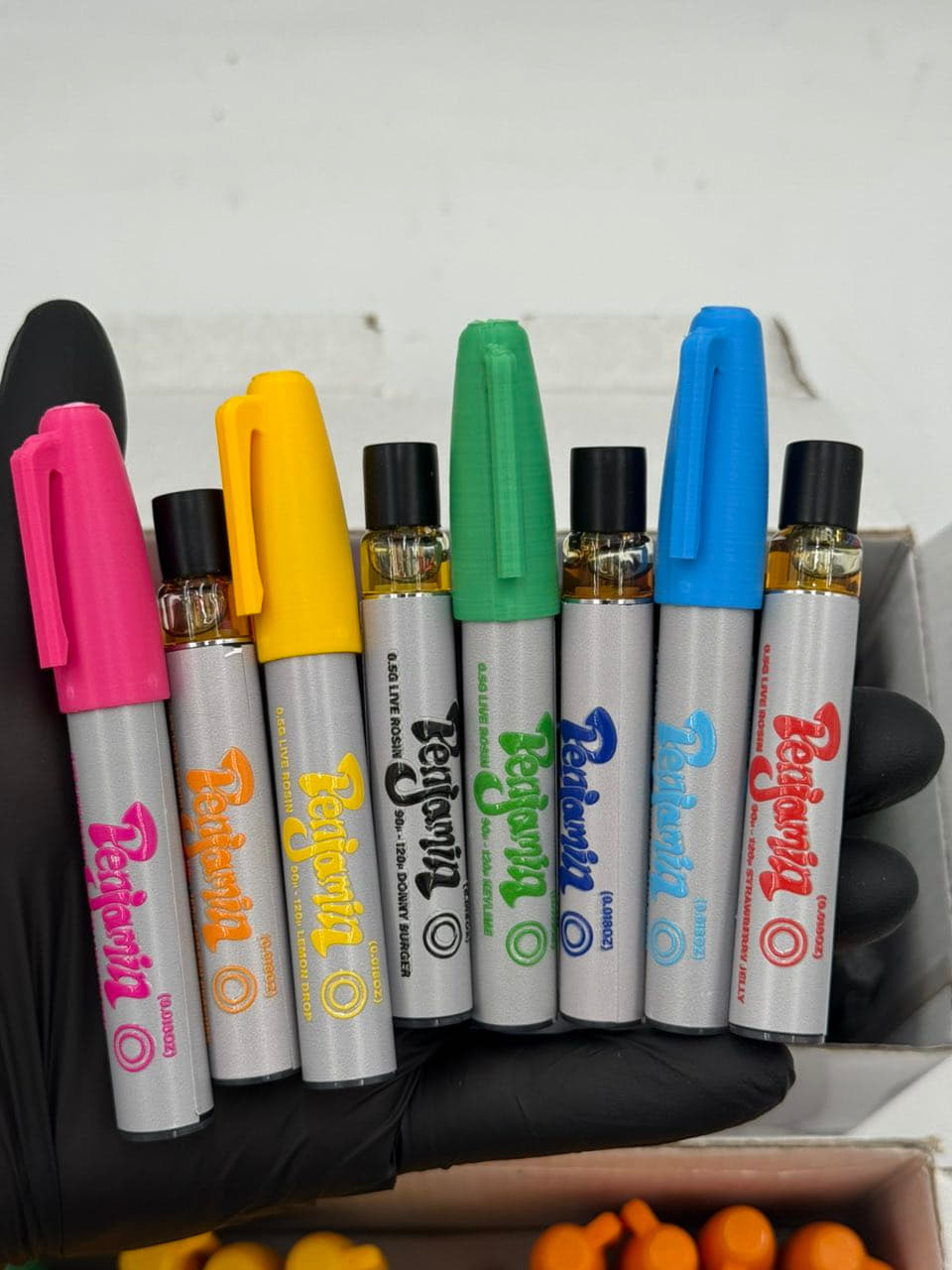
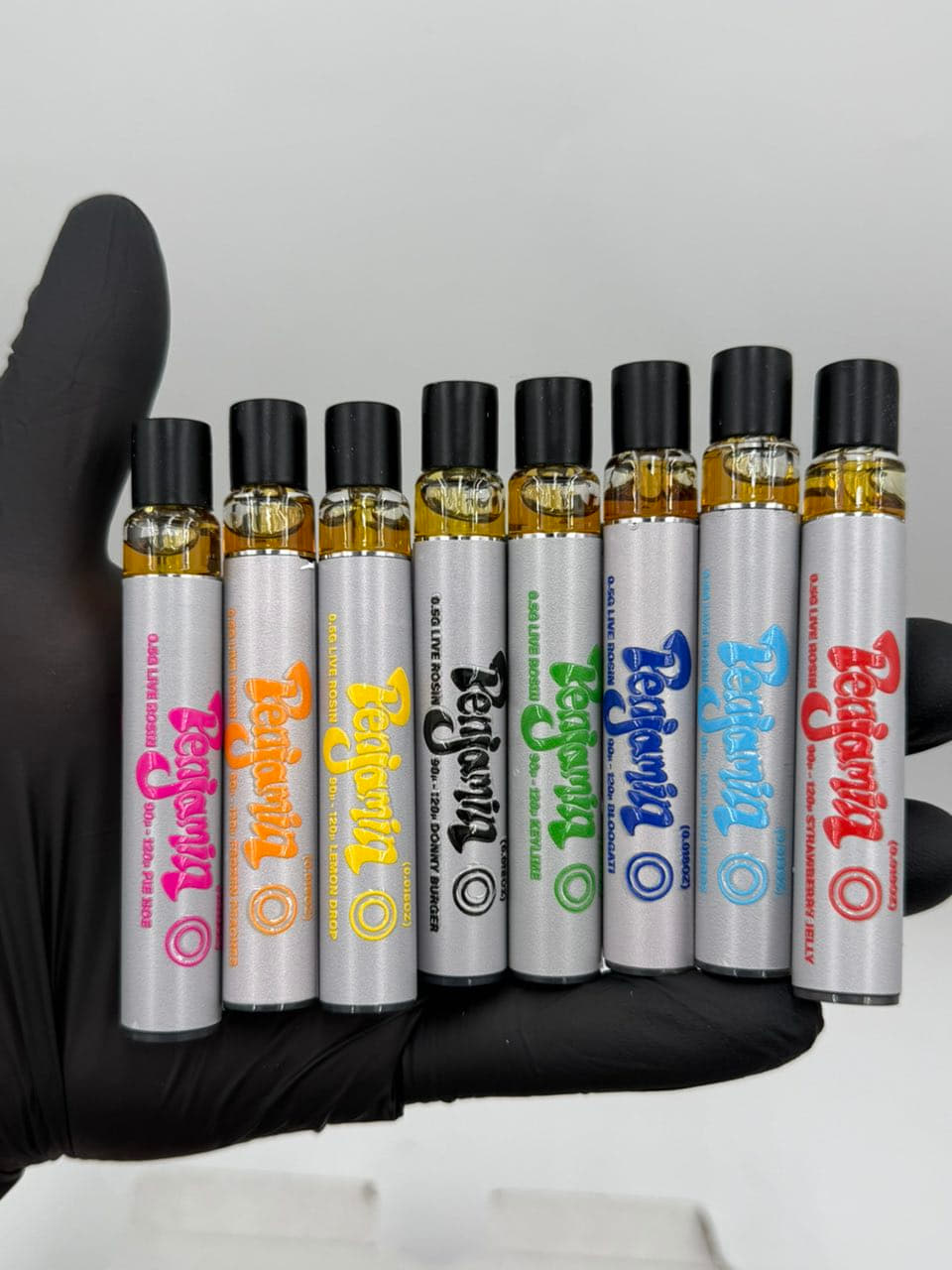
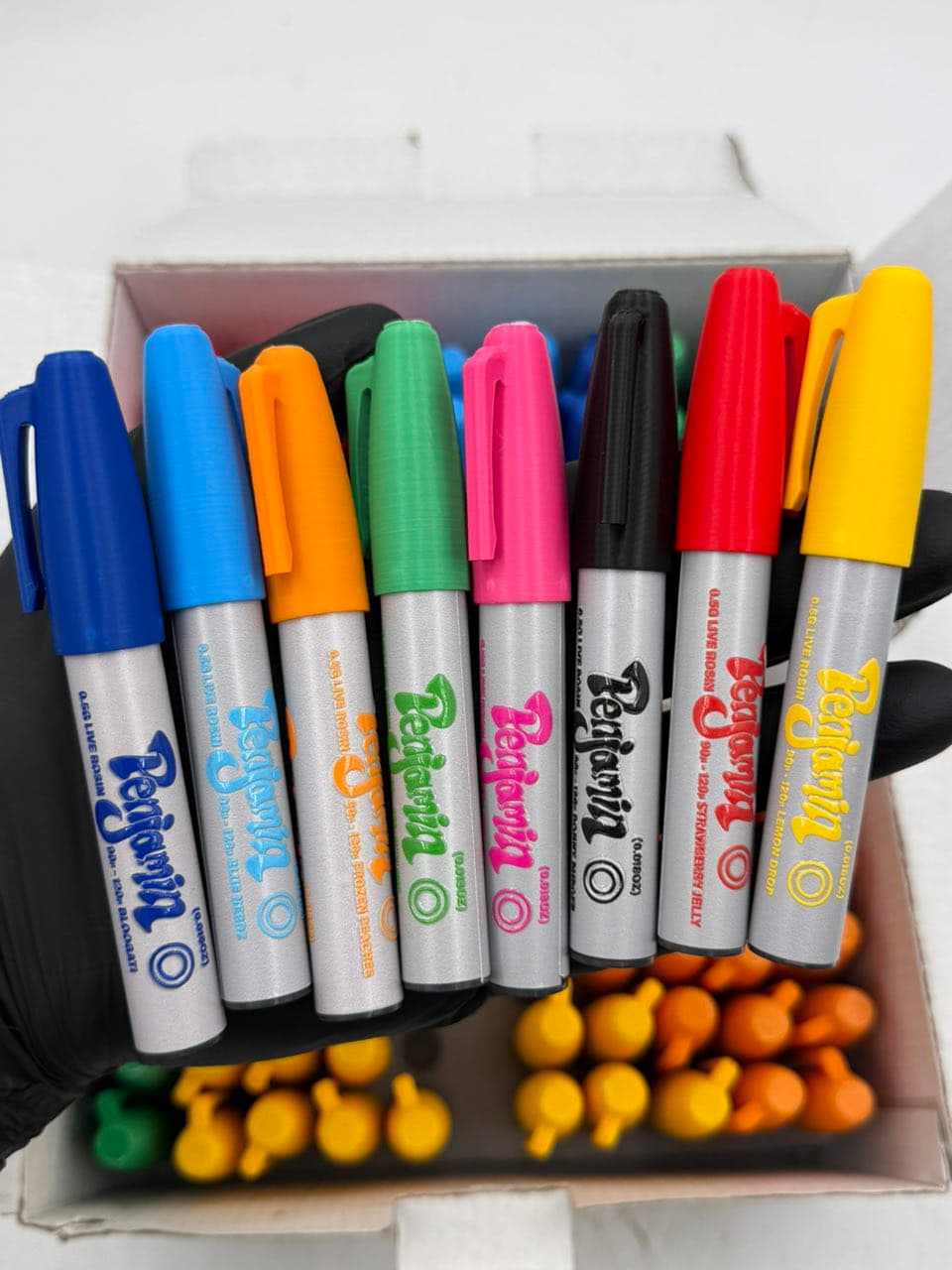
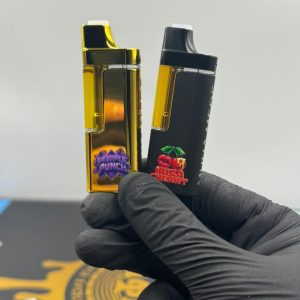
Penjamin 2G disposable packaging may feature distinctive branding and product-specific visual elements. However, packaging appearance alone does not establish authenticity, composition, or quality.
The manufacturer’s label, batch identification, applicable warnings, and ingredient information are essential details for accurate product identification.
Device Format and General Features
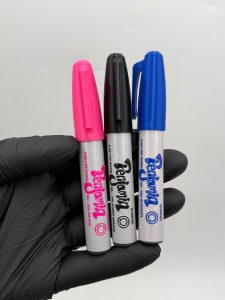
The disposable format generally describes a self-contained device intended to be discarded according to applicable local waste and disposal requirements.
Specific construction materials, battery specifications, operating mechanisms, and other technical characteristics should be confirmed through manufacturer documentation rather than assumed from the product name.
Product Transparency and Verification
Reliable product information includes clearly identified manufacturing details, accurate ingredient disclosures, appropriate testing documentation where legally required, and accessible safety information.
Additionally, product descriptions should distinguish verified specifications from advertising language. This distinction helps readers understand what is established and what remains unconfirmed.
Responsible Product Information
Cannabis-related products are subject to different laws and restrictions depending on the jurisdiction. Age requirements, possession restrictions, product testing standards, and permitted uses may vary considerably.
Furthermore, responsible product information should include applicable health warnings, secure storage considerations, and appropriate disposal guidance.
Understanding the Penjamin Product Identity
Product identity plays an important role in the modern cannabis product marketplace. Names, packaging designs, product categories, and advertised capacities are often used to distinguish one item from another. Nevertheless, a recognisable product name does not automatically establish its manufacturer, ingredients, or authenticity.
The Penjamin 2G Disposable name provides a starting point for product identification. However, additional documentation is necessary to establish the exact product formulation and technical characteristics.
A complete product record should identify the manufacturer, production location, batch number, packaging date, and relevant regulatory information. Furthermore, these details help distinguish verified product information from descriptions that may have been copied or repeated across different online listings.
Packaging Information and Product Identification
Packaging is one of the first sources of information available to consumers. It may contain product identifiers, manufacturer details, ingredient disclosures, warning statements, and other relevant information.
Additionally, packaging can help establish whether a particular product belongs to a documented production batch. When these details are available, they provide a clearer picture of the item’s identity.
Visual branding, however, should not be treated as proof of authenticity. Similar designs and product names can appear across unrelated products. Therefore, manufacturer verification and appropriate documentation remain important.
Understanding Advertised Product Capacity
The 2G designation is commonly associated with an advertised two-gram capacity. However, the precise interpretation depends on the product category and the manufacturer’s labelling practices.
Product capacity is only one part of a complete specification. Other relevant details may include the stated formulation, ingredient composition, net contents, manufacturing information, and applicable testing documentation.
Consequently, a product listing benefits from presenting these details separately rather than combining them into broad, unsupported claims.
Technical Information and Device Construction
Disposable devices can differ considerably in their construction and technical specifications. Materials, battery arrangements, electrical components, and exterior designs are determined by individual manufacturers.
For this reason, the Penjamin 2G Disposable should not automatically be assigned technical specifications that have not been confirmed.
Manufacturer documentation provides the appropriate reference for identifying the device’s construction. In addition, product-specific instructions and safety information help establish the correct handling and disposal requirements.
Ingredient Disclosure and Product Transparency
Ingredient transparency is an important consideration in the description of cannabis-related products.
A reliable ingredient disclosure identifies the substances reported by the manufacturer and distinguishes them from unverified assumptions. Similarly, laboratory documentation may provide information about composition and contaminants when testing has been conducted by an appropriately qualified laboratory.
Furthermore, testing claims should be supported by accessible documentation that corresponds to the specific product and batch.
Authenticity and Documentation
Product authenticity cannot be established through appearance alone. Branding, logos, packaging colours, and printed descriptions may be reproduced.
A more complete verification process considers manufacturer records, batch identification, appropriate certificates, and legitimate distribution documentation where applicable.
Additionally, inconsistencies between packaging and manufacturer information deserve attention. Missing identifiers, unclear ingredient disclosures, and unsupported testing statements can make product identification difficult.
Storage and General Safety Information
Storage information should be based on the manufacturer’s instructions and applicable safety guidance.
Cannabis-related products should be kept securely away from children and pets. Battery-powered disposable devices also require appropriate handling because damaged batteries and electronic components can present safety concerns.
Moreover, damaged or leaking devices should not be treated as ordinary household objects. Their disposal should follow applicable electronic-waste and local hazardous-waste requirements.
Environmental Considerations
Disposable electronic products raise environmental questions because they may contain batteries, electronic components, and materials that require specialised waste management.
The environmental impact depends on the device’s construction and the disposal system available in the relevant location.
Therefore, appropriate electronic-waste collection is preferable to placing battery-containing devices in ordinary recycling containers unless local guidance specifically permits it.
Responsible Product Information and Legal Considerations
Cannabis regulations differ between countries and jurisdictions. Product possession, distribution, advertising, and use may be restricted or prohibited depending on local law.
Accordingly, accurate product information should reflect the legal requirements applicable to the intended market.
Age restrictions, health warnings, and relevant regulatory disclosures also form part of responsible product communication.
The Penjamin 2G Disposable is best identified through its documented product specifications rather than assumptions based on its branding. Manufacturer information, packaging details, ingredient disclosures, and applicable verification records provide the foundation for an accurate description.
Ultimately, transparent product information creates a clearer distinction between confirmed characteristics and unverified marketing claims. This approach supports responsible communication while giving readers a more dependable understanding of the product’s identity.
Understanding Product Specifications
Product specifications provide important information about the identity and characteristics of a particular item. For the Penjamin 2G Disposable, these details should be established through reliable manufacturer documentation rather than assumptions based on its name or appearance.
A complete specification record can include the advertised capacity, product classification, manufacturer identification, packaging details, ingredient disclosures, and applicable safety information.
Furthermore, specifications should remain consistent across the product page, packaging, and supporting documentation. This consistency makes it easier to identify discrepancies and understand exactly what a particular listing represents.
Understanding Product Labelling
Product labelling communicates essential information about an item. For cannabis-related products, labelling requirements may include ingredient declarations, net contents, warnings, manufacturer details, and other jurisdiction-specific disclosures.
Moreover, labelling should distinguish factual product characteristics from promotional descriptions.
An accurate listing avoids presenting unverified claims as established facts. Instead, it relies on information that can be traced to appropriate documentation.
Product Quality and Verification Standards
Quality verification involves more than examining a product’s external appearance. Depending on the applicable regulations, documentation may cover manufacturing practices, ingredient composition, contaminant screening, and batch-specific testing.
Additionally, laboratory reports should identify the tested product and correspond to the relevant production batch.
A general statement about laboratory testing does not establish that a particular item has undergone testing. Therefore, accessible supporting records are important whenever testing claims are included.
Packaging Design and Brand Recognition
Packaging design contributes to product recognition through typography, colors, printed information, and visual presentation.
However, branding and packaging should remain separate from verified product specifications. An attractive design does not independently demonstrate authenticity, safety, or manufacturing standards.
A clear product listing can describe visible packaging characteristics while identifying the source of any technical or ingredient-related information.
Battery and Electronic Component Information
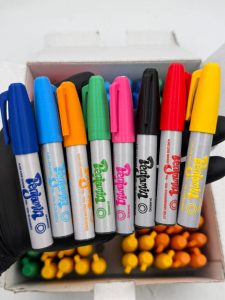
Disposable electronic devices may contain batteries and other electrical components. Their construction and specifications vary according to the manufacturer and product model.
Battery identification is relevant to safe storage, handling, transportation, and disposal.
Additionally, damaged electronic components may present risks associated with overheating, leakage, or physical damage. Manufacturer safety documentation provides the appropriate guidance for individual devices.
Responsible Storage Considerations
Storage conditions can affect the condition of electronic products and their packaging.
Cannabis-related items should remain inaccessible to children and pets. Devices containing batteries should also be protected from physical damage and handled according to manufacturer safety instructions.
Furthermore, secure storage reduces the possibility of accidental access and inappropriate handling.
Environmental Responsibility and Disposal
Electronic disposable products may contain materials that require specialized waste treatment.
Batteries and electronic components should be managed through appropriate collection and disposal systems. In many locations, ordinary household waste collection is not suitable for products containing rechargeable or other battery components.
Local environmental guidance determines the available disposal options.
Understanding Product Information Before Publication
An accurate product page benefits from a consistent information structure. The product name, advertised capacity, manufacturer, and verified specifications should be presented clearly.
Likewise, ingredient statements and testing information should have appropriate supporting documentation.
This approach prevents confusion between confirmed details and assumptions. It also provides readers with a more useful reference when comparing product records.
The Penjamin 2G Disposable product name provides a useful starting point for identifying an advertised two-gram disposable item. Nevertheless, manufacturer records, product labeling, ingredient disclosures, and relevant safety documentation remain essential for establishing its complete characteristics.
A well-organized product information page presents these details clearly, maintains consistency, and avoids unsupported claims. Ultimately, reliable documentation is the foundation of transparent product identification.
Product Classification and Identification
Product classification helps establish the category to which an item belongs. The Penjamin 2G Disposable name identifies an advertised disposable product, although its exact classification and contents should be confirmed through manufacturer records.
A properly maintained product reference includes identifying information that distinguishes the item from similarly named products. This is particularly important when several packaging variations or product editions exist.
Understanding Product Variations
Product variations can involve differences in packaging, labeling, manufacturing batches, and documented specifications.
However, visual differences do not necessarily indicate a change in composition or technical performance. Each variation requires its own supporting information when a difference is being claimed.
This distinction helps maintain accuracy across product catalogs and prevents unrelated specifications from being assigned to the wrong listing.
Manufacturing Documentation
Manufacturing documentation provides information about how a product is identified and recorded during production.
Depending on the applicable requirements, relevant records may include production dates, batch references, ingredient declarations, quality-control documentation, and responsible manufacturer information.
Furthermore, these records create a connection between the physical product and its documented manufacturing history.
Clear and Consistent Product Descriptions
Consistency is an important part of professional product communication. A product’s name, advertised capacity, and verified specifications should remain consistent throughout its listing.
Additionally, descriptions should avoid unsupported statements about ingredients, manufacturing quality, or technical performance.
A factual description gives readers a clearer understanding of the available information without confusing brand presentation with independently established characteristics.
Product Information and Consumer Awareness
Access to accurate product information helps readers understand the characteristics and limitations of a product listing.
For cannabis-related products, relevant information can include applicable legal restrictions, age requirements, health warnings, ingredient disclosures, and storage considerations.
Moreover, readers benefit when uncertainty is acknowledged rather than concealed behind broad promotional language.
Electronic Product Waste Management
Disposable electronic products can create waste-management challenges because their components may include batteries, circuit materials, plastics, and metals.
Consequently, their disposal requires consideration of local electronic-waste regulations.
Battery-containing devices should not automatically be placed in ordinary household recycling. Appropriate collection facilities provide a more suitable route when available.
Product Information Integrity
Information integrity means maintaining accurate, consistent, and verifiable statements throughout a product listing.
This includes distinguishing manufacturer-provided information from independent verification and avoiding specifications that have not been established.
A transparent listing also makes it easier to update product records when new documentation becomes available.
The Penjamin 2G Disposable product listing is most useful when it combines clear identification with accurate, documented specifications. Product labeling, manufacturer records, traceability information, and responsible handling guidance contribute to a more complete reference.
Product Catalog Organization
A well-organized product catalog makes individual listings easier to identify and understand. Each entry should have a recognizable title, accurate classification, and relevant supporting information.
The Penjamin 2G Disposable listing can be organized around its advertised product capacity, manufacturer identification, packaging details, and verified characteristics.
Additionally, consistent catalog organization helps prevent confusion between products with similar names. This becomes particularly important when a website contains numerous disposable-device listings and different product variations.
Accurate Product Naming
Product names serve as identification references throughout an online catalog. Their spelling and presentation should remain consistent across product pages, inventory records, and supporting documents.
Furthermore, a product title should not imply specifications that have not been confirmed.
The distinction between a brand name, product category, and advertised capacity is important because each communicates different information.
Understanding Product Documentation
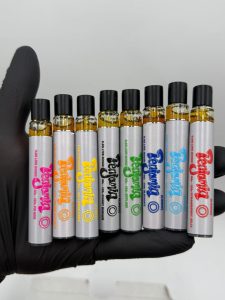
Documentation provides the foundation for reliable product identification. It can include manufacturer statements, packaging records, ingredient information, technical specifications, and applicable regulatory documents.
However, different documents serve different purposes. A packaging photograph may establish visible labeling, while a laboratory report may provide evidence about particular tested characteristics.
Therefore, each statement in a product listing should correspond to an appropriate source of information.
Product Information Management
Product information management involves maintaining accurate records throughout a product’s listing lifecycle.
Relevant information may change when manufacturers revise packaging, update documentation, or introduce a different production batch.
Consequently, product records benefit from periodic reviews. Outdated descriptions can otherwise create inconsistencies between published listings and available documentation.
Distinguishing Facts From Assumptions
An informative product description separates confirmed characteristics from details that remain uncertain.
For example, the advertised two-gram capacity can be presented as a product designation when it appears on the original labeling. In contrast, ingredient composition, battery capacity, and manufacturing origin require separate confirmation.
This distinction creates a more dependable information resource and reduces the possibility of misleading statements.
Consumer Information and Product Awareness
Clear product information helps readers understand what a listing establishes and what it does not establish.
Cannabis-related products also involve important legal and health considerations. Regulations vary by location, while potential health risks depend on the substances involved and individual circumstances.
Additionally, secure storage and appropriate disposal remain important considerations for products containing cannabis-related substances or electronic components.
Responsible Digital Product Communication
Online product information should be factual, appropriately qualified, and consistent with applicable advertising regulations.
In jurisdictions where cannabis advertising is restricted, product pages may also be subject to limitations involving audience eligibility, product promotion, and permitted claims.
A responsible information page therefore avoids unsupported health benefits, guaranteed outcomes, and unverified safety assurances.
Maintaining Product Record Accuracy
Accurate records support consistency across different parts of an online store.
The product title, advertised capacity, manufacturer details, and relevant disclosures should correspond with the available documentation.
When new information becomes available, the published description can be reviewed accordingly. This helps preserve the reliability of the product catalog over time.
Frequently Asked Questions About Product Records
Why is consistent naming important?
Consistent naming makes products easier to distinguish and helps prevent catalog errors.
Can manufacturer details be assumed from branding?
No. Branding and manufacturer identity are separate pieces of information that require verification.
Should every product variation have a separate record?
Separate records are useful when variations have different documented characteristics, labeling, or manufacturing information.
How often should product information be reviewed?
Product records should be reviewed whenever relevant manufacturer information, regulatory requirements, or product specifications change.
What makes a product description reliable?
Reliability comes from accurate identification, traceable information, transparent disclosures, and the absence of unsupported claims.
Concluding Product Reference
The Penjamin 2G Disposable listing can serve as a structured product reference when its identifying information is presented clearly and supported by appropriate documentation.
Its advertised capacity, product classification, packaging, and manufacturer information should remain distinguishable from technical or compositional details that require independent confirmation.
Ultimately, an informative product page is built on accuracy, consistency, transparency, and responsible communication.


Reviews
There are no reviews yet.