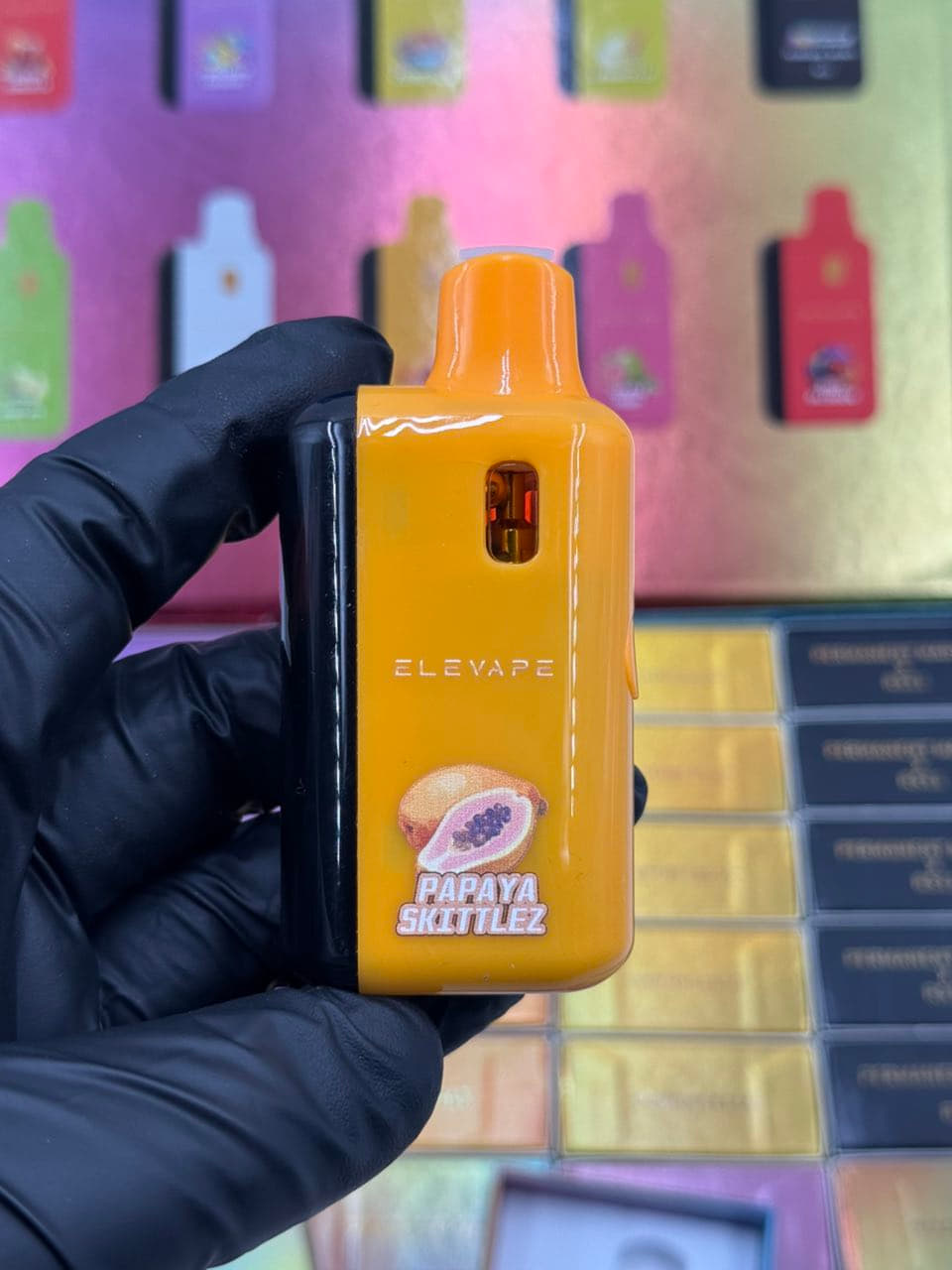

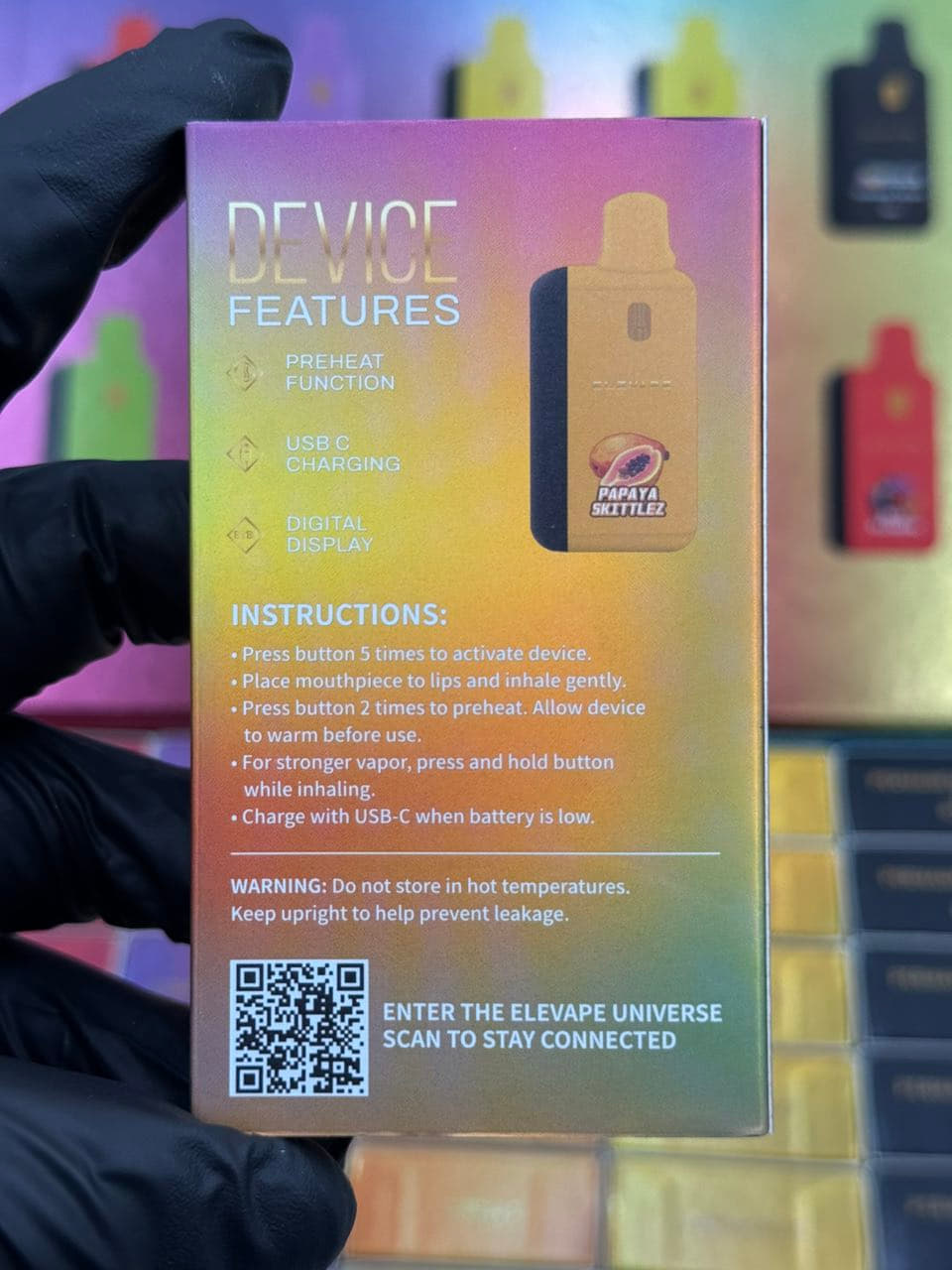
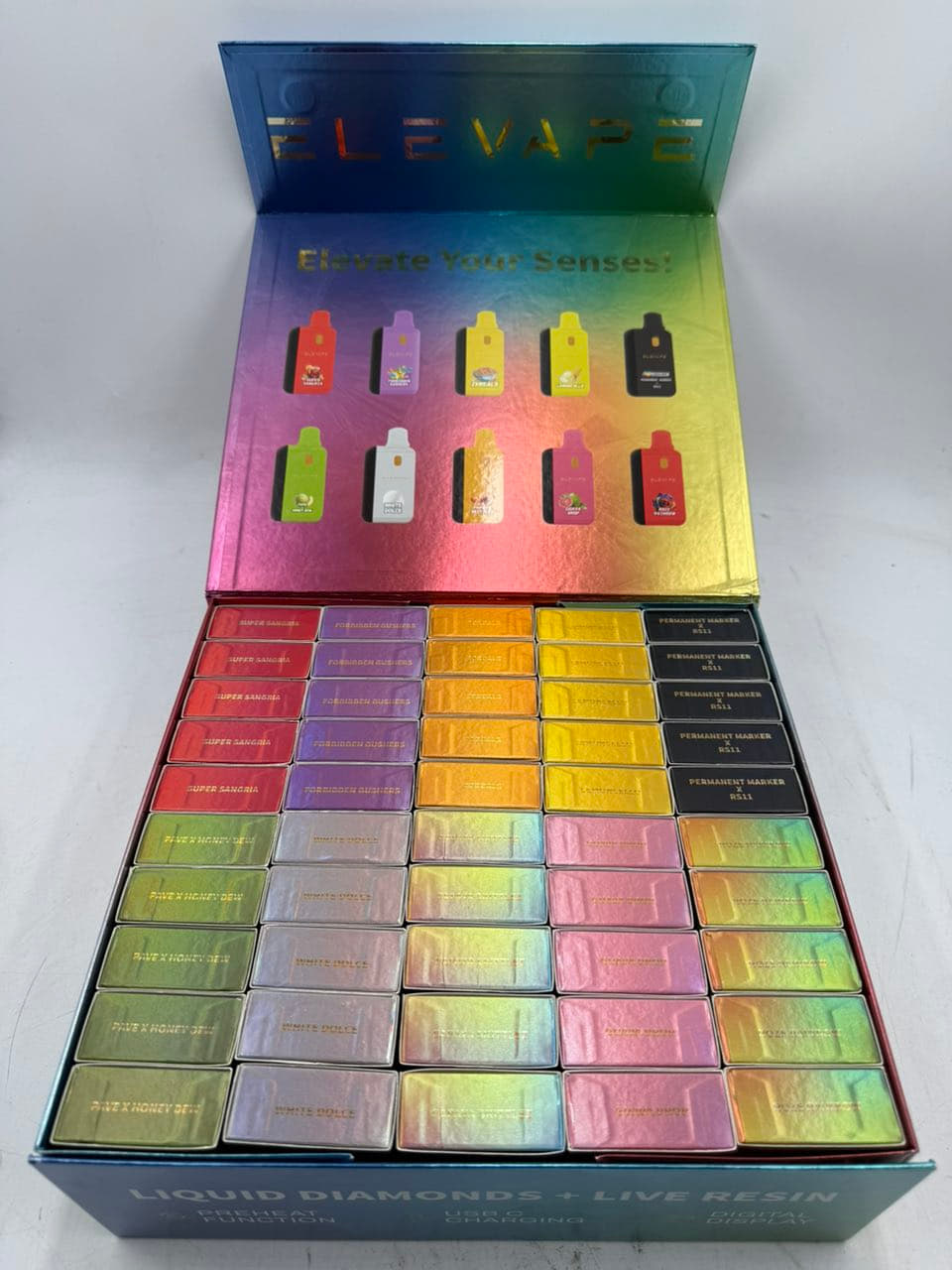
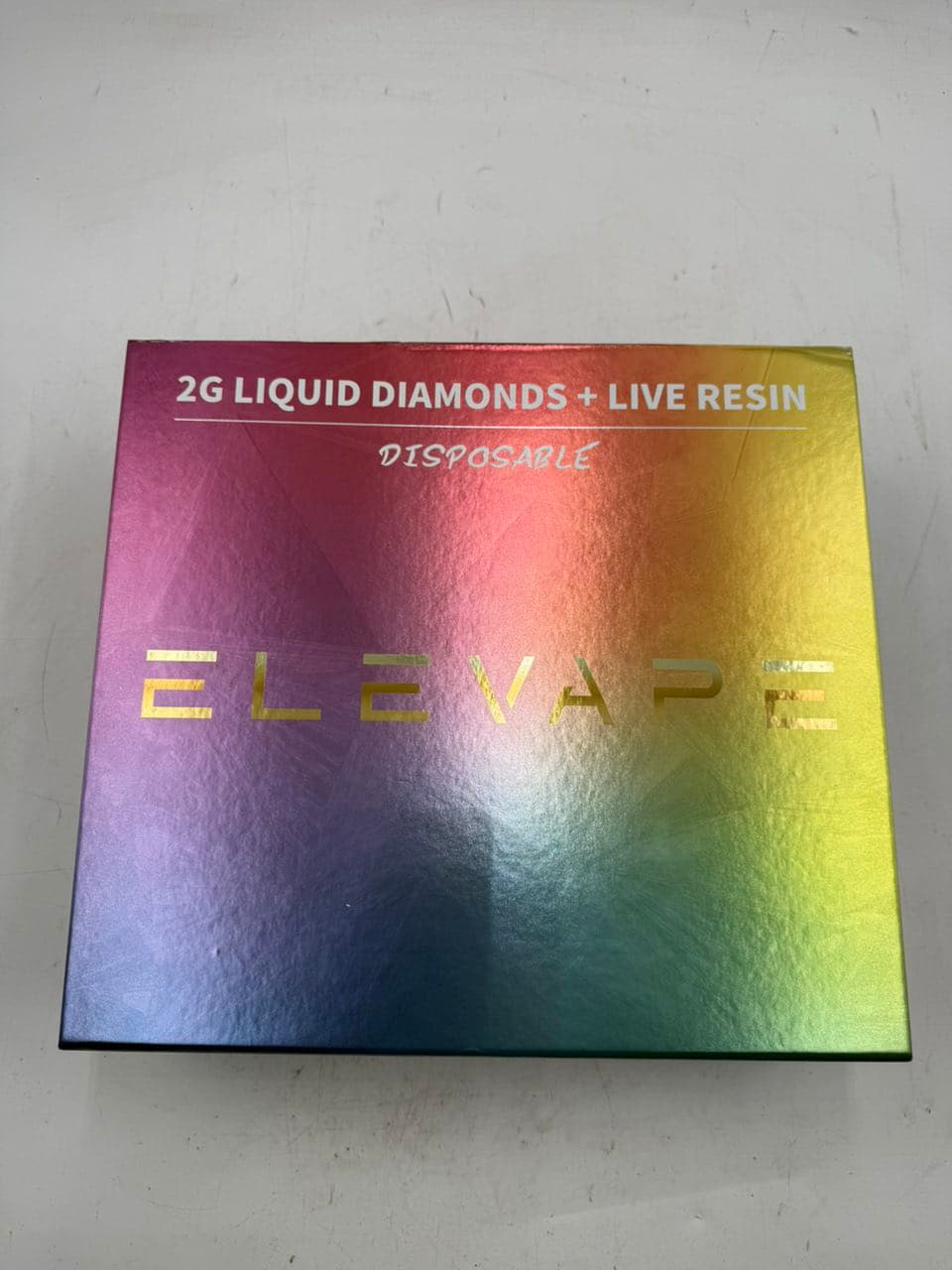
Introduction to the Elevape 2G Disposable
The Elevape 2G Disposable is a product name associated with a compact, disposable vaping-device format. Its name references a two-gram designation, although the exact contents, formulation, specifications, and authenticity of individual products may differ depending on the manufacturer, distributor, and packaging version.
Disposable vaping products have become recognisable for their compact construction and self-contained design. Unlike reusable systems that involve separate components, disposable units generally combine several elements into one device. These may include a housing, an internal power source, a heating mechanism, and a reservoir. The precise configuration, however, depends on the specific model.
The Elevape name may appear across different packaging styles or product presentations. Consequently, product identification should rely on the information printed on the actual packaging rather than assumptions based solely on the name, appearance, or advertised capacity.
Product Identity and Classification
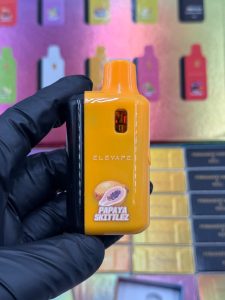
Product identification plays an important role in understanding any vaping device. Names, model numbers, labels, and packaging descriptions help distinguish one item from another, particularly when products share similar appearances or naming conventions.
The Elevape 2G Disposable designation provides a starting point for identifying the product. Nevertheless, the name alone does not establish the manufacturer’s identity, the composition of the contents, laboratory verification, or regulatory status.
These details offer a clearer picture of the specific item being examined. Additionally, maintaining accurate product records can help distinguish verified information from unsupported descriptions.
Device Format and Physical Construction
Disposable vaping devices typically use an integrated design. The exterior housing contains the internal components, while the device is intended to be handled as one unit rather than assembled from multiple reusable parts.
The outer body may differ in shape, finish, dimensions, colour, or labelling. Those characteristics can change between versions, so photographs or descriptions from another listing may not accurately represent the particular unit.
Physical appearance should therefore be treated as descriptive information, not evidence of product quality, contents, authenticity, or safety.
Understanding the Two-Gram Designation
The “2G” portion of the product name commonly refers to a stated quantity of material. However, the meaning of that designation should be verified against the actual label and relevant product documentation.
A quantity printed on packaging does not independently verify the contents. Differences between product descriptions, labelling, manufacturing records, and testing information may require further examination.
Clear documentation is especially important when a product is presented through online listings, third-party retailers, or promotional photographs. Accurate labelling provides a more dependable reference than visual presentation alone.
Packaging and Label Information
Packaging serves several purposes, including product identification, storage information, warnings, and manufacturer communication. The information displayed on a package may vary according to the product version and the jurisdiction in which it is distributed.
The absence of certain information may make it difficult to independently assess the item. Therefore, packaging details should be reviewed carefully, and claims that cannot be verified should not be treated as established facts.
Ingredient Transparency
Ingredient transparency is an important part of consumer product documentation. A clear ingredient declaration identifies what a product is represented to contain, while supporting documentation may provide additional information about composition or testing.
Descriptions that use broad terms without identifying specific ingredients can leave important questions unanswered. Likewise, claims about purity, natural composition, potency, or testing should be supported by appropriate documentation.
The presence of a label or certificate does not automatically establish authenticity. Verification depends on whether the documentation corresponds to the specific product, manufacturer, and batch.
Manufacturing and Quality Documentation
Manufacturing information helps establish how a product is identified and documented. Where available, records may include production details, batch identification, quality-control documentation, and testing reports.
A product listing that lacks these details should not make unsupported claims about manufacturing standards or consistency. Similarly, a brand name or recognisable package design cannot independently confirm the origin of an item.
Reliable product documentation distinguishes confirmed information from assumptions, making it easier for consumers to understand the limits of available information.
Health and Safety Awareness
Vaping products may present health risks, including exposure to potentially harmful substances, respiratory irritation, nicotine dependence when nicotine is present, and other adverse effects depending on the product’s contents.
Products containing cannabis-derived compounds may also carry additional risks, including impairment, anxiety, confusion, altered perception, and unwanted reactions. The exact effects can vary according to composition, individual circumstances, and exposure.
A product’s compact design or disposable format does not eliminate these risks. Furthermore, appearance, flavour descriptions, or package claims should not be interpreted as indicators of safety.
Age Restrictions and Legal Considerations
Vaping products and cannabis-related products may be subject to age restrictions, licensing requirements, possession rules, and other regulations. These requirements differ across jurisdictions and may change over time.
The product name alone does not establish whether an item is legal to possess, distribute, or sell in a particular location. Applicable laws and regulatory requirements must be evaluated independently.
Age-restricted products should not be accessible to minors. Storage, packaging, and handling practices also matter because accidental exposure may present serious risks.
Product Information Summary
The Elevape 2G Disposable name identifies a disposable-device product format, but specific attributes should be confirmed through reliable documentation associated with the individual item.
A responsible product-information page prioritises accurate identification, transparent labelling, manufacturer details, appropriate warnings, and verifiable information. This approach avoids presenting assumptions as facts and gives readers a more complete understanding of the product category.
The Elevape 2G Disposable can be documented through its product name, physical format, packaging details, manufacturer information, and available specifications. Because individual versions may differ, descriptions should remain tied to the exact item being examined.
Clear product documentation is more useful than unsupported claims. Accurate labelling, transparent contents information, appropriate warnings, and reliable identification remain important considerations when evaluating any disposable vaping device.
Understanding Disposable Vape Technology
Disposable vaping devices belong to a category of electronic products designed around an integrated structure. In general, this structure combines a power source, electronic components, an exterior casing, and a contained material or liquid. The configuration may differ considerably between manufacturers and individual models.
The Elevape 2G Disposable name identifies a particular product designation, but the name itself does not reveal every detail about its internal construction. For that reason, the device should be evaluated through its actual documentation, packaging, and available manufacturer information rather than assumed specifications.
Electronic vaping products also involve several considerations beyond their physical design. Material composition, electrical components, manufacturing standards, storage conditions, and disposal requirements can all affect how the product is understood and handled.
Product Identification and Label Accuracy
Accurate product identification helps distinguish genuine documentation from incomplete or misleading descriptions. Online product names may be shortened, rearranged, or combined with descriptive terms that do not appear on the original packaging.
In addition, different versions of a product may share similar names while having different specifications. This makes exact identification particularly important when reviewing photographs, product descriptions, or third-party information.
A complete identification record should reflect the information available on the physical product. Where a detail cannot be confirmed, it should remain unspecified rather than being presented as a verified characteristic.
Electronic Components and Device Categories
Disposable electronic vaping devices generally contain several electronic and mechanical components. Their construction may include an internal battery, a control circuit, a heating element, a casing, and other integrated parts.
The precise components used in an Elevape-branded device cannot be confirmed from its name alone. Manufacturer documentation would be necessary to establish the actual component specifications and configuration.
Electronic products can also develop faults over time. Damage, unusual heating, leakage, electrical irregularities, or visible deterioration may indicate a problem requiring attention. These issues should not be dismissed simply because a device is described as disposable.
Packaging Design and Information Presentation
Product packaging is often the first source of information available to a consumer. It can communicate the product name, version, manufacturer, contents, warnings, and other relevant details.
The visual presentation of packaging may include printed graphics, product identifiers, colors, and descriptive text. However, visual similarities between packages do not establish that two items have the same origin or composition.
Clear packaging information is valuable because it reduces confusion between product names and versions. Moreover, legible labeling can help readers locate important warnings and identify the responsible manufacturer or distributor.
Product Authenticity and Verification
Authenticity is an important consideration when examining products distributed through multiple channels. A familiar product name or package design does not necessarily establish that an item was produced by the company associated with that name.
Verification may involve examining manufacturer information, batch identifiers, packaging consistency, and supporting documentation. Where an official verification system exists, its legitimacy should be independently confirmed.
Unverified claims about authenticity should be avoided. Similarly, product photographs or promotional descriptions should not be treated as conclusive evidence of origin.
Material Composition and Transparency
Information about a product’s composition is essential for understanding what it contains. General descriptions may not provide enough detail to establish the identity or concentration of individual substances.
Composition information should be based on documentation relevant to the exact product. This is especially important when different formulations, versions, or batches may exist.
Transparent labeling also supports responsible communication. Claims about purity, concentration, consistency, or ingredients should be accompanied by suitable evidence rather than assumptions based on product branding.
Storage, Packaging, and Environmental Conditions
Storage conditions may influence the integrity of electronic devices and their contents. Temperature changes, humidity, direct sunlight, and physical damage can affect packaging or internal components.
A damaged or compromised product may not remain in its original condition. Consequently, packaging integrity and the presence of visible damage are relevant considerations when reviewing a product.
Storage information should come from the manufacturer or other reliable documentation. General assumptions about a particular model should not replace product-specific guidance.
Electronic Waste and Environmental Responsibility
Disposable electronic devices create waste that may include batteries, electronic components, plastics, and other materials. These materials may require specialized disposal rather than ordinary household waste collection.
Battery-containing devices can present environmental and fire risks when damaged, crushed, exposed to excessive heat, or discarded improperly. Therefore, disposal practices are an important part of the broader discussion surrounding disposable electronics.
Local waste-management requirements may provide designated collection points for electronic waste and batteries. Proper disposal helps reduce unnecessary environmental contamination and the risks associated with damaged electronic components.
Consumer Information and Product Responsibility
Reliable product information should distinguish between verified facts, manufacturer statements, and claims that remain unconfirmed.
For example, a product description may identify a model name and packaging format while leaving the internal specifications unknown. Maintaining that distinction improves accuracy and prevents misleading statements.
Consumer information also benefits from clear language. Technical terms should be explained where necessary, and important warnings should remain easy to locate. A well-organized information page provides context without overstating what is known about the product.
Disposal requirements depend on local regulations and the type of electronic components involved. Devices containing batteries may need to be taken to designated electronic-waste collection facilities.
The Elevape 2G Disposable is best identified through its exact packaging, documented specifications, and verifiable manufacturer information. Its name provides a general product reference, while details concerning its contents, construction, authenticity, and regulatory status require independent confirmation.
Accurate documentation, transparent labeling, health awareness, and responsible electronic-waste handling are essential considerations when discussing disposable vaping products.
1. Understanding Product Specifications
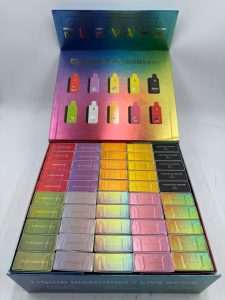
Product specifications provide a structured way to identify and describe an electronic device. They help distinguish a particular model from other products with similar names, packaging, or general appearance.
For the Elevape 2G Disposable, specifications should be based on verified product documentation. The name itself does not establish the exact dimensions, battery characteristics, materials, internal components, or formulation.
A complete specification record generally separates confirmed details from information that remains unavailable. This distinction is important because product names can be reused across different versions, while third-party descriptions may contain inconsistencies.
Technical documentation also provides a reference point for product identification, comparison, and recordkeeping. Where information is missing, the most accurate description is one that acknowledges the limitation instead of filling the gap with assumptions.
2. The Importance of Clear Product Labeling
Labels communicate information that may not be immediately visible from a product’s exterior. They can identify the responsible company, describe the product category, disclose contents, and provide relevant warnings.
Clear labeling is particularly important for compact electronic products. Their exterior appearance often reveals very little about their internal materials or electrical characteristics.
A well-organized label can make important information easier to locate. In contrast, incomplete, unclear, or inconsistent labeling may create uncertainty about product identity and contents.
Product information should remain legible, accurate, and consistent across the package, supporting documentation, and any associated informational material.
3. Electronic Device Integrity
Electronic device integrity refers to the condition of a product’s physical and electrical components. Damage, deterioration, or irregularities may affect the device’s overall condition.
The exterior casing may help protect internal components from everyday contact, but it cannot eliminate every possibility of damage. Cracks, unusual deformation, leakage, or visible deterioration may indicate that a product’s integrity has been compromised.
Battery-powered devices also require appropriate caution because electrical components can present hazards when damaged. A product that shows signs of abnormal behavior should not be regarded as automatically safe merely because its exterior appears familiar.
4. Understanding Battery-Related Risks
Many disposable electronic vaping products contain batteries. Battery technology has specific safety considerations involving heat, physical damage, electrical faults, and environmental exposure.
Lithium-based batteries, when used in electronic devices, may present a fire or injury risk if damaged or improperly handled. Although the exact battery type in a particular Elevape model would need confirmation, general battery safety remains relevant to the product category.
Battery-related incidents may involve overheating, swelling, leakage, smoke, or other abnormal conditions. These signs should be treated seriously rather than dismissed as ordinary device behavior.
Battery safety information should be based on the actual device and its documented construction whenever those details are available.
5. Understanding Product Claims
Product descriptions may include statements about composition, manufacturing, performance, authenticity, or quality. However, the reliability of such statements depends on the evidence supporting them.
A claim printed on a package is not necessarily independent verification. Similarly, a statement repeated across several online listings may originate from the same unverified source.
This approach creates a more accurate record and reduces confusion when different sources provide conflicting descriptions.
6. Product Photography and Visual Identification
Photographs can provide useful information about a product’s visible characteristics. They may show the exterior casing, printed labels, packaging, model designation, or other identifying features.
Nevertheless, photographs have limitations. Lighting, image editing, resolution, camera angles, and differences between product versions can affect how an item appears.
A photograph also cannot independently establish the chemical composition of a product, its manufacturing origin, or the condition of concealed components.
Visual documentation is most useful when it is accompanied by written identification and reliable supporting information.
7. Consumer Awareness and Information Quality
Consumer awareness involves understanding the difference between a product’s presentation and the evidence available about it. This is especially important when products are described through short online listings or images that omit important details.
Clear information supports informed understanding. Missing specifications, unclear manufacturer details, and unsupported claims can make product evaluation more difficult.
Furthermore, accurate communication does not require exaggerated statements. A straightforward description of what is known, together with an explanation of what remains uncertain, is often more useful than an elaborate account based on assumptions.
8. Regulatory Information and Documentation
Electronic vaping products may be subject to different regulations depending on their classification, ingredients, intended use, and distribution location.
Relevant requirements can involve labeling, product composition, age restrictions, manufacturing documentation, consumer warnings, and disposal procedures.
The regulatory status of an individual product cannot be established solely through its name or package appearance. Appropriate legal and regulatory sources should be consulted for the applicable jurisdiction.
Documentation should also be kept consistent. Product identifiers, manufacturer information, and other relevant records help distinguish one item from another when reviewing regulatory information.
9. Responsible Communication About Electronic Products
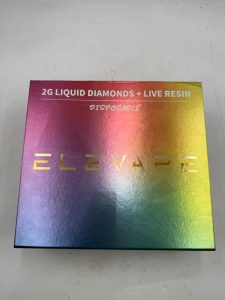
Responsible communication is an important part of presenting information about any electronic product. Descriptions should avoid claims that are unsupported by available evidence or that imply a product is free from risk.
A neutral informational approach focuses on identification, documentation, physical characteristics, and relevant safety considerations.
It also avoids presenting uncertain information as fact. When product details cannot be verified, acknowledging that uncertainty preserves accuracy and helps readers understand the limitations of the information.
10. General Information Summary
The Elevape 2G Disposable name represents a product designation, but individual characteristics must be confirmed through reliable sources associated with the exact product.
The broader category of disposable electronic vaping devices involves considerations relating to electronic components, packaging, product integrity, labeling, health risks, and environmental disposal.
These considerations provide context for understanding the product without assuming that every version shares identical specifications or characteristics.

Reviews
There are no reviews yet.