
Product Overview
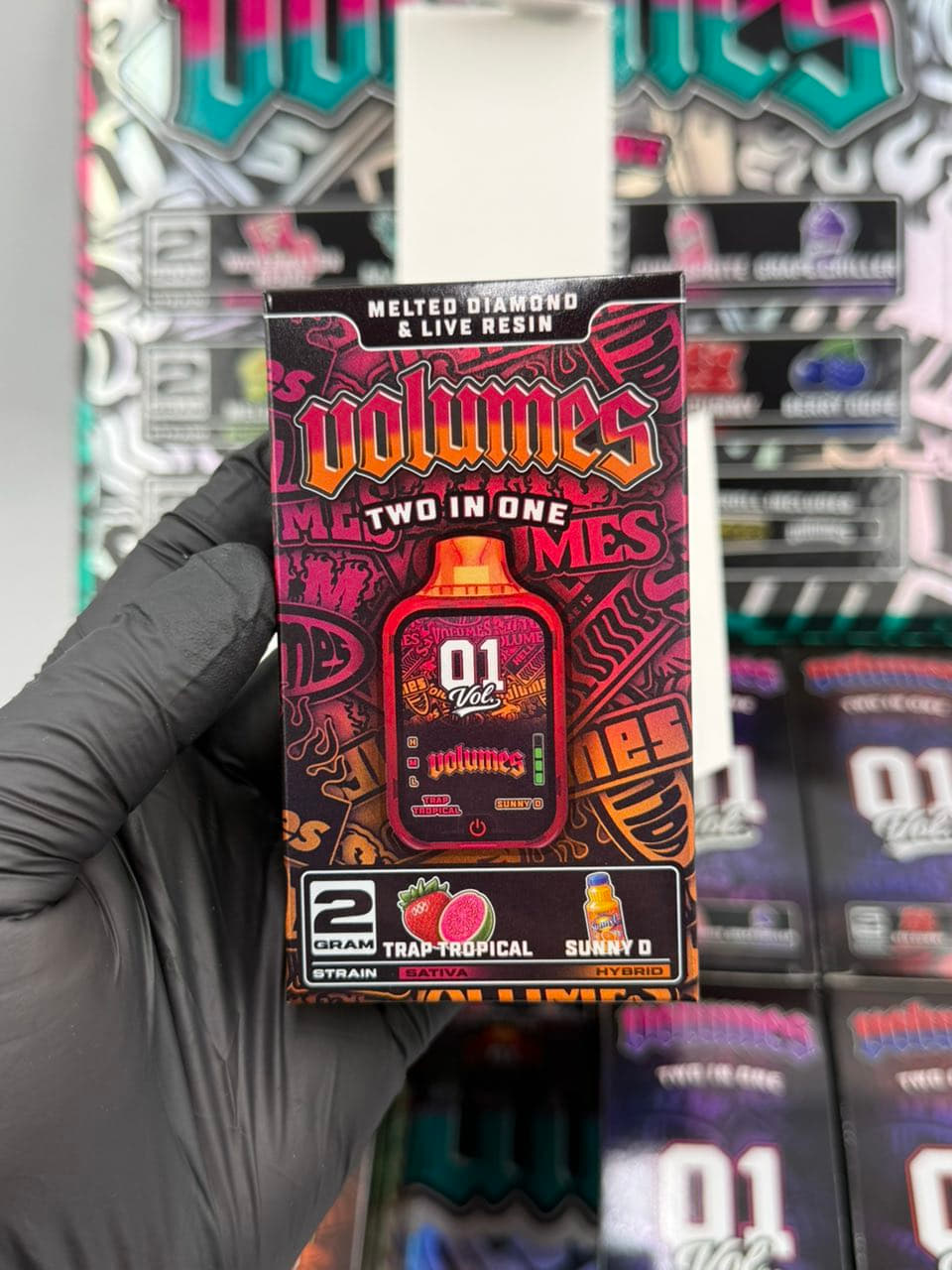
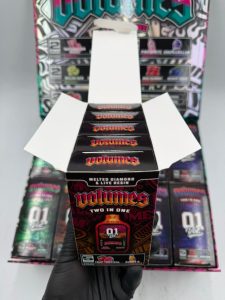
The volumes V1 2G Disposable is a product name associated with a compact, single-unit disposable device. Its V1 designation provides a recognisable product identifier, while the 2G label refers to the stated quantity indicated by the product packaging. Product details, contents, specifications, and labelling may vary depending on the manufacturer, market, and individual packaging version.
Product information serves an important role in helping customers understand what an item is, how it is identified, and which details distinguish one version from another. Therefore, the volumes V1 name, packaging information, printed specifications, and manufacturer details should be presented clearly and accurately.
Product Identification and Packaging
Product identification is an essential part of maintaining clear inventory records and transparent product information. The volumes V1 designation distinguishes this particular version from other products that may share a similar name or packaging style. In addition, the packaging may contain identifying information such as a product label, batch number, manufacturing details, applicable warnings, and other information required by local regulations.
Packaging also helps preserve the product’s original identification throughout storage, transportation, and inventory handling. However, appearance alone should never be considered proof of authenticity. Manufacturer verification, appropriate labelling, and reliable sourcing remain important considerations when examining any regulated product.
Understanding the V1 Designation

The V1 name functions as a version identifier. Product versions may differ in their appearance, packaging, specifications, or other manufacturer-defined characteristics. Nevertheless, a version name by itself does not establish technical performance, product quality, ingredients, or manufacturing standards.
Consequently, product specifications should be confirmed through the original manufacturer or verified documentation instead of relying on assumptions associated with the name. Accurate product descriptions help distinguish confirmed information from details that have not been independently established.
Product Specifications
The available specifications for the volumes V1 2G Disposable should be verified against its original packaging and manufacturer documentation. Information may include the product name, stated quantity, packaging configuration, batch identification, ingredient disclosure where applicable, and regulatory warnings.
Furthermore, product information may differ between markets because labelling requirements and product classifications vary by location. Clear documentation helps prevent confusion when different versions are listed under similar product names.
Product Information and Responsible Awareness
Products containing cannabis or other regulated substances may carry age restrictions, health considerations, and legal requirements. Their contents and potential effects may vary, and product labels should not be interpreted as a guarantee of safety.
In addition, disposable electronic products may require special handling and disposal because they can contain batteries or electronic components. Environmental considerations are therefore relevant when discussing disposable-device packaging and waste management.
Authenticity and Verification
Product authenticity is best evaluated using reliable manufacturer information and applicable verification procedures. Packaging similarities or printed branding alone may not confirm that an item is genuine.
For that reason, product records should distinguish verified information from unconfirmed claims. Clear identification, accurate documentation, and appropriate regulatory information provide a more dependable reference for consumers and inventory management.
The volumes V1 2G Disposable are identified by their V1 product designation and the quantity stated in their name. Its precise specifications, contents, packaging details, and applicable restrictions should be confirmed through reliable product documentation.
A clear product-information page can help readers understand the product’s identity while maintaining accurate records and transparent communication. Ultimately, verified information, responsible awareness, and compliance with applicable laws are central to documenting regulated products appropriately.
The Importance of a Distinct Product Name
Product names play an important role in how items are recognised, documented, and distinguished from other products within the same category. The volumes V1 2G Disposable name contains several identifying elements, each of which contributes to its overall product identity. Together, these elements provide a recognisable reference for packaging records, catalogue organisation, and product documentation.
The volume’s name represents the primary product identity, while V1 serves as a version designation. In addition, the 2G reference communicates the quantity indicated in the product name. These identifiers can help distinguish one listing from another, especially when product catalogues contain numerous items with similar descriptions.
However, product naming conventions can sometimes create confusion. Different manufacturers may use similar abbreviations, numerical identifiers, or descriptive terms. Consequently, a product name should be accompanied by clear manufacturer information and appropriate documentation whenever those details are available.
Version Identification and Catalogue Accuracy
Version identification helps maintain organised records. Products listed under a shared brand or collection may have different packaging, specifications, manufacturing dates, or labelling requirements. Therefore, the version designation should remain consistent across product records and descriptions.
A well-organised catalogue typically separates the product name from its technical details. This approach makes it easier to identify discrepancies between a product listing, its physical packaging, and available manufacturer documentation.
Consistency is particularly important when a product appears across multiple pages, inventory systems, or business records. If the same item is described differently in separate locations, readers may struggle to determine whether those listings refer to the same product.
In contrast, standardised naming helps reduce unnecessary confusion. Product titles, version references, and verified specifications can be maintained in a consistent format. Additionally, records may be updated whenever new documentation becomes available.
A consistent identification system also supports better recordkeeping. Staff can compare incoming inventory with existing entries and identify differences more easily. Meanwhile, customers reviewing product information can distinguish confirmed details from descriptions that may require further verification.
Understanding the Role of Packaging
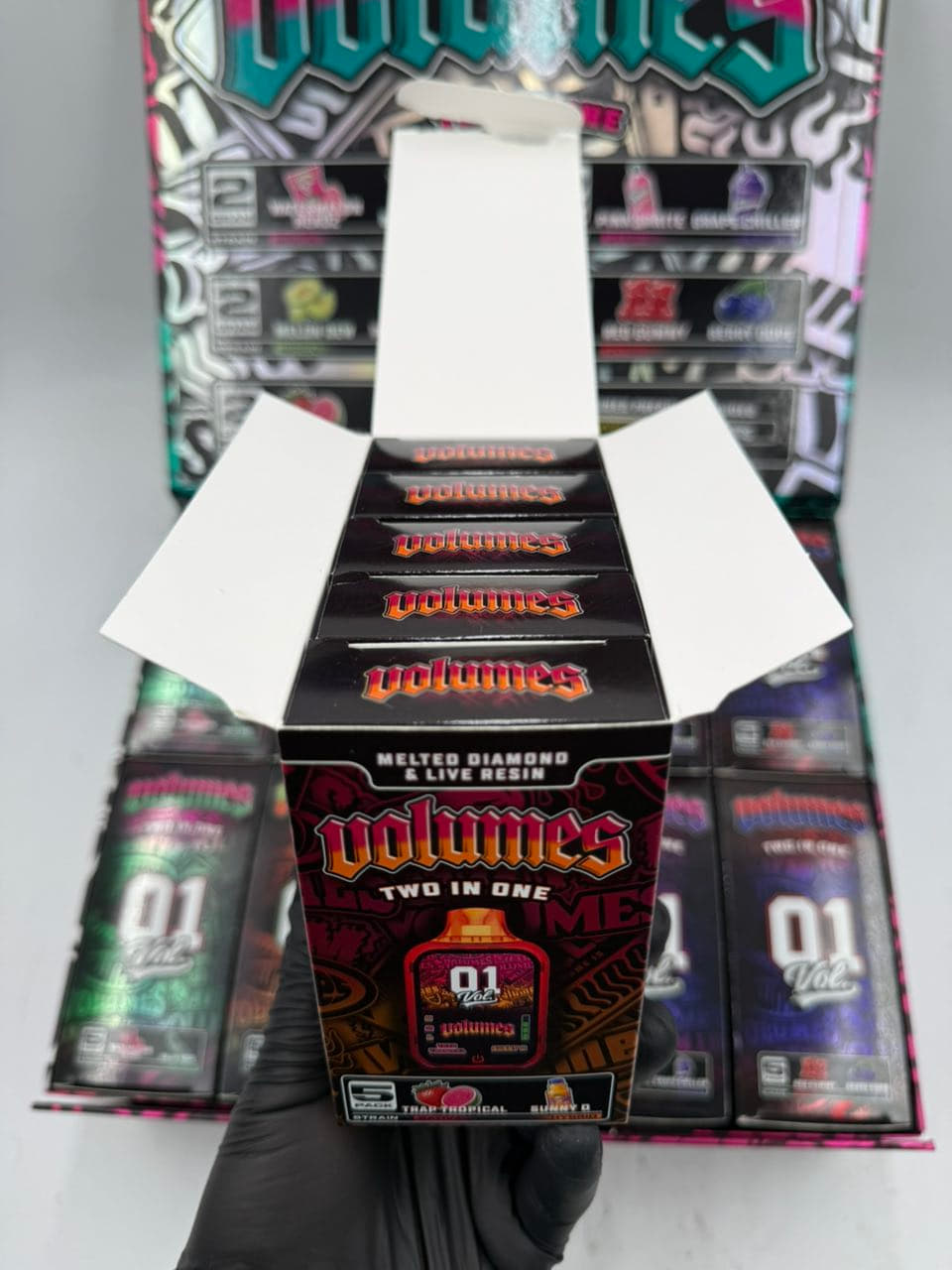
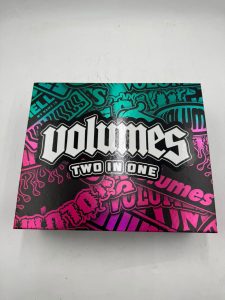
Packaging is more than an outer covering. It serves as an identification point and may contain important information regarding the product, manufacturer, applicable restrictions, and other relevant details. In regulated categories, packaging information can also provide instructions for appropriate handling and warnings about potential risks.
The packaging associated with a product may change over time. Different production batches can feature revised labels, updated compliance information, or altered visual elements. Therefore, packaging details should be documented according to the actual version being examined rather than assumed from an older image or description.
Furthermore, packaging provides a useful reference when discrepancies appear between a product listing and its physical presentation. Comparing the printed information with reliable documentation may help clarify whether the listing contains outdated or incomplete details.
Printed Product Information
Printed information can include several distinct categories. Each category serves a different purpose, and the information should be interpreted according to its context.
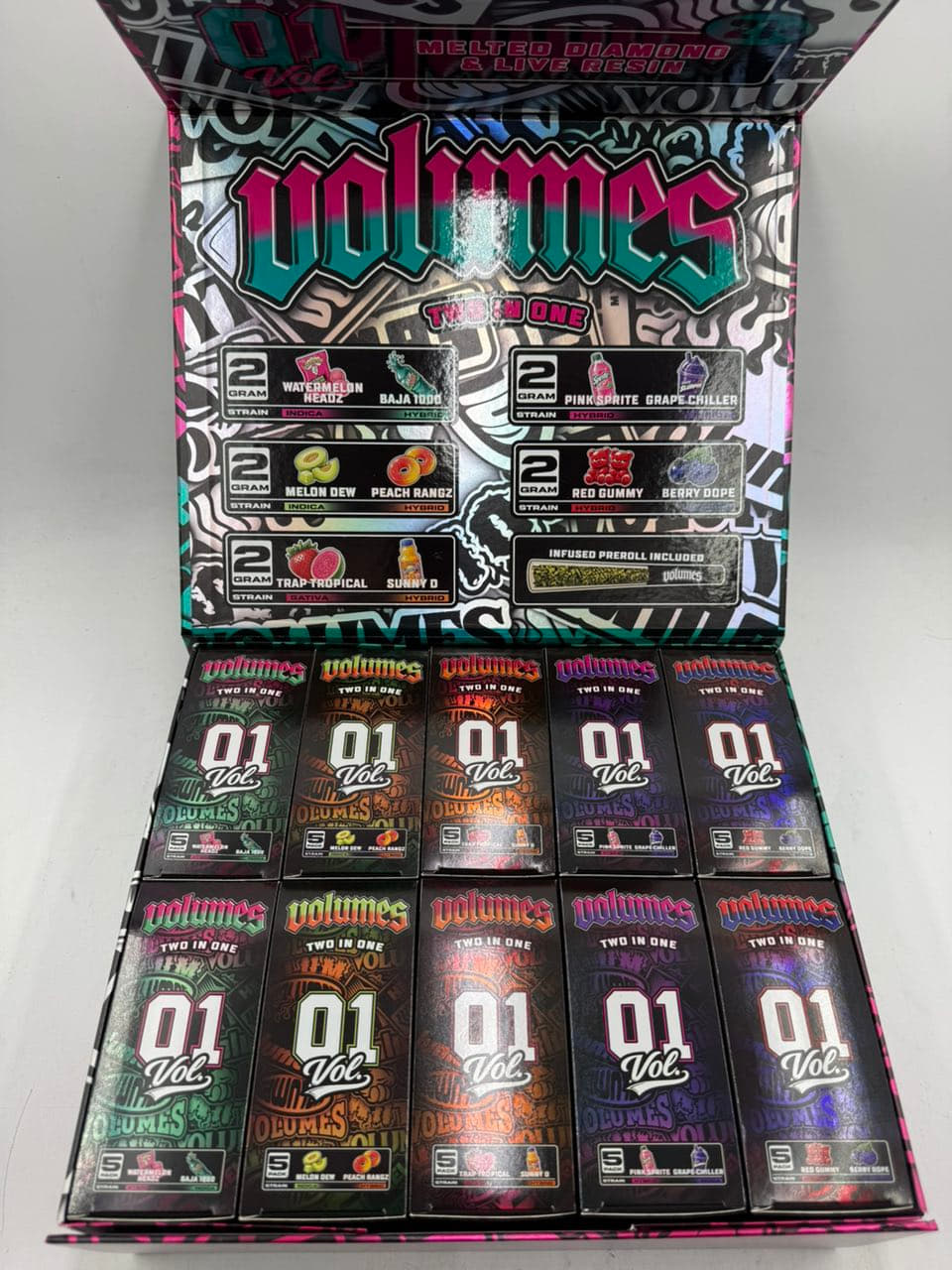
The product name identifies the item. Manufacturer details identify the responsible company where disclosed. Batch information may help distinguish one production lot from another. Warnings communicate important safety and legal considerations. Meanwhile, other printed details may relate to packaging, quantity, ingredients, or applicable regulatory requirements.
Not every package contains the same information in the same format. Consequently, documentation should reflect the actual packaging rather than an assumed universal design.
Packaging Differences Between Versions
Version changes may involve differences in artwork, printed text, packaging materials, or other manufacturer-defined details. These differences can occur for a variety of reasons, including design updates, regulatory revisions, or production changes.
Nevertheless, packaging differences should not automatically be interpreted as evidence of a particular technical improvement. A revised appearance does not necessarily establish that the underlying product has changed. Similarly, identical packaging does not guarantee that two items originated from the same production batch.
For accurate product documentation, the distinction between visual appearance and verified specifications remains important.
4. Product Records and Information Management
Maintaining Accurate Product Records
Accurate product records help maintain consistency between physical items, digital catalogues, and supporting documentation. In product-information management, a record should contain identifiable details that can be verified independently rather than relying entirely on a descriptive title.
The volumes V1 2G Disposable can be recorded under its exact product name, while additional fields provide the necessary context. This method helps prevent the accidental mixing of information from different products, versions, or manufacturers.
A structured record may include the date information was collected, the source of the information, the relevant product identifier, and any outstanding verification requirements. These details create a clearer documentation history.
Additionally, maintaining records in a consistent format can make future updates easier. When packaging changes or new manufacturer information becomes available, individual fields can be revised without rewriting the entire record.
Handling Unconfirmed Information
Some product listings contain details that have not been independently verified. Such information may originate from third-party descriptions, older packaging images, incomplete records, or assumptions based on a product name.
Unconfirmed information should be treated carefully. Instead of presenting uncertain specifications as established facts, product records can identify them as pending verification. This distinction supports transparent documentation and reduces the possibility of misleading statements.
For example, technical specifications should not be inferred solely from the appearance of a device. Likewise, ingredient information should not be copied from another product simply because the packaging or name appears similar.
Updating Product Information
Product information may become outdated as manufacturers revise packaging, labels, or documentation. A regular review process can help identify inconsistencies and correct outdated records.
During a review, the product name, version designation, printed details, and available manufacturer information can be compared. Any discrepancies should be documented before the record is updated.
As a result, product information remains more dependable over time. A clear update history also helps explain why an earlier description may differ from the current record.
5. Label Interpretation and Transparency
Why Label Accuracy Matters
Labels communicate important information in a limited amount of space. Because of this, every printed detail should be interpreted carefully and in the context of the product it identifies.
Labels may include product names, quantity declarations, warnings, manufacturer details, and other information required by applicable regulations. However, the presence of a particular label or symbol does not automatically establish product authenticity or independent quality verification.
Clear interpretation requires attention to the source, the wording, and the context of the information. In addition, labels should not be treated as substitutes for reliable manufacturer documentation where further verification is necessary.
Distinguishing Product Claims From Confirmed Details
Product descriptions sometimes contain claims about materials, contents, technology, performance, or quality. These statements should be evaluated according to whether reliable supporting information is available.
A confirmed specification differs from an advertising statement. A manufacturer-provided technical detail may be useful for identification, whereas an unsupported claim may offer little reliable information.
Therefore, responsible documentation avoids overstating what is known. It separates factual product identifiers from subjective language and unverified claims.
Clear and Responsible Communication
Clear communication benefits readers by reducing ambiguity. Product information should use straightforward wording, avoid unnecessary technical jargon, and explain abbreviations where appropriate.
Moreover, responsible communication should acknowledge limitations. When a detail cannot be confirmed, that uncertainty should remain visible instead of being concealed through confident wording.
A transparent approach can improve the quality of product records and make information easier to understand for readers with different levels of familiarity.
6. Electronic Components and Environmental Considerations
Electronic Waste Awareness
Disposable electronic products may contain materials that require special handling when they reach the end of their useful life. Depending on their construction, these items may contain batteries, electronic circuitry, plastics, metals, or other components that should not be treated as ordinary household waste.
Environmental responsibility is an important consideration when documenting disposable devices. Improper disposal can contribute to electronic waste, while damaged batteries may present additional hazards.
Where appropriate, local electronic-waste collection programs can provide information about suitable disposal options. Furthermore, waste-management requirements may differ by location, so local regulations remain the most relevant reference.
Battery and Electronic Safety
Battery-powered products require awareness of potential electrical and heat-related hazards. Damaged, leaking, swollen, or unusually hot battery components should be treated cautiously.
Product safety information should be based on the manufacturer’s documented warnings. General assumptions about battery construction or protection features should not replace verified specifications.
Responsible Disposal
Responsible disposal involves recognizing that electronic products may contain components that require specialized processing. Local recycling services, designated electronic-waste facilities, or applicable collection programs may provide guidance.
Environmental considerations also extend to packaging. Separating recyclable packaging materials where local systems permit may help reduce unnecessary waste.
Disposable electronic products may contain batteries and electronic components. Appropriate waste handling can help reduce environmental impact and avoid hazards associated with improper disposal.
Establishing a Consistent Catalog Structure
A well-organized product catalog depends on consistency, accuracy, and clear identification. Each product entry should follow a recognizable structure so readers can locate information without navigating through unrelated details. Moreover, consistent formatting reduces the possibility of confusing products that share similar names or identifiers.
The Volumes V1 2G Disposable can be documented using a standardized catalog format that separates the product name, version designation, packaging details, and verified specifications. This structure creates a clearer reference for maintaining product records.
Catalog standards also help preserve information when records are transferred between systems. A product description that follows a consistent format is easier to review, update, and compare than an entry containing unrelated information in a single paragraph.
Product Naming Conventions
Product names should remain consistent throughout a catalog. Changes in capitalization, spacing, punctuation, or abbreviation can create unnecessary differences between entries that refer to the same item.
A standardized naming convention helps establish a single reference title. However, alternative names may still be documented where they appear on verified packaging or manufacturer records.
The product name should not be expanded with unsupported technical terms. Descriptive additions may make a title appear more detailed, but accuracy remains more important than unnecessary complexity.
Separating Product Information Into Categories
Product information becomes easier to maintain when it is separated into clearly defined categories. Identification details, technical specifications, packaging information, compliance information, and general documentation can each be maintained independently.
This arrangement makes updates more efficient. If a packaging label changes, the packaging section can be revised without altering unrelated information. Likewise, a correction to a manufacturer detail does not require the entire product description to be rewritten.
Additionally, separating categories helps reviewers recognize missing information. A blank field indicates that a detail has not yet been documented, while a completed field provides a reference for further verification.
Maintaining Catalog Integrity
Catalog integrity depends on accurate records and careful updates. Products should not be merged simply because their names resemble one another. Differences in version identifiers, manufacturer details, packaging, or other verified specifications may indicate that separate entries are necessary.
Furthermore, duplicate records can create confusion when they contain conflicting information. A periodic review can help identify duplicates and determine which record should remain the primary reference.
Catalog integrity is therefore not only a matter of appearance. It involves preserving reliable information and maintaining a clear relationship between product entries and their supporting documentation.
9. Information Verification and Source Reliability
Understanding the Value of Reliable Sources
Product documentation is most useful when its information comes from dependable sources. Manufacturer records, original packaging, applicable regulatory information, and official product documentation may provide a stronger basis for identifying a product than incomplete third-party descriptions.
Different sources may present different details. For instance, an older catalog entry may contain information that no longer matches the current packaging. Therefore, the source and date of the information can be important when reviewing discrepancies.
Source reliability should be considered alongside the information itself. A detailed statement is not necessarily accurate simply because it sounds technical or appears repeatedly on multiple websites.
Comparing Available Information
Comparing product records can help reveal differences that require further examination. The comparison may involve product names, version designations, printed details, batch identifiers, manufacturer information, or other documented characteristics.
When a discrepancy appears, the conflicting details should be recorded rather than immediately resolved through assumptions. Additional verification may be required before a record can be considered complete.
This process supports a more transparent information-management approach. Instead of silently replacing one detail with another, the record can show what changed and why the update was made.
Documentation Dates
Information may become less reliable as time passes, particularly when packaging or labeling changes. Recording the date when a specification was reviewed can help distinguish current documentation from older information.
A date does not automatically establish accuracy, but it provides useful context. When a product record is reviewed again, the previous review date can indicate whether the information requires renewed verification.
Correcting Inaccurate Records
Corrections should be made carefully and consistently. If a product record contains an incorrect identifier, unsupported claim, or outdated detail, the correction should be based on reliable information.
Where possible, the original entry and the corrected information should remain traceable through an update history. This can help reviewers understand why the record changed and reduce the risk of repeating an earlier mistake.
10. Consumer Awareness and General Information
Understanding Product Information Before Making Decisions
Written product information can influence how people understand an item. For that reason, descriptions should communicate verified details without overstating certainty or creating unrealistic expectations. Clear language allows readers to distinguish factual information from opinions, assumptions, or unsupported statements.
The Volumes V1 product name alone does not establish its composition, quality, safety, manufacturing standards, or intended effects. Those details require appropriate supporting documentation. Similarly, product labels should be read in their entirety rather than interpreted through isolated words or numerical identifiers.
Consumer awareness also includes understanding the legal restrictions that may apply to regulated products. Laws can differ substantially between countries, regions, and jurisdictions. Consequently, legal information should be based on the rules applicable to the reader’s location.
Avoiding Misleading Information
Misleading information can arise from exaggerated statements, incomplete specifications, inaccurate comparisons, or descriptions that suggest guarantees without evidence. Product documentation should avoid these problems by using precise language and clearly identifying the source of important details.
Additionally, a product description should not imply that a particular product is risk-free. Regulated products may carry health, environmental, or legal considerations that cannot be adequately represented through appearance or packaging alone.
Responsible Information Presentation
Responsible presentation focuses on clarity, accuracy, and context. Product identifiers can be presented directly, while technical details can be included only when verified.
Where information is incomplete, an honest explanation is more useful than an invented specification. This principle supports better documentation and reduces the risk of readers misunderstanding what a product listing actually establishes.
11. Storage, Handling, and Recordkeeping Awareness
Storage Information
Storage requirements should be based on applicable manufacturer information. Product packaging may provide specific instructions concerning environmental conditions, protection from damage, or other considerations.
General storage assumptions should not be substituted for manufacturer guidance. Furthermore, regulated products should be kept away from children, unauthorized individuals, and anyone for whom access is restricted by law.
Handling Considerations
Handling information should reflect the nature of the product and any documented safety precautions. Damaged packaging, unusual physical conditions, or compromised electronic components may require additional caution.
A product-information record can note the condition in which an item was documented. This helps distinguish an intact packaged item from one with damaged, missing, or altered packaging.
12. Environmental Responsibility and Disposable Products
Disposable electronic devices raise environmental considerations because their materials may require specialized collection or processing. Electronic components, battery materials, plastics, and other substances can create waste-management challenges when products are discarded improperly.
Environmental responsibility therefore extends beyond the initial packaging. The entire lifecycle of a disposable item can be relevant, including materials, waste generation, collection, and recycling options.
Recycling and Waste Reduction
Waste-management practices vary by location. Some communities offer designated collection points for electronic products, while others provide specific guidance for battery-containing items.
Where recycling programs are available, their instructions should be followed carefully. Ordinary waste bins may not be suitable for products containing electronic components or batteries.
In addition, accurate disposal information can help readers understand that disposable electronics are not necessarily appropriate for conventional recycling streams.
Environmental Information in Product Records
Environmental information can be documented separately from other product details. This section may identify packaging materials, available recycling information, relevant disposal guidance, and verified environmental statements.
However, environmental claims should also be verified. A product should not be described as recyclable, environmentally friendly, or sustainable unless reliable evidence supports that statement.
13. Product Documentation Standards
Building a Reliable Information Page
A reliable product-information page should provide a clear overview of the item while keeping its details organized. Readers should be able to identify the product, understand the available information, and recognize which specifications have been verified.
The Volumes V1 2G Disposable can be documented using a structured layout containing its product name, identification details, packaging information, applicable warnings, and manufacturer references. Each section should contain information relevant to its heading rather than repeating the same details throughout the page.
A structured document also makes future updates easier. When new information becomes available, the relevant section can be revised without introducing inconsistencies elsewhere.
Maintaining Clear Language
Clear language is particularly important when product information includes abbreviations, technical terminology, or numerical identifiers. Familiar words and concise explanations can help readers understand the information without unnecessary complexity.
Technical terminology should be used only when it adds meaningful context. In addition, abbreviations should be explained whenever their meaning may not be obvious to the intended audience.
Separating Facts From Opinions
Product records benefit from a distinction between objective information and subjective commentary. Identifying details, packaging references, and verified specifications can be recorded as facts. Opinions or interpretations, when included in a permitted informational context, should be identified appropriately.
This distinction helps prevent subjective statements from being mistaken for technical information.
14. Frequently Asked Documentation Questions
What information belongs in a product record?
A product record may contain its identification, verified manufacturer information, version designation, packaging details, batch references, documentation dates, and applicable compliance information.
Why should product descriptions avoid unsupported claims?
Unsupported claims can misrepresent a product. Accurate descriptions should reflect verified information and clearly identify details that remain uncertain.
Why are product versions documented separately?
Different versions may contain different labels, packaging, or specifications. Separate records can help prevent information from one version being incorrectly applied to another.
What is the purpose of a documentation review?
A documentation review helps identify outdated information, missing details, conflicting statements, and inaccuracies that may need correction.
Why is product packaging examined?
Packaging may provide product identification, manufacturer references, quantity declarations, warnings, and other relevant information.
How should uncertain specifications be recorded?
Uncertain specifications should be identified as unverified rather than presented as established facts.
Why does electronic waste require consideration?
Disposable electronic products may contain batteries or components that require special waste-handling procedures.
What is the importance of consistent naming?
Consistent naming helps maintain accurate catalogs, reduce duplicate records, and distinguish products with similar identifiers.
15. Closing Documentation Summary
The Volumes V1 2G Disposable product name provides a reference for identifying a particular item and its stated version or quantity designation. However, the name itself does not confirm every technical specification, ingredient, manufacturing detail, or product characteristic.
Accurate documentation relies on dependable sources, careful verification, consistent recordkeeping, and transparent communication. Furthermore, regulated-product information should acknowledge applicable laws, health considerations, age restrictions, and environmental responsibilities.
A clear information page is ultimately defined by the quality of its documentation. Verified details, appropriate terminology, and responsible presentation provide a more dependable foundation than unsupported claims or repetitive descriptions.





Reviews
There are no reviews yet.