Product Overview
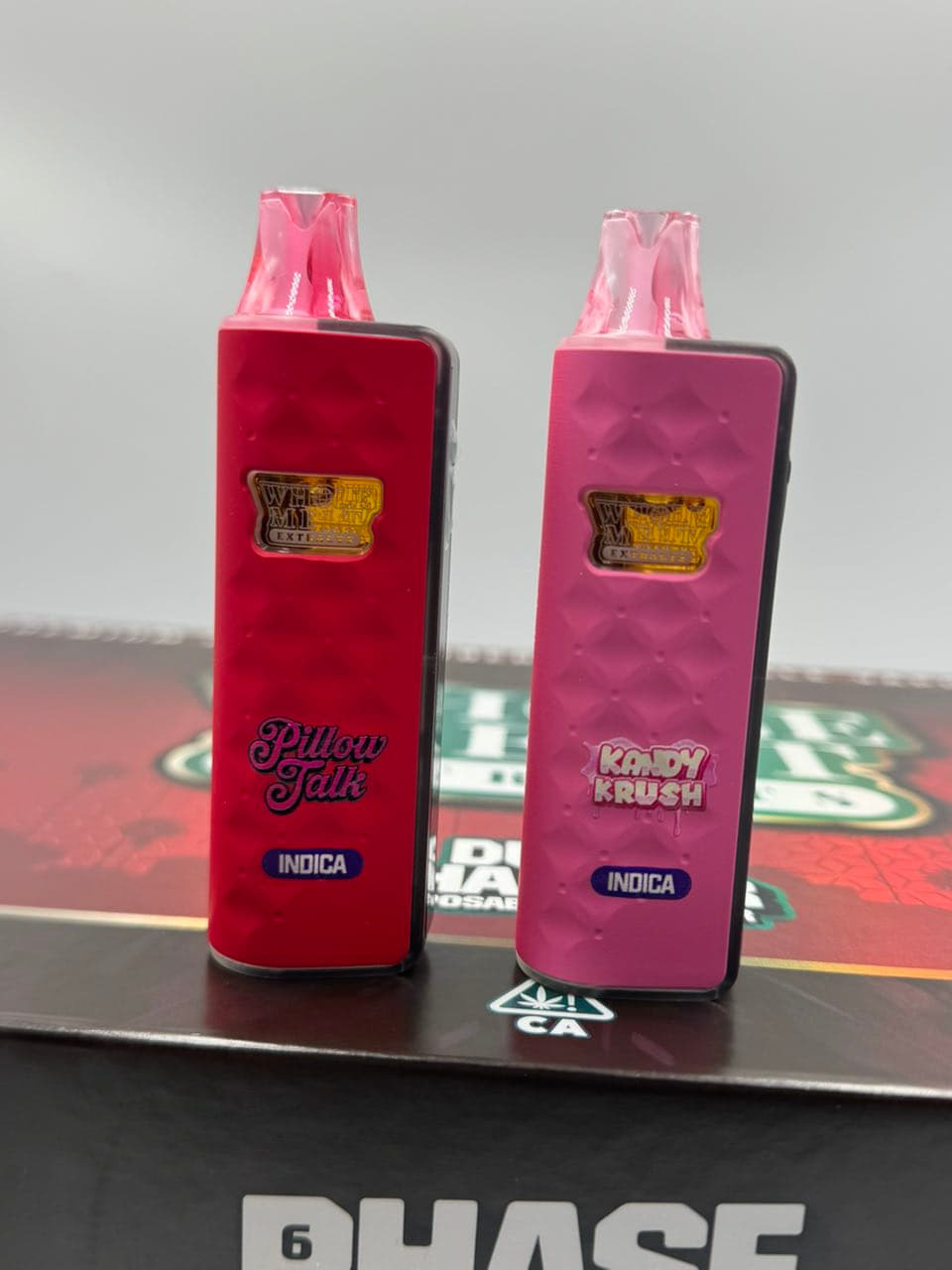
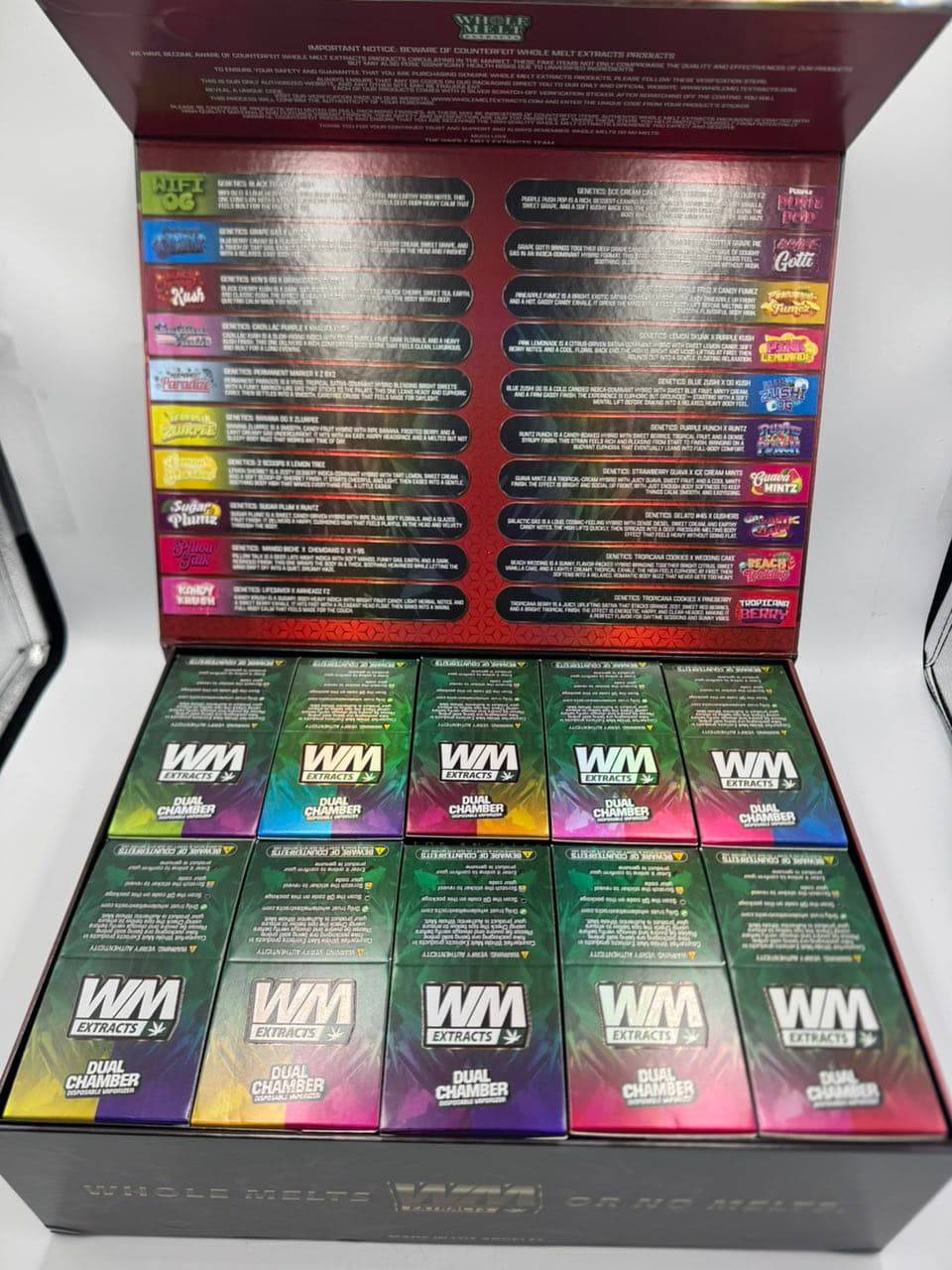
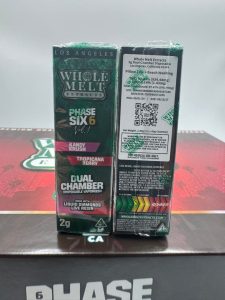
The Whole Melt Phase Six V1 2G Disposable is a product name associated with a disposable vapouriser format. Its name identifies the Whole Melt branding, Phase Six V1 product designation, and a stated two-gram capacity. These details provide a basic starting point for understanding the product category, although the name alone does not verify its ingredients, hardware specifications, authenticity, or manufacturing standards.
Disposable vaporiser products combine a power source, heating component, internal reservoir, and airflow system within a compact device. Depending on the specific model, these components may vary in design and functionality. Therefore, information about a particular version should come from its packaging, manufacturer documentation, and verifiable product testing rather than assumptions based on the product name.
Understanding the Phase Six V1 Designation
The Phase Six V1 designation appears to identify a particular version within a branded product series. Product naming systems often distinguish different generations, editions, hardware configurations, or packaging variations. However, version names are not standardised across manufacturers.
Consequently, the V1 designation should not automatically be interpreted as evidence of improved technology, greater reliability, or a specific performance advantage. Confirmed technical documentation is more useful when evaluating what distinguishes one version from another.
Understanding the Two-Gram Label
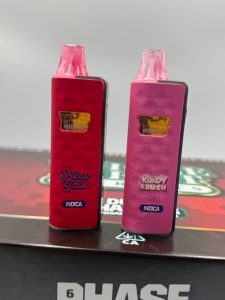
The 2G designation generally refers to a stated two-gram quantity of material associated with the product. Nevertheless, a quantity printed on packaging should not be confused with a verified laboratory measurement or an independently confirmed description of the contents.
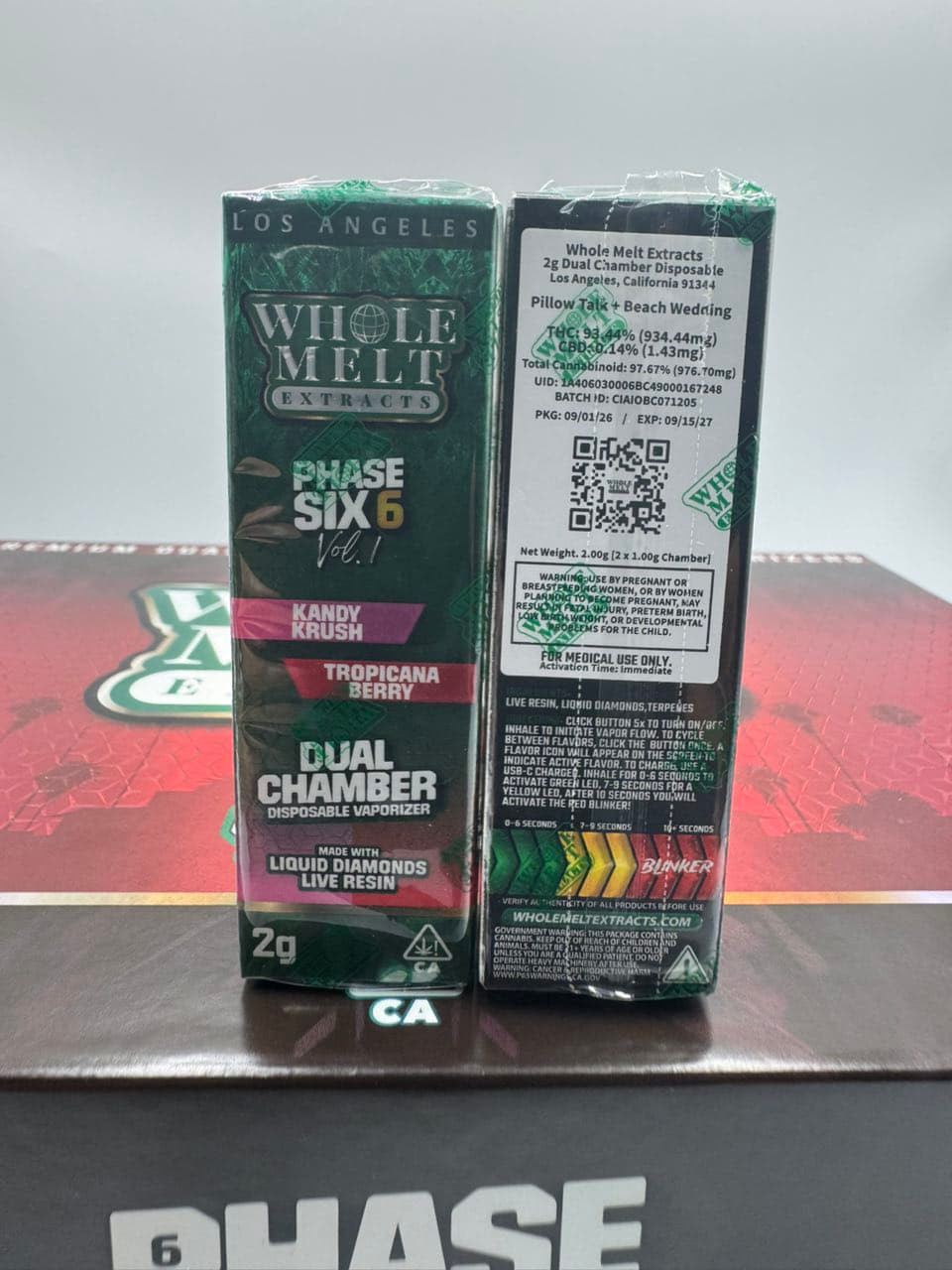
Product labels may include information about the contents, manufacturing details, batch numbers, warnings, and other identification information. The accuracy and completeness of these details can vary considerably between products and sellers.
For this reason, packaging information should be considered alongside independent testing documentation, where available.
Disposable Device Components
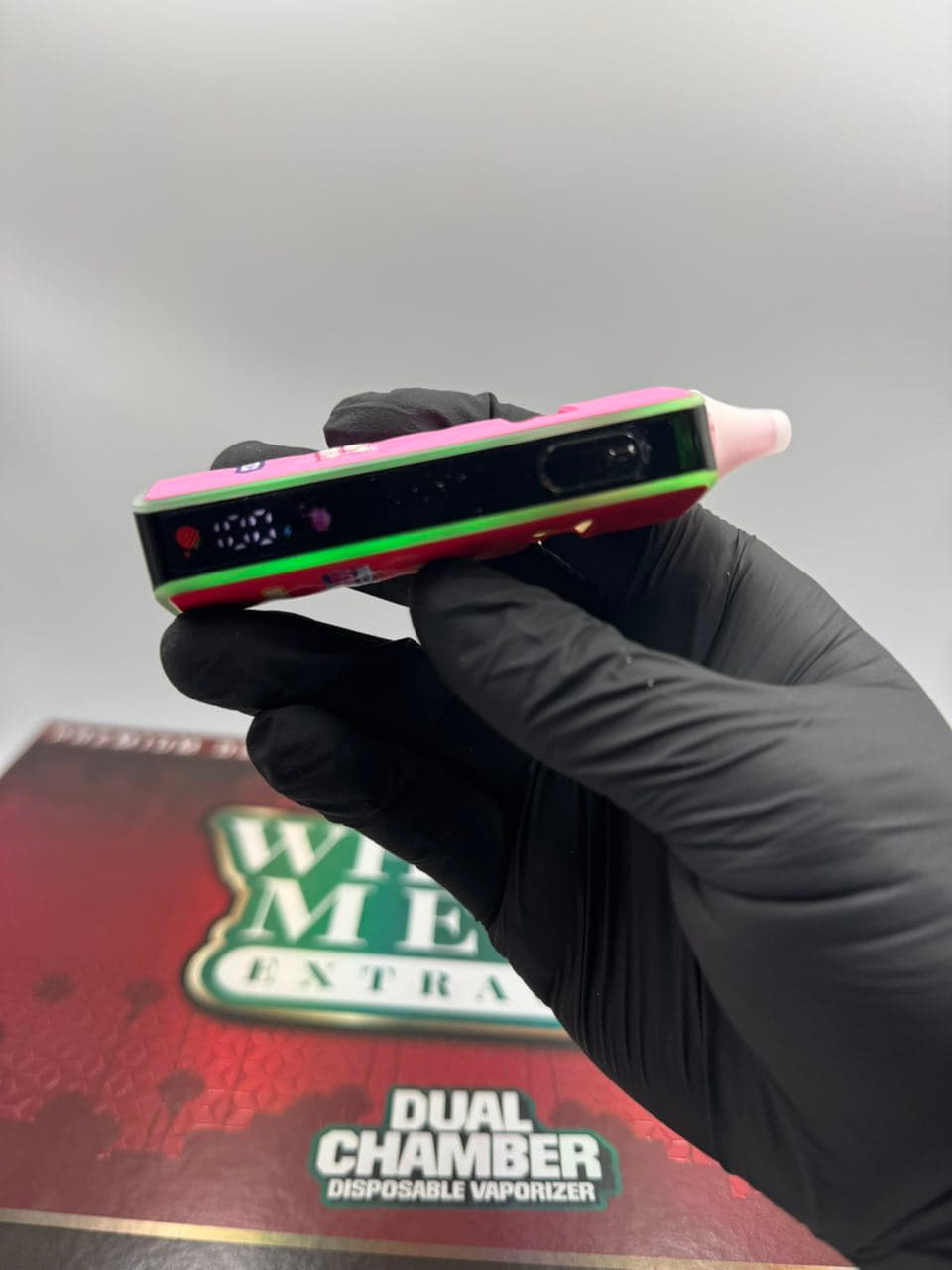
Disposable vaporiser devices commonly contain several integrated components. Their specific construction may differ between manufacturers and versions.
Battery
The battery provides electrical power to the device. Battery capacity, charging features, protection systems, and electrical specifications are not necessarily identical across different disposable models.
Battery-related information is particularly important because damaged or poorly manufactured lithium-ion batteries may create risks such as overheating, fire, or electrical failure.
Heating Component
A heating element is responsible for producing heat within the device. Different products may use different materials, structures, or temperature-control arrangements.
Without verified technical specifications, the exact heating material and operating characteristics of the Whole Melt Phase Six V1 cannot be reliably established.
Internal Reservoir
Disposable vapouriser products typically contain an internal reservoir intended to hold the material associated with the product. Reservoir design, material compatibility, construction quality, and leakage protection can influence device safety.
A product’s stated capacity does not independently establish that the reservoir is manufactured to consistent standards.
Airflow Structure
The airflow system is the pathway through which air moves within the device. Its design can vary, and its construction may influence how the device functions.
Airflow components should remain free of visible damage, contamination, or obstructions. However, apparent cleanliness does not confirm that a device is safe or that its contents are accurately identified.
Product Identification and Authenticity
Brand names, printed labels, visual designs, and packaging details are not sufficient by themselves to verify authenticity. Counterfeit products can reproduce logos, colours, labels, and packaging styles.
Reliable product identification may require a combination of manufacturer information, legitimate distribution records, batch identification, and independently verifiable documentation.
A product that appears consistent with a particular edition may still have an unknown origin. This is especially relevant when products are sold through informal channels or when packaging and documentation cannot be independently confirmed.
Packaging and Label Information
Packaging can provide important information about the product’s identity and claimed specifications. Depending on the jurisdiction and product category, labels may include ingredient information, warnings, manufacturer details, batch identification, age restrictions, or other regulatory disclosures.
Missing, inconsistent, altered, or unreadable labelling can make it difficult to determine what a product contains or where it originated.
Ingredient Transparency
The product name does not establish its chemical composition. Ingredients, concentrations, additives, contaminants, and manufacturing processes require reliable documentation.
A product’s appearance, smell, colour, viscosity, or packaging cannot establish chemical purity. Likewise, a seller’s description is not a substitute for independent laboratory testing.
When laboratory documentation is available, its relevance depends on whether it corresponds to the exact product, batch, and manufacturer being examined.
Laboratory Testing and Quality Verification
Independent laboratory testing can help identify the contents of a product and assess certain contaminants. Nevertheless, the value of a laboratory report depends on the testing methods, laboratory qualifications, sample identity, and report authenticity.
A document that does not clearly identify the product or batch may not establish anything about the contents of a particular item.
Quality verification is therefore a matter of documentation rather than appearance or branding.
Storage and Environmental Conditions
Environmental conditions can affect batteries, packaging, and the chemical stability of various materials. Heat, direct sunlight, moisture, and physical damage may contribute to deterioration.
Storage conditions should follow verified manufacturer safety instructions and applicable regulations. Products should also be kept away from children, pets, and anyone who could accidentally access or ingest their contents.
General Safety Considerations
Vapouriser products may carry health risks, particularly when their contents, manufacturing quality, or source are uncertain. In addition, inhaled substances can affect the respiratory system and may produce unwanted physical or psychological effects.
Unverified products can pose additional risks because their contents may differ from what their labels claim.
Product information should not be treated as proof of safety, and no disposable device should be assumed harmless based solely on its design or branding.
Battery Safety and Disposal
Electronic disposable products may contain lithium-ion batteries and other materials that require appropriate disposal.
Damaged batteries may present fire or overheating hazards. Electronic devices should not automatically be placed in ordinary household waste when local regulations provide designated battery or electronic-waste collection services.
Disposal requirements vary by location, so local environmental guidelines should be consulted.
Legal and Regulatory Considerations
Rules governing vaporiser products vary between countries, regions, and municipalities. Requirements may address product composition, age restrictions, possession, transportation, distribution, packaging, labelling, and sales.
The legal status of a particular product cannot be determined solely from its name or packaging. Local laws and applicable regulatory guidance provide the relevant information.
The Whole Melt Phase Six V1 2G Disposable is identified by a product name that describes its brand, version designation, and stated capacity. However, these identifiers do not independently confirm authenticity, chemical composition, technical construction, or safety.
Accurate information about the specific product depends on verifiable documentation, transparent labelling, reliable sourcing, and appropriate independent testing. These distinctions are important when assessing any product whose contents and manufacturing details cannot be confirmed through its appearance alone.
Manufacturing Transparency and Product Traceability
Manufacturing transparency plays an important role in understanding any packaged consumer product. A clearly documented supply chain helps establish where a product originated, how it was manufactured, and which quality procedures were applied during production. In products containing inhalable materials, this information becomes particularly important because the contents cannot be reliably evaluated through appearance alone.
The Whole Melt Phase Six V1 2G Disposable name identifies a particular product presentation, but the name itself does not establish the manufacturing location, production date, source of materials, or quality-control standards. Those details require verifiable documentation.
Furthermore, traceability helps distinguish legitimate product records from incomplete or misleading information. A consistent batch number, manufacturer identification, and supporting records may provide useful information when a product is evaluated. However, documentation should correspond to the actual item rather than a similar product or a different version.
Understanding Product Consistency
Product consistency refers to whether items produced under the same designation have comparable composition, construction, labelling, and quality characteristics. In a properly documented manufacturing environment, consistency is evaluated through established procedures rather than assumptions.
Nevertheless, identical packaging does not guarantee identical contents. Products bearing similar labels may originate from different sources, and manufacturing differences may not be visible to consumers.
For that reason, product consistency remains a matter of verification. Records, testing, and traceability are more meaningful than visual similarity.
Quality-Control Documentation
Quality-control documentation may include records concerning materials, production conditions, inspections, testing, packaging, and product identification. These records help explain what was evaluated and whether the product was subject to defined standards.
A complete quality-control system generally aims to identify inconsistencies before products reach the distribution stage. However, the existence of a label or certificate does not necessarily establish that every item received the same level of inspection.
The reliability of documentation depends on its origin, accuracy, scope, and connection to the product being assessed.
Packaging Integrity
Packaging integrity concerns the condition of a product’s exterior container and any protective elements intended to preserve its condition during handling or storage.
Visible damage, compromised seals, unusual markings, or missing information may raise questions about product handling and authenticity. Still, intact packaging cannot independently establish the quality or safety of the material inside.
Packaging should therefore be considered one part of product assessment rather than a complete verification method.
Product Information and Consumer Awareness
Accurate product information supports informed decision-making. Consumers may encounter descriptions that include product names, version labels, stated quantities, manufacturing claims, and general device information.
These details can sometimes be incomplete or inconsistent. In addition, descriptions copied between websites may repeat unverified statements without providing independent evidence.
Separating confirmed information from claims is essential. A clearly written product record should distinguish known facts, manufacturer statements, and information that has not been independently verified.
Understanding Unverified Claims
Descriptions sometimes use language suggesting purity, advanced technology, exceptional quality, or special manufacturing standards. Such claims should be supported by evidence when they relate to measurable characteristics.
A product description alone does not establish laboratory results, material quality, battery performance, or manufacturing compliance.
Similarly, a branded appearance should not be interpreted as confirmation of authenticity. Independent records remain more informative than promotional language.
Environmental Responsibility
Electronic disposable products can create environmental concerns because they may combine plastics, electronic components, batteries, and other materials.
Improper disposal may contribute to waste management problems, while damaged batteries can present additional hazards. Therefore, electronic-waste handling and local disposal requirements are important considerations.
Environmental responsibility involves understanding the materials used, recognizing disposal limitations, and following appropriate local collection practices.
Responsible Information Standards
Reliable informational content should be clear, factual, and appropriately qualified. It should avoid presenting unverified specifications as established facts or implying that a product is safe simply because it is packaged and labeled.
This approach also supports transparency by making it easier to distinguish product identification from claims about composition, performance, or quality.
The Whole Melt Phase Six V1 2G Disposable can be identified by its product name and stated format, but its precise composition, origin, manufacturing quality, and technical characteristics cannot be established from that designation alone.
A meaningful evaluation relies on transparent records, independently verifiable information, accurate labeling, and an understanding of the potential risks associated with disposable electronic devices and inhaled substances.
Consumer Awareness and Product Recognition
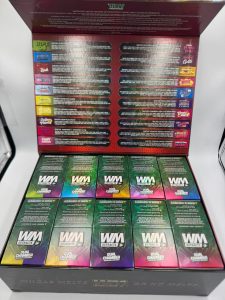
Consumer awareness begins with understanding the difference between a product’s name, its advertised characteristics, and independently verified information. The Whole Melt Phase Six V1 2G Disposable name may appear across different listings, descriptions, or packaging presentations. However, similar names do not necessarily mean that every item comes from the same source or has identical characteristics.
In today’s online marketplace, product information can be copied between websites without being independently checked. As a result, descriptions may contain outdated specifications, inaccurate details, or statements that have never been confirmed. This makes reliable documentation particularly important.
A careful approach to product identification involves examining available information critically. Manufacturer details, packaging consistency, batch identification, and independent records can provide context. Nevertheless, no single visual feature can conclusively prove authenticity or safety.
The Importance of Authenticity Awareness
Authenticity concerns extend beyond logos and packaging. They involve whether a product originates from a legitimate source and whether its identity, contents, and documentation can be verified.
Counterfeit products may imitate familiar branding, use similar color schemes, or reproduce packaging details. Furthermore, some imitations may appear convincing while providing little reliable information about their contents or manufacturing conditions.
This uncertainty can make counterfeit identification difficult. A product may look authentic without being genuine, while unusual packaging alone does not always establish that it is counterfeit. Independent verification is more meaningful than appearance-based conclusions.
Understanding Potential Health Risks
Inhaled products may expose the respiratory system to substances that cause irritation or other unwanted effects. The nature and severity of those effects may depend on the contents, exposure, individual health factors, and product quality.
Some substances can also affect concentration, coordination, reaction time, mood, and perception. These effects may create additional risks during activities that require attention or sound judgment.
Unverified products introduce another layer of uncertainty because their actual contents may not correspond to their labels. Consequently, unknown ingredients or contaminants may present risks that cannot be predicted from the product’s branding.
Respiratory Considerations
The respiratory system is sensitive to inhaled particles, vapors, and chemical compounds. Exposure may be associated with coughing, throat irritation, chest discomfort, breathing difficulties, or other symptoms.
Although different products can produce different effects, the absence of immediate discomfort does not necessarily indicate that exposure is harmless.
Persistent coughing, chest pain, or difficulty breathing following exposure warrants medical attention. Severe breathing difficulty requires emergency assistance.
Mental and Physical Effects
Certain inhaled substances can affect mental and physical functioning. Potential effects may include changes in perception, memory, attention, alertness, coordination, or emotional state.
The experience can differ significantly between individuals. In addition, unknown concentrations or unexpected ingredients may make effects difficult to anticipate.
Activities involving driving, machinery, heights, or other safety-sensitive situations may become dangerous when judgment or coordination is impaired.
Battery and Electronic Device Awareness
Disposable electronic devices may contain rechargeable or non-rechargeable lithium-based batteries, depending on their design. Batteries can become hazardous when damaged, exposed to unsuitable conditions, or manufactured without adequate safety controls.
A damaged electronic device should be treated cautiously. Battery-related hazards can develop even when a device appears relatively small or simple.
Product Storage and Access Prevention
Storage considerations extend beyond preserving the exterior condition of a product. Electronic devices and potentially hazardous contents should be kept inaccessible to children and pets.
Accidental ingestion, contact with unknown materials, or access to electronic batteries can result in serious harm. Clear separation from everyday household items may reduce the likelihood of accidental exposure.
Storage should follow applicable manufacturer safety information and local requirements.
Frequently Asked Questions
What does Phase Six V1 mean?
Phase Six V1 appears to be a product-series and version identifier. It does not establish specific technical features or performance characteristics without supporting documentation.
What does 2G mean in the product name?
The 2G designation generally represents a stated two-gram quantity associated with the product. However, the label alone does not independently verify the actual contents or measured quantity.
Is the product authentic?
Authenticity cannot be established through the product name or packaging alone. Reliable verification requires trustworthy sourcing and documentation connected to the specific product.
Does the name confirm the ingredients?
No. Product naming does not establish chemical composition, ingredient concentrations, purity, or the absence of contaminants.
Can packaging confirm product safety?
Packaging may provide useful identification and warning information, but intact packaging cannot independently prove that the contents are safe or accurately labeled.
Are all products with the same name identical?
Not necessarily. Similar names or packaging may be used for products from different sources, batches, or manufacturing environments. Independent verification is necessary to establish whether products are comparable.
Why is batch information important?
Batch identification can help connect an item to production records, testing documentation, and other traceability information. However, a printed batch number is useful only when it can be reliably verified.
What should happen if an electronic device appears damaged?
Visible damage, unusual heat, leakage, or battery abnormalities should be treated seriously. A damaged device may pose an electrical, chemical, or fire hazard, and appropriate local disposal guidance should be followed.
Why does independent testing matter?
Independent testing can provide information that cannot be established through appearance or seller descriptions. Its reliability depends on the laboratory, methodology, documentation, and whether the results correspond to the specific item or batch.
Does a product description guarantee quality?
No. Written descriptions can explain product identification and reported characteristics, but they cannot guarantee manufacturing quality, authenticity, chemical composition, or safety.
Closing Information
Understanding the Whole Melt Phase Six V1 2G Disposable requires separating its product designation from claims about its contents and construction. Transparent information, reliable documentation, consumer awareness, and appropriate safety considerations provide a more meaningful foundation for evaluating unfamiliar products.
The most important distinction is that product appearance and branding are not substitutes for verified evidence. Accurate information should remain clear about what is known, what is claimed, and what remains uncertain.
Reviews
There are no reviews yet.