Product Overview
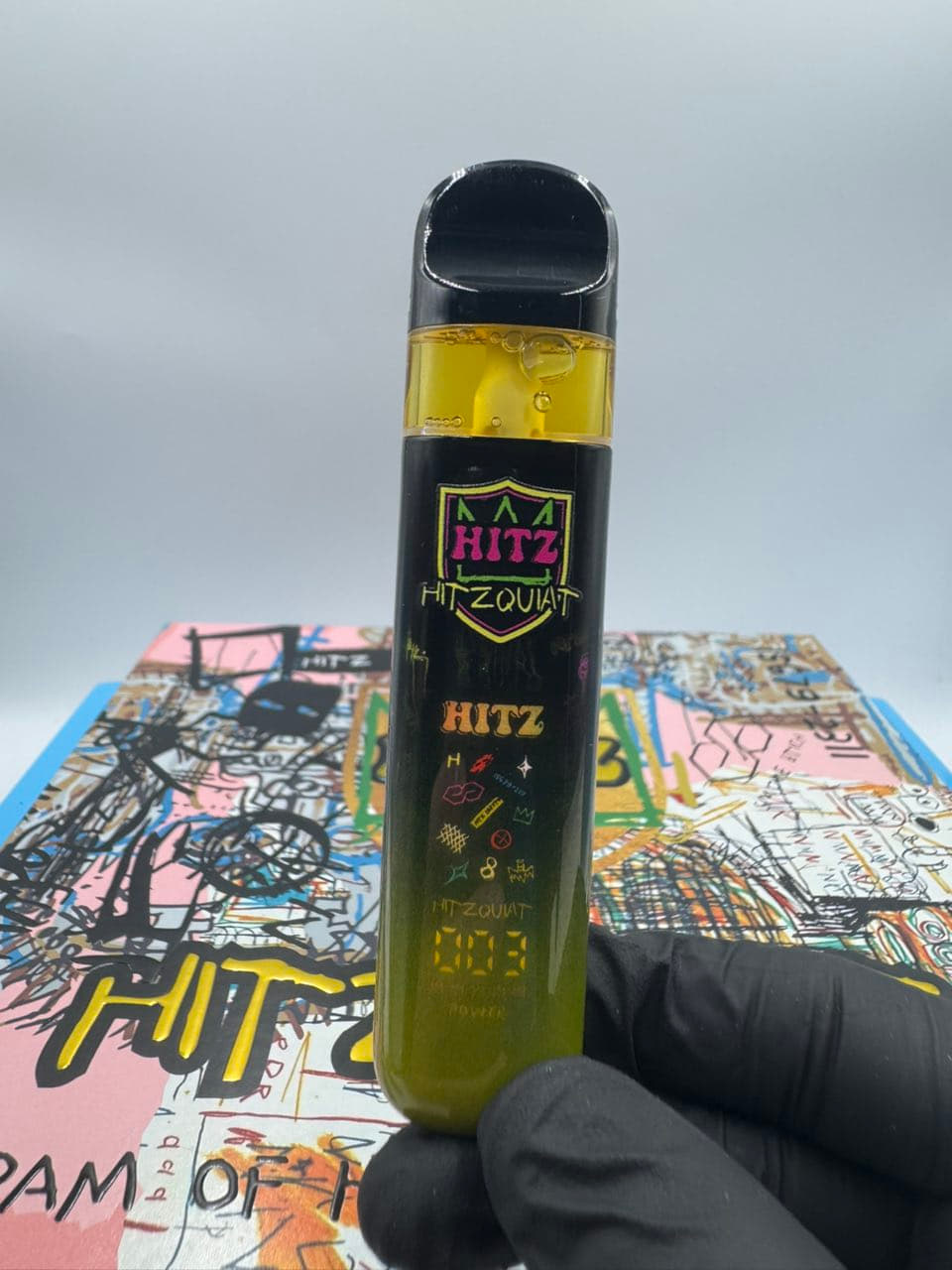
Hitzquiat 2G Disposable is a product name associated with the disposable cannabis vape category. Products within this category are generally presented as compact, self-contained electronic devices that combine a battery, a heating component, and a prefilled reservoir within one unit. The Hitzquiat name and 2G designation identify the particular listing, although product specifications, formulation, and manufacturing details require confirmation from the packaging or verified manufacturer information.
Disposable vape products have become a recognisable part of the broader electronic vapour-device market. Their design typically emphasises a compact form, an integrated construction, and a product-specific exterior. Nevertheless, a product’s appearance alone does not establish its contents, authenticity, quality, or regulatory compliance.
Understanding the Product Name
The Hitzquiat name serves as the identifying label for this particular product listing. Meanwhile, the 2G designation generally refers to a stated quantity of material associated with the product. However, a printed quantity should not automatically be treated as independent verification of the contents.
Product names, packaging graphics, and advertised specifications can vary between sellers and manufacturers. Therefore, accurate product information depends on identifiable packaging, verifiable manufacturer details, and documentation that supports the claims associated with the item.
Device Identification
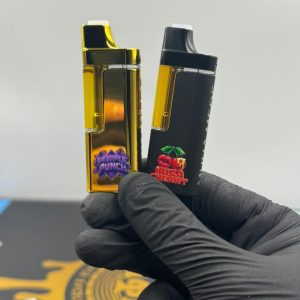
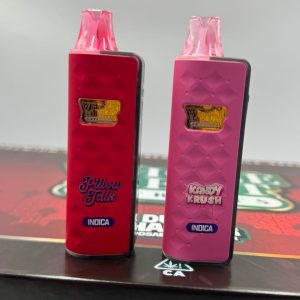
Disposable electronic vapour products are commonly designed around an integrated structure. In many examples, the battery, internal components, reservoir, and exterior casing are incorporated into a single device. This construction distinguishes disposable products from systems that use separate rechargeable batteries and replaceable cartridges.
Although these products may share a similar appearance, their internal construction and materials can differ. As a result, visual similarities between two products do not establish that they come from the same manufacturer or contain identical materials.
Packaging and Label Information
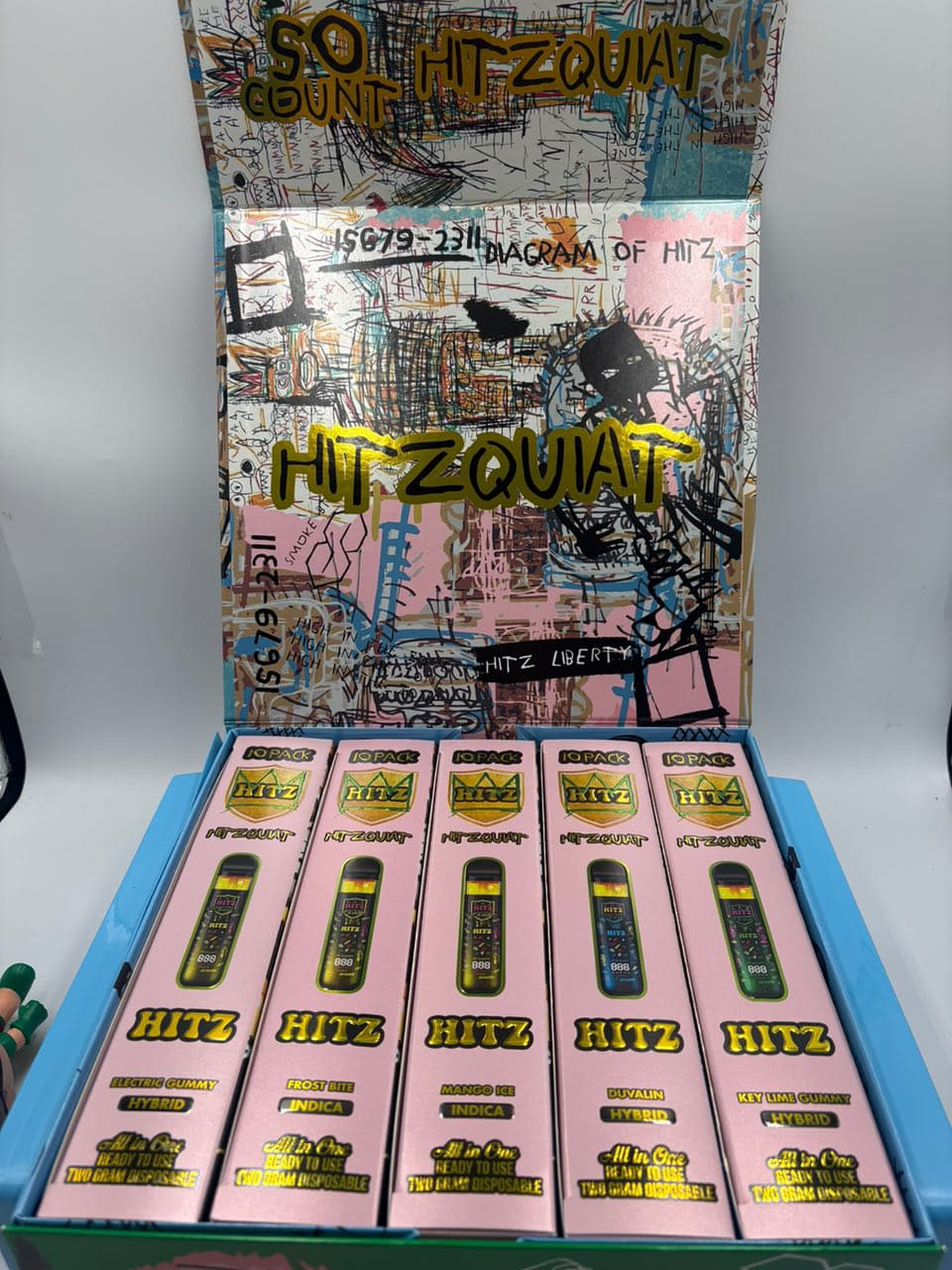
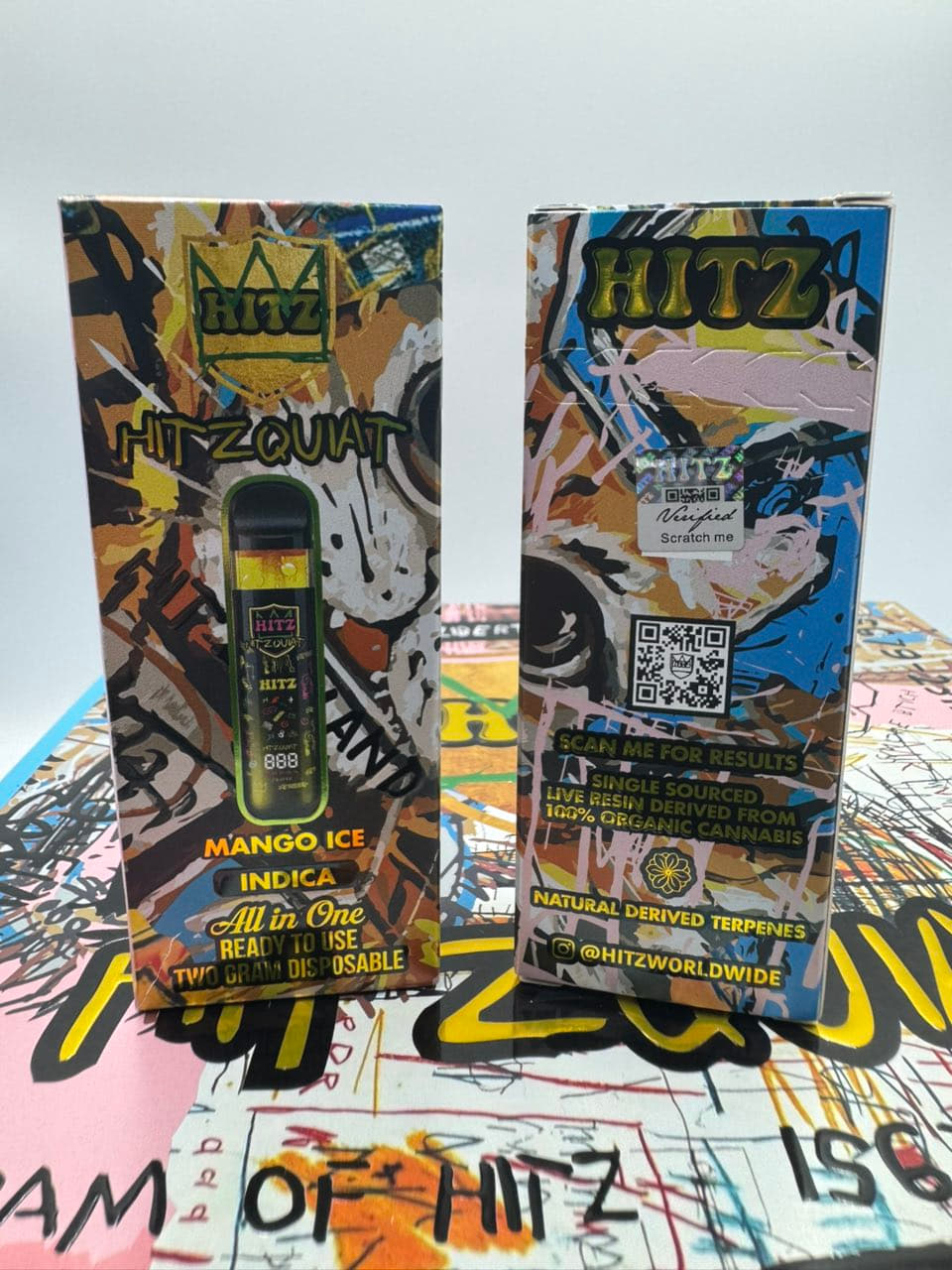
Packaging serves as an important source of product identification. Depending on the manufacturer and applicable regulations, packaging may include the product name, stated quantity, batch information, manufacturer details, warnings, ingredient disclosures, or other identification information.
In addition, labelling may provide information relevant to age restrictions, legal requirements, and product handling. The presence of attractive graphics or branded packaging, however, does not independently verify authenticity or laboratory testing.
Product Transparency
Transparency is an important consideration when reviewing any regulated consumer product. Reliable information should distinguish verified specifications from descriptions that have not been independently confirmed.
For example, product documentation may identify the manufacturer, provide batch-specific information, or reference testing conducted by an appropriately qualified laboratory. When such documentation is absent, claims about composition, purity, consistency, or manufacturing standards remain unverified.
Responsible Consumer Awareness
Cannabis-related products may carry health risks and legal restrictions. Their effects and potential risks can vary depending on the composition, individual circumstances, and other factors. Product labels and general descriptions are not substitutes for reliable health information.
Furthermore, product availability and legal status vary by jurisdiction. Applicable age requirements, possession restrictions, and regulations governing cannabis products should be considered independently of a product’s online listing or branding.
An accurate product listing should avoid unsupported statements about performance, quality, ingredients, effects, or origin. Specifications should be based on reliable documentation rather than assumptions made from the product name or appearance.
Overall, the Hitzquiat 2G Disposable name identifies a product listing within the disposable cannabis vapour category. A clear description of the item should focus on identification, documented characteristics, transparency, and relevant consumer information rather than presenting unverified claims as established facts.
Design Identity and Visual Presentation
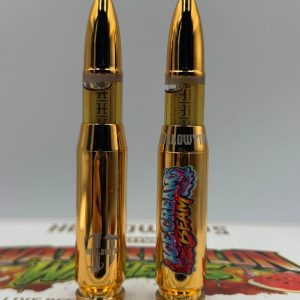
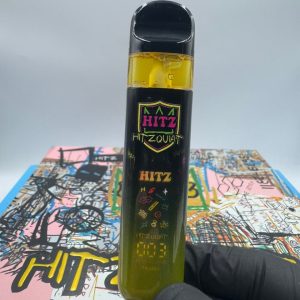
Visual presentation is an important part of how electronic vapour products are identified in retail environments. Packaging, exterior finishes, printed graphics, and product labelling can create a recognisable identity for a particular product line. In the case of the Hitzquiat 2G Disposable, its name provides a reference point for identifying the listing, although the specific design details may vary across versions or sellers.
Moreover, visual identity should be separated from technical information. An attractive exterior may communicate a particular branding direction, but it does not independently establish the quality of internal components, the accuracy of product specifications, or the origin of the materials. These distinctions are important when product descriptions are reviewed for accuracy.
Understanding Disposable Electronic Devices
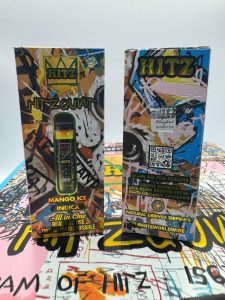
Disposable electronic devices represent a category of products built around integrated components. Unlike products that feature replaceable cartridges or separately purchased accessories, disposable models are commonly presented as a single-unit product. Their construction may include an electronic power source, internal circuitry, a heating element, a reservoir, and an outer housing.
However, the internal arrangement of individual devices can differ. Manufacturers may use different materials, component suppliers, production processes, and design specifications. Consequently, general descriptions of the disposable category should not be interpreted as confirmation of the exact internal construction of a particular Hitzquiat product.
Product Naming and Identification
Product naming conventions are frequently used to distinguish one item from another within a retail catalogue. A name may contain a brand identifier, a model designation, a quantity statement, or other descriptive elements. These details can help readers recognise a listing, particularly when similar products appear across different online stores.
Nevertheless, a product name is not a substitute for a complete specification sheet. Names may be copied between listings, modified by sellers, or presented differently across packaging versions. Therefore, reliable identification requires a combination of product labelling, supporting documentation, and manufacturer information where available.
The Importance of Accurate Specifications
Specifications form the foundation of an informative product description. They allow readers to distinguish documented facts from assumptions and marketing language. For an electronic product, relevant documentation may include its dimensions, materials, battery information, packaging details, product identification, and other verified characteristics.
In addition, specifications should remain consistent across the product page, packaging, and any supporting documentation. When discrepancies occur, the information should be reviewed rather than automatically assuming that one source is correct. This approach creates a more transparent information environment and helps prevent inaccurate descriptions from being repeated.
Packaging as an Information Source
Packaging can contain important details about the identity and regulatory status of a product. Depending on the product and jurisdiction, these details may include manufacturer information, warnings, identification numbers, ingredient disclosures, and other relevant notices.
Furthermore, packaging provides a physical reference that can be compared with information presented online. Differences in labels, spelling, product identifiers, or stated specifications may warrant additional verification. At the same time, packaging appearance alone cannot establish authenticity because printed graphics and branding can potentially be reproduced.
Product Authenticity and Verification
Authenticity is a significant consideration in markets where branded products may be imitated or where documentation is inconsistent. A product bearing a recognisable name does not necessarily have a verified connection to the organisation associated with that name.
For this reason, authentication claims should be supported by reliable evidence. Manufacturer records, verifiable identification systems, documented testing, and consistent labelling may provide useful information when available. However, no single visual feature should be treated as conclusive proof of legitimacy.
Manufacturing Information
Manufacturing information helps explain where a product originated and which organisation is responsible for its production. For electronic consumer products, this information may include the manufacturer, production location, component sourcing, and relevant quality-control procedures.
In the absence of reliable manufacturer documentation, these details should remain unspecified. An online seller’s description cannot independently establish a manufacturing location or production standard. Therefore, responsible product information avoids assigning a particular origin or manufacturing process without evidence.
Consumer Information and Transparency
Transparency is more than the inclusion of a few specifications. It involves presenting information in a way that clearly identifies what is known, what has been documented, and what remains uncertain.
For example, a listing may provide a product name and stated quantity while lacking independent information about its composition or production history. In that situation, the missing information should not be filled with assumptions. Instead, the listing should accurately reflect the limits of the available documentation.
Electronic Components and Environmental Considerations
Disposable electronic products raise broader questions about materials, waste, and environmental responsibility. Their construction may involve multiple materials, including plastics, metals, electronic circuitry, and battery components. Because these materials are combined within a compact unit, disposal can present challenges that are different from ordinary household packaging.
Additionally, electronic waste can contain materials that require appropriate collection or handling. Improper disposal may contribute to environmental contamination or other waste-management concerns. The presence of an integrated battery also means that these products should not automatically be treated as ordinary trash.
Environmental awareness is increasingly relevant to discussions about disposable electronics. Product design, packaging reduction, material recovery, and waste-management systems all contribute to the broader conversation about the environmental impact of electronic consumer goods.
Product Information Limitations
Information published online may not reflect every version of a product. Packaging can change, product names can be reused, and specifications can vary across different releases. Consequently, information associated with one listing should not automatically be applied to every item carrying a similar name.
Accurate descriptions acknowledge these limitations instead of presenting uncertain details as universal facts. This is especially important when the product belongs to a regulated category and its contents or technical specifications have not been independently verified.
The Hitzquiat 2G Disposable product name can be used as an identification reference within the disposable electronic vapor-device category. However, visual identity, naming conventions, and general category characteristics do not establish specific technical or composition claims.
Reliable documentation remains central to understanding a product’s actual characteristics. In addition, transparent labeling, responsible information practices, regulatory awareness, and appropriate electronic-waste considerations provide a more complete framework for evaluating the information associated with this product.
Labeling and Product Documentation
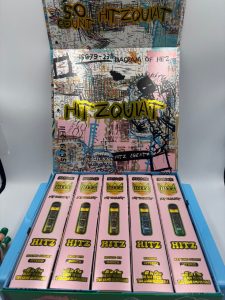
Product labeling provides a structured way to communicate identifying information about an item. For electronic vapor products, labels may contain the product name, manufacturer details, stated contents, warnings, batch references, and other information required under applicable regulations. These details help distinguish documented information from assumptions that may appear in online descriptions.
However, labels are not always comprehensive. Some information may be presented on the exterior packaging, while additional details may be available through accompanying documentation. Consequently, reviewing the available information as a whole provides a more complete understanding of what is actually disclosed.
Understanding Ingredient Disclosure
Ingredient disclosure is an important part of transparency for products containing consumable substances. A clear declaration should identify relevant contents in accordance with applicable requirements and should not rely on vague descriptions or unsupported assurances.
Furthermore, the terminology used on packaging may not always be familiar to ordinary readers. Technical language, abbreviated ingredient names, or broad category descriptions can make information difficult to interpret. When the contents are unclear, the uncertainty should remain acknowledged rather than replaced with assumptions.
Laboratory Testing and Verification
Laboratory documentation can provide information about the composition or characteristics of certain regulated products. However, the value of testing depends on the reliability of the laboratory, the scope of the test, the sample being examined, and whether the results correspond to the specific product or batch in question.
A general testing claim does not necessarily establish that every item within a product line has been examined. Similarly, a document that is not linked to a particular product or batch may provide limited information about the item being reviewed.
For this reason, testing statements should be evaluated carefully. Documentation is most informative when its origin, date, scope, and relationship to the identified product can be established.
Batch Numbers and Traceability
Batch or lot numbers are identification references that may connect products to specific production records. In some industries, these identifiers support traceability, quality reviews, and investigations into manufacturing concerns.
Nevertheless, the presence of a printed batch number does not independently verify that the number is genuine or that a product has undergone a particular inspection. Traceability depends on records that can be checked against a reliable source.
When product documentation is incomplete, traceability may be difficult to establish. This limitation is relevant to consumers, retailers, and organizations responsible for maintaining accurate records.
Consumer Awareness
Consumer awareness involves understanding the available information, recognizing its limitations, and distinguishing verified details from claims that have not been substantiated.
Cannabis-related products can present health considerations, including risks associated with intoxicating substances and exposure to aerosolized materials. Those risks may differ depending on the composition of a product and individual circumstances.
Additionally, the legal status of cannabis products varies considerably between countries and jurisdictions. Age restrictions, possession rules, distribution regulations, and other legal requirements may apply. An online product listing does not establish that a product is lawful in every location.
Responsible Information Practices
Responsible product information should be clear, consistent, and factual. It should avoid exaggerated language, unverified health claims, misleading guarantees, or statements that imply a product has been independently approved when supporting evidence is unavailable.
Moreover, product descriptions should not confuse general category characteristics with confirmed specifications of a particular item. A statement about disposable devices as a group may not accurately describe every individual model.
Separating general information from verified product-specific facts helps readers understand the available evidence. This approach also reduces the risk of misinformation being repeated across multiple websites or product listings.
Environmental Impact and Electronic Waste
Disposable electronics contribute to a wider discussion about resource use and waste management. A single integrated device may contain several different materials that require appropriate disposal or recovery procedures.
Battery-containing products can create additional waste-management concerns when they are discarded improperly. In particular, electronic components and battery materials may require specialized collection systems rather than ordinary waste disposal.
Therefore, the environmental impact of disposable electronic products extends beyond the packaging itself. Product materials, electronic components, collection infrastructure, and end-of-life handling all form part of the broader environmental picture.
Frequently Asked Questions
What is Hitzquiat 2G Disposable?
Hitzquiat 2G Disposable is a product name associated with the disposable cannabis vapor-device category. The exact composition, specifications, and authenticity of a particular listing require supporting documentation.
What does 2G mean in the product name?
The 2G designation generally refers to a stated two-gram quantity associated with the product listing. The exact meaning and accuracy of that specification should be confirmed through reliable labeling and documentation.
Is the product’s composition independently verified?
Independent verification cannot be established from the product name alone. Relevant documentation would need to identify the product and provide reliable evidence regarding its composition.
Does the packaging prove authenticity?
No. Packaging may provide useful identification information, but its appearance alone does not establish authenticity, manufacturer origin, or quality.
Why is manufacturer information important?
Manufacturer information can help establish the origin of a product and provide a reference for verifying specifications, identification details, and relevant documentation.
Why do product specifications sometimes differ online?
Different sellers may use varying descriptions, outdated information, copied specifications, or packaging references. Product versions may also differ. These inconsistencies make reliable documentation particularly important.
Are disposable electronic products environmentally friendly?
Disposable electronic products can present environmental challenges because they contain multiple materials and may incorporate batteries or electronic components. Their environmental impact depends on material composition, manufacturing, collection, and disposal practices.
Why is transparency important?
Transparency allows readers to distinguish documented facts from unverified claims. It supports better-informed decisions and helps reduce the spread of inaccurate product information.
Closing Information
Hitzquiat 2G Disposable is identifiable by its product name within the disposable electronic vapor-device category. Nevertheless, meaningful product information extends beyond a name or exterior presentation.
Label accuracy, manufacturer identification, documentation, ingredient transparency, testing records, legal awareness, and environmental considerations are all relevant to a complete informational overview. When reliable evidence is unavailable, acknowledging that limitation is more accurate than presenting assumptions as established specifications.
Ultimately, factual product documentation provides a clearer understanding of an item than branding alone. A transparent description preserves the distinction between what is stated, what is verified, and what remains unknown.

Reviews
There are no reviews yet.