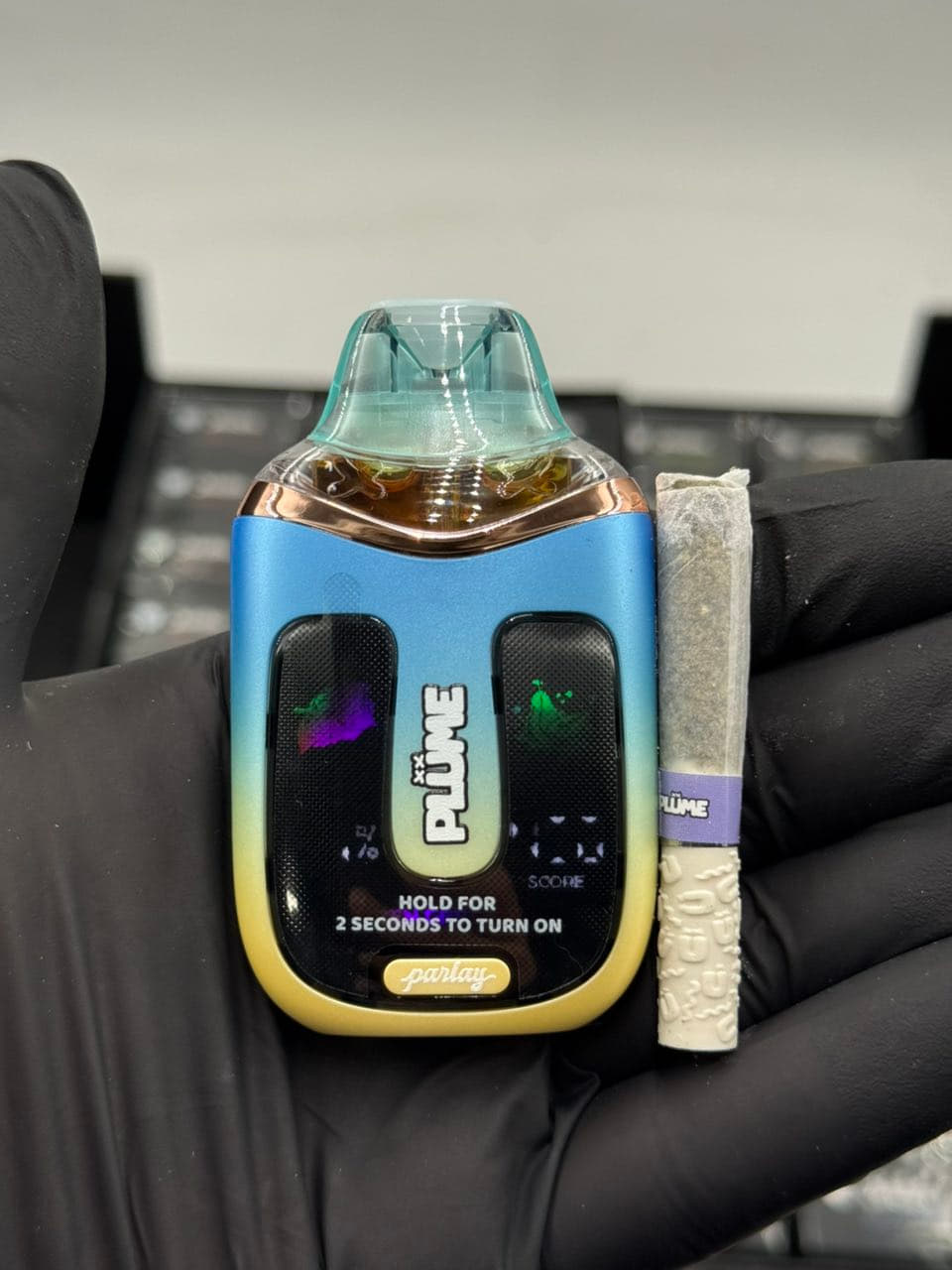
Product Overview
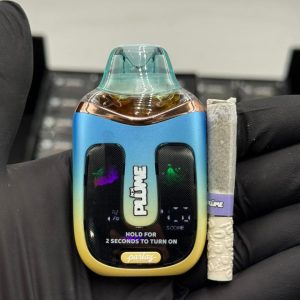
The Plume Parlay Juicebox 2G Disposable is a compact, portable-format product presented in a design that combines a recognisable product name with a modern, convenient device profile. Its Juicebox naming concept gives the product a distinctive identity, while the overall presentation places emphasis on portability, packaging aesthetics, and the details associated with its product category.
The product name, Plume Parlay Juicebox, creates a recognisable identity within a collection of contemporary disposable-format devices. Its naming and presentation distinguish it from products that use more conventional or minimal labelling styles. Meanwhile, the 2G designation identifies the advertised quantity associated with the product, making the naming structure an important part of its product listing.
Product Identity and Design
Product identity plays an important role in how items are organised across online catalogues. Plume Parlay Juicebox 2G Disposable uses a combination of brand naming, edition identification, and product-format terminology to establish its listing identity.
The Juicebox name provides a distinctive naming element, while the Plume Parlay designation identifies the product line. In addition, the disposable format describes the general device category in which the product is presented. These details help separate the listing from other products with different names, formats, or packaging variations.
Packaging and Presentation
Packaging is one of the visible elements associated with a product listing. Colour combinations, typography, printed details, and the arrangement of product information may vary depending on the edition or packaging version.
A product listing can document these details accurately through clear photography and consistent descriptions. Nevertheless, packaging appearance alone does not establish authenticity, ingredient composition, laboratory results, or product quality. Those details require appropriate verification from reliable documentation.
Product Information
The 2G designation forms part of the product’s advertised identification. Product specifications, ingredients, manufacturing information, and testing details should be confirmed through reliable labelling and documentation rather than assumptions based on the product name.
Descriptions of the device should remain factual and distinguish verified specifications from information that has not been independently confirmed.
Responsible Product Information
Disposable products within regulated categories may carry age restrictions, usage considerations, and other legal requirements depending on the location. Accurate product information should clearly identify relevant warnings, applicable regulations, and verified documentation.
The product listing should avoid unsupported statements about safety, effects, potency, performance, or health benefits.
Listing Details
The Plume Parlay Juicebox 2G Disposable can be identified in a product catalogue through its full product name, advertised quantity, packaging edition, and verified specifications. Consistent naming and factual information make catalogue entries easier to distinguish and maintain.
Product names and packaging details may vary by edition, manufacturer, and distribution source. The information presented in a listing should be checked against the actual packaging and reliable manufacturer documentation. Product availability, legal status, and applicable restrictions also vary by jurisdiction.
2. Product Identity and Naming Structure
The name Plume Parlay Juicebox 2G Disposable contains several distinct elements that contribute to the way the product is identified in an online catalogue. Each part of the name serves a different purpose, from brand recognition to product classification and advertised quantity. Therefore, understanding the naming structure helps maintain a clear and consistent product record.
The Plume Parlay designation establishes the primary identity associated with the listing. Meanwhile, Juicebox acts as a distinguishing name within the product title. The combination creates a specific product identifier that separates this listing from similarly categorised items carrying different names, packaging, or labelling.
In online catalogues, product names often become the foundation of inventory organisation. A consistent naming convention can improve recordkeeping, reduce confusion between similar listings, and make product information easier to maintain. However, the name itself does not confirm manufacturing origin, composition, authenticity, or testing status. Those details require independent documentation.
The Importance of a Distinct Product Name
Product names are used across inventory systems, printed labels, catalogue entries, and digital records. A clearly structured title allows a listing to remain identifiable even when the surrounding information changes. For example, packaging photographs may be updated, descriptions may be revised, and inventory records may receive new identifiers without changing the underlying product title.
The Plume Parlay Juicebox name can therefore be treated as a catalogue identifier rather than a substitute for verified specifications. Its individual words and numerical designation help organise the entry, while additional information establishes the actual characteristics of the item.
Catalogue Consistency and Product Recognition
Consistency matters when a website contains multiple listings with similar names. Product titles that follow the same formatting convention are easier to maintain across category pages, search results, and inventory management tools.
A standardised title structure may include the product line, edition name, product category, and advertised quantity. Nevertheless, the precise order of these details should reflect the original labelling so that the listing remains accurate and does not introduce unsupported information.
3. Understanding the 2G Designation
The 2G designation is an identifying detail included in the product name. Numerical designations are commonly used in product catalogues to distinguish listings, although the meaning and accuracy of a quantity should always be confirmed using the original label and accompanying documentation.
Numerical Product Identification
Numbers within product titles can help differentiate products that share a similar brand identity. They can also be useful in inventory records, particularly when several product variations are listed under one product family.
However, numerical information should not be interpreted beyond what the packaging or verified documentation explicitly establishes. A product title alone cannot confirm the precise contents, measurements, composition, or consistency of the material associated with an item.
Accurate Specification Records
Reliable product records depend on more than the title displayed on a webpage. Manufacturer information, labelling, batch details, and documentation may all contribute to a more complete identification record.
When those details are unavailable, a product page should clearly distinguish confirmed information from missing specifications. This approach reduces confusion and helps keep the catalogue factual.
4. Packaging Details and Visual Identification
Packaging is an important part of a product’s visual identity. It can include printed names, artwork, colours, numerical markings, symbols, and other elements used to identify a particular edition.
The packaging associated with Plume Parlay Juicebox 2G Disposable may differ depending on the version or source. As a result, photographs and descriptive details should correspond to the specific item being documented rather than a similar product from another edition.
Printed Information
Printed labelling may contain important identification details. These can include the product name, quantity, manufacturer information, warnings, batch identifiers, and other information required by applicable regulations.
Each element serves a different purpose. The product title identifies the listing, while other labelling may provide information necessary for recordkeeping, traceability, or regulatory compliance.
Visual Documentation
Clear photographs can help document the appearance of a package. Images showing the front, back, sides, and printed labels provide a more complete visual record than a single photograph.
Even so, visual similarity does not independently establish authenticity. Packaging may be reproduced, changed, or inconsistently presented across different sources. Reliable verification requires more than appearance alone.
5. Device Classification and General Components
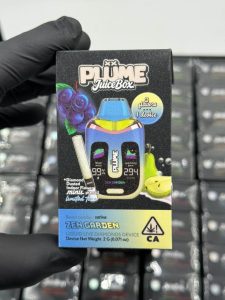
Disposable-format devices are generally categorised according to their intended design, construction, and whether they are manufactured for single-use or limited-use applications. Their external appearance may include a housing, mouthpiece, internal components, and printed identification.
The exact construction of the Plume Parlay Juicebox product should not be assumed without verified specifications. General descriptions of disposable devices may not accurately represent every model or variation.
External Housing
The exterior housing forms the visible body of a device. It may contain the internal components and provide the structure that holds the device together. The material, dimensions, colour, and finish can differ between models.
Mouthpiece and Exterior Features
The mouthpiece is a recognisable component of many disposable-format products. Its shape and placement may vary according to the device’s design. Likewise, exterior features and printed markings may differ between versions.
Internal Components
Internal components are not necessarily visible in product photographs. Their presence, design, materials, and specifications should be established through manufacturer documentation rather than inferred from external appearance.
6. Documentation, Verification, and Product Records
Product documentation plays an important role in distinguishing verified information from assumptions. A well-maintained catalog record should contain information supported by the packaging, manufacturer, or other dependable documentation.
A product name can establish how a listing is identified, but it cannot answer every question about the item. For that reason, product records should remain specific, transparent, and appropriately limited to available evidence.
Information That Requires Confirmation
Details such as manufacturer identity, ingredients, composition, testing records, batch information, and applicable warnings may require separate verification. These details should not be filled in through guesswork or copied from unrelated listings.
7. Packaging Variations and Edition Differences
Product packaging can change over time as manufacturers revise artwork, update labeling, introduce new editions, or adjust the presentation of their product lines. These changes can create differences between photographs, product listings, and physical packaging, even when the displayed product name appears similar.
For Plume Parlay Juicebox 2G Disposable, the edition name and packaging details should be documented according to the particular version being identified. A catalog entry should not automatically assume that every product carrying the same name has identical packaging, labeling, or specifications.
Differences in Printed Artwork
Printed artwork may include different colors, graphic arrangements, lettering styles, background patterns, or other visual elements. These changes can be part of a packaging revision or edition distinction.
However, artwork alone does not establish that a product is authentic, manufactured by the same source, or identical in composition. Visual details should therefore remain separate from factual product specifications.
Labeling Changes
Labeling may also change when additional information is introduced or existing information is revised. These changes can affect the appearance of a package without necessarily changing the product name.
Maintaining these distinctions creates a more organized record and prevents packaging descriptions from being confused with technical claims.
8. Product Labeling and Identification Information
Labels are an important source of product information. They may provide details that are not visible in the product name or in a front-facing photograph. As a result, reviewing the complete label is often necessary when documenting a product.
Product Name and Identifier
The product name provides the primary catalog reference. In this case, Plume Parlay Juicebox 2G Disposable serves as the identifying name for the listing.
When the same name appears across several catalog entries, additional identifiers may be required to distinguish different packaging versions or records. These identifiers should be taken from actual documentation rather than invented for convenience.
Manufacturer and Source Information
Manufacturer details may help establish the origin of a product record. Nevertheless, a brand name or printed logo should not be treated as sufficient proof of manufacturing origin.
When reliable manufacturer information is available, it can be recorded separately from the product title. This makes the listing easier to review and helps preserve the distinction between branding and verified source information.
Warnings and Regulatory Information
Depending on the product category and jurisdiction, labeling may contain restrictions, warnings, and other legally required information. These details should be represented accurately and should not be omitted when they are relevant to the product record.
The presentation of warnings should remain clear and readable. Furthermore, the information should correspond to the actual product and applicable regulations rather than generic wording copied from unrelated listings.
9. Catalog Organization and Product Classification
Catalog organization helps maintain a consistent structure across product listings. A well-organized catalog separates product names, categories, specifications, photographs, and other information into clearly defined fields.
This structure becomes particularly important when a catalog contains many products with similar naming conventions. Without consistent organization, information may become duplicated, mislabeled, or difficult to maintain.
Product Categories
Categories provide a broad classification for catalog entries. They help distinguish products according to their general type or documented characteristics.
The classification assigned to Plume Parlay Juicebox 2G Disposable should correspond to the actual product and the website’s catalog structure. A category should not imply verified characteristics that have not been established.
Product Attributes
Product attributes are separate pieces of information associated with a listing. Depending on the catalog system, these may include the product name, edition, manufacturer, packaging description, identifier, and other verified details.
Keeping these attributes separate allows the product record to be updated without rewriting every part of the listing.
Consistent Naming Conventions
Consistent naming conventions reduce confusion between catalog entries. They also help administrators identify duplicate listings and maintain uniform formatting.
For example, product titles can be arranged using a consistent order for names, edition identifiers, and product classifications. The exact format should remain faithful to the original labeling and the catalog’s organizational requirements.
10. Product Photography and Visual Records
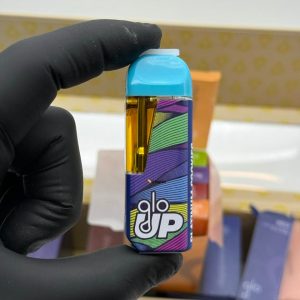
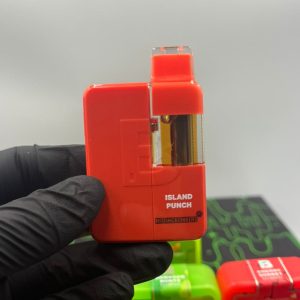
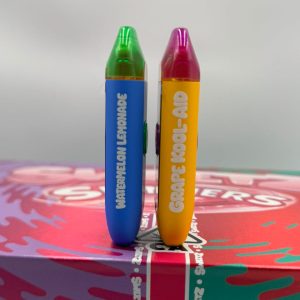
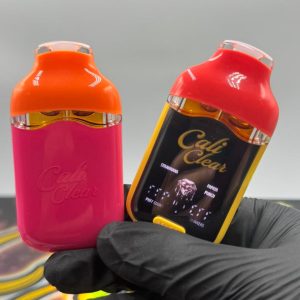
Product photography provides a visual reference for catalog documentation. It can show packaging, printed details, exterior appearance, and differences between editions.
Images should correspond to the actual item being documented. Using photographs from unrelated editions may create an inaccurate representation of the listing.
Image Accuracy
Accurate imagery helps maintain consistency between a product record and its visual documentation. A photograph should not be presented as a verified image of a specific edition when its origin is unknown.
Image Quality
Clear photographs generally provide better documentation than heavily compressed or obscured images. Lighting, focus, image resolution, and visibility of printed details can influence how useful a photograph is for identification purposes.
Photograph Consistency
When catalog photographs follow a consistent format, the overall catalog becomes easier to review. Consistency may involve similar framing, background treatment, image proportions, and presentation of labeling details.
Nevertheless, a uniform photographic style should not conceal relevant packaging differences or imply that different versions are identical.
11. Product Information Accuracy and Transparency
Accurate product information is central to maintaining a dependable catalog. Descriptions should distinguish between verified details, general category information, and information that remains unknown.
Verified Information
Verified information is supported by reliable documentation or direct evidence associated with the product. It can be included in a record with appropriate confidence.
Unconfirmed Details
Unconfirmed details should not be presented as facts. If information about composition, origin, manufacturing, testing, or specifications is unavailable, the catalog should avoid assigning unsupported values.
Corrections and Updates
Catalog information may require revision when new documentation becomes available. An update should correct the relevant field while preserving the overall consistency of the listing.
This approach creates a record that can be maintained over time without relying on assumptions or repeated descriptions of uncertain characteristics.
12. Product Records and Inventory Management
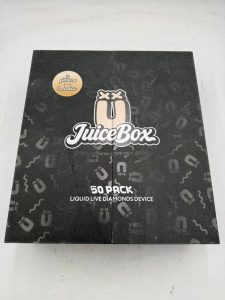
Product records are used to identify, organize, and track catalog entries. A complete record may include information that does not appear in the public-facing product title.
The Plume Parlay Juicebox 2G Disposable identifier can be maintained alongside separate fields for documentation, packaging details, and inventory classification.
Record Identification
A unique catalog identifier may help distinguish an entry from other listings with similar names. This is particularly useful when multiple editions or packaging variations are recorded.
Inventory Accuracy
Accurate inventory records depend on consistent identification and documentation. Product names, identifiers, and other catalog attributes should correspond to the entries they represent.
Record Maintenance
Records may be updated when packaging information, labeling, or documentation changes. Maintaining a clear revision history can help distinguish current information from older catalog records.
13. A Consistent Information Framework
A consistent information framework helps prevent the product title from carrying more meaning than it actually establishes.
The product name provides an identifier. The packaging record provides a visual reference. The specification record contains documented information. The regulatory record contains applicable requirements. Each section has a separate purpose.
By maintaining these distinctions, a catalog can present product information in a clearer and more professional manner. Moreover, it can reduce unnecessary repetition while keeping the information organized.
Reviews
There are no reviews yet.