Product Overview
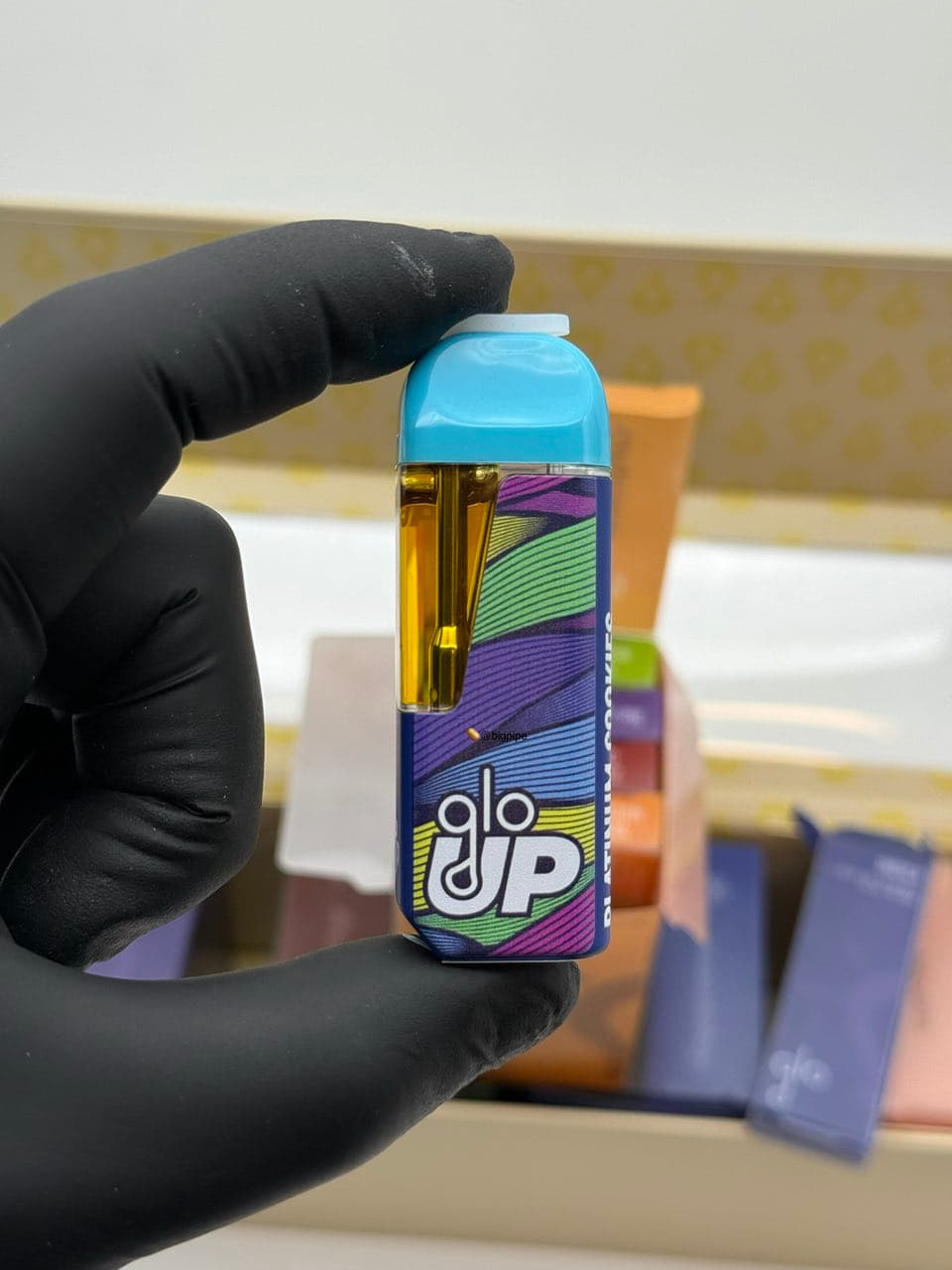
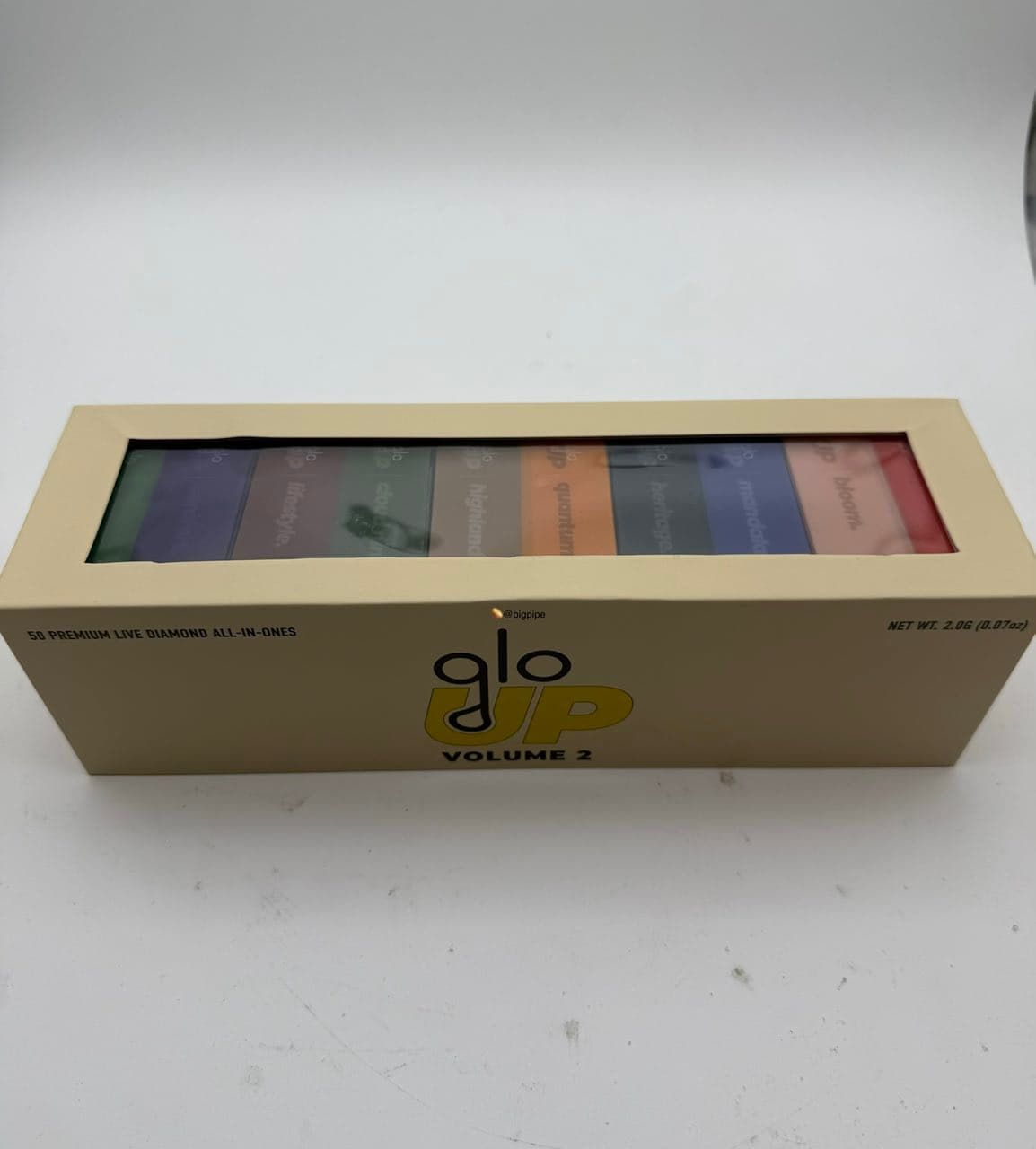
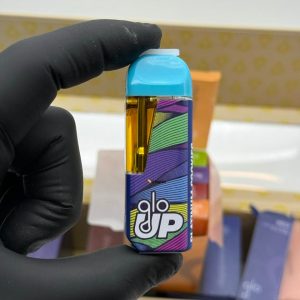
The Glo Up V2 2G Disposable is a product name associated with a compact, disposable vaping device. The V2 designation suggests a particular version within a product series, although specific design changes, technical specifications, and component details may vary depending on the manufacturer and product batch.
Disposable vaping devices generally combine several components into one portable unit. These may include a power source, heating element, internal reservoir, airflow passage, and exterior housing. Because the device is intended to be discarded rather than maintained as a reusable system, its internal components are typically not designed for routine replacement by the consumer.
Product Identification
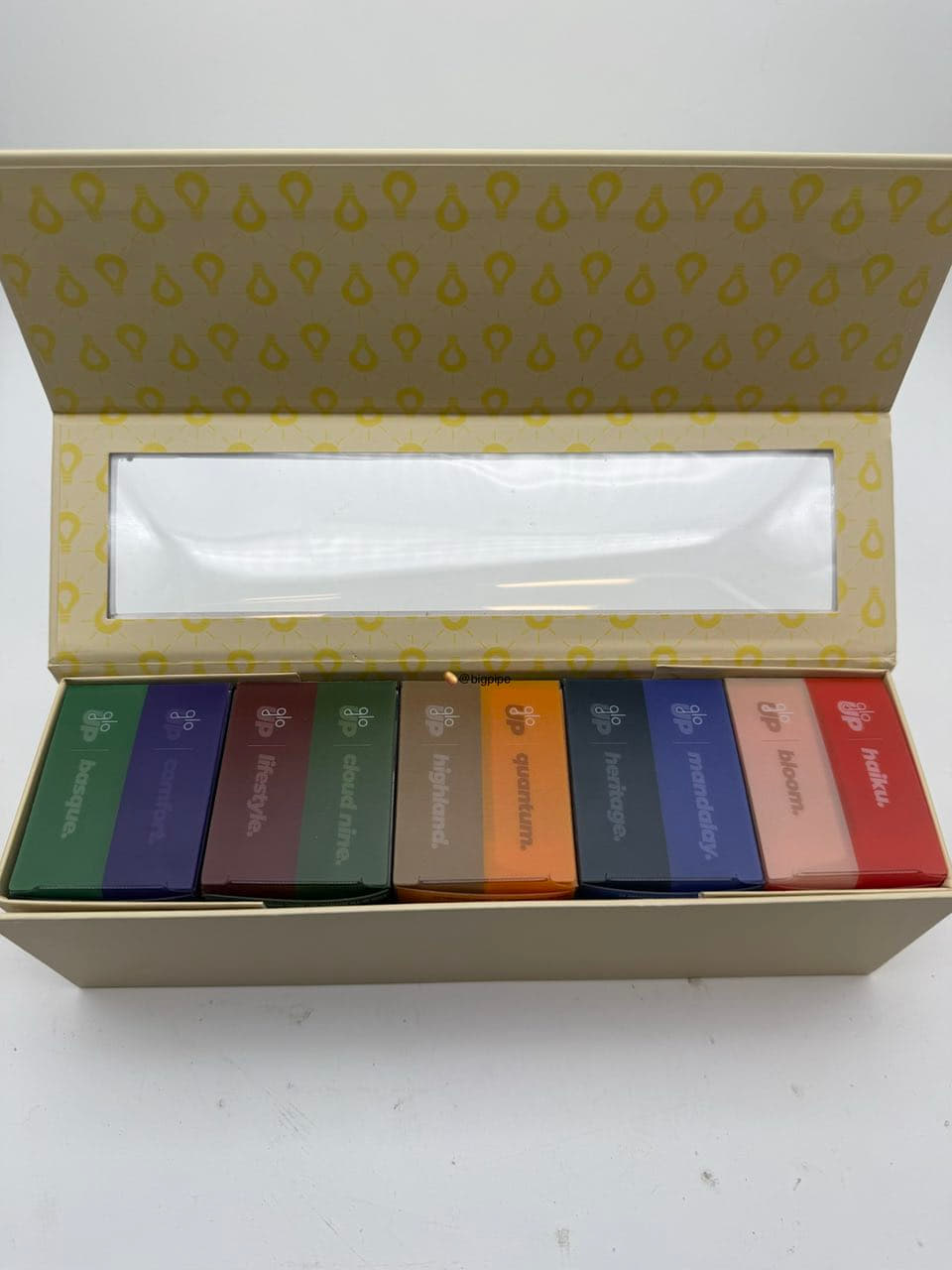
Product names, edition labels, printed graphics, and packaging descriptions help distinguish one device from another. The Glo Up V2 2G Disposable name may appear on exterior packaging, labels, or product listings. However, a printed name alone does not establish the manufacturer, contents, authenticity, or quality of a particular item.
Product identification is best based on verifiable information supplied by the manufacturer, including packaging details, batch identification, applicable warnings, and other documentation. Differences in packaging or labelling may also occur between production runs or distributors.
Device Design and Components
Disposable vaping devices are generally constructed around a small number of integrated components. The exterior casing houses the internal system, while the power source supplies electricity to the heating assembly. Other internal components may regulate airflow or support the operation of the device.
The exact construction of the Glo Up V2 cannot be confirmed from its product name alone. Materials, battery specifications, internal architecture, and manufacturing details should therefore be treated as unverified unless they appear in reliable documentation.
Packaging and Label Information
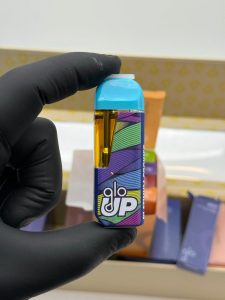
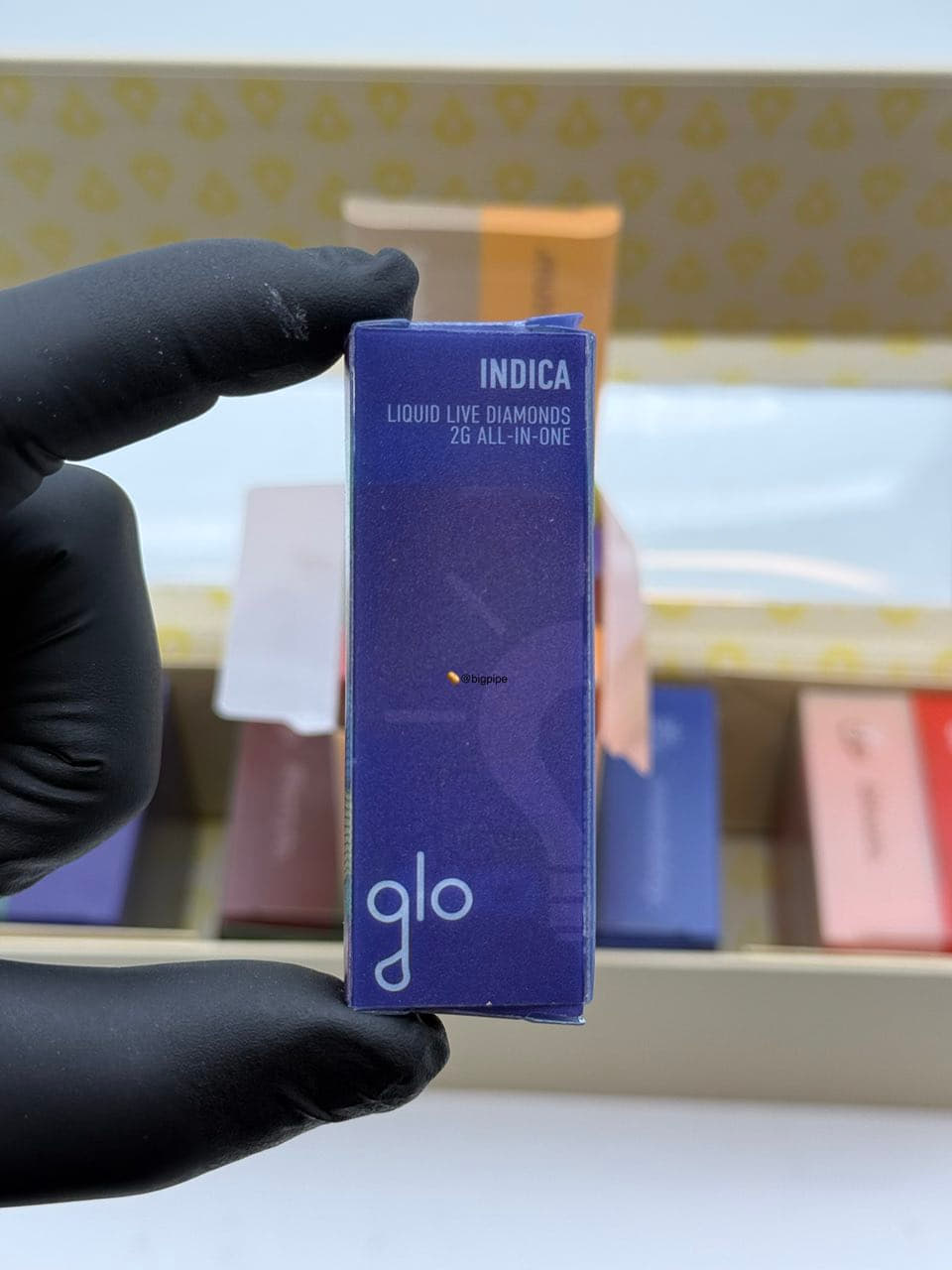
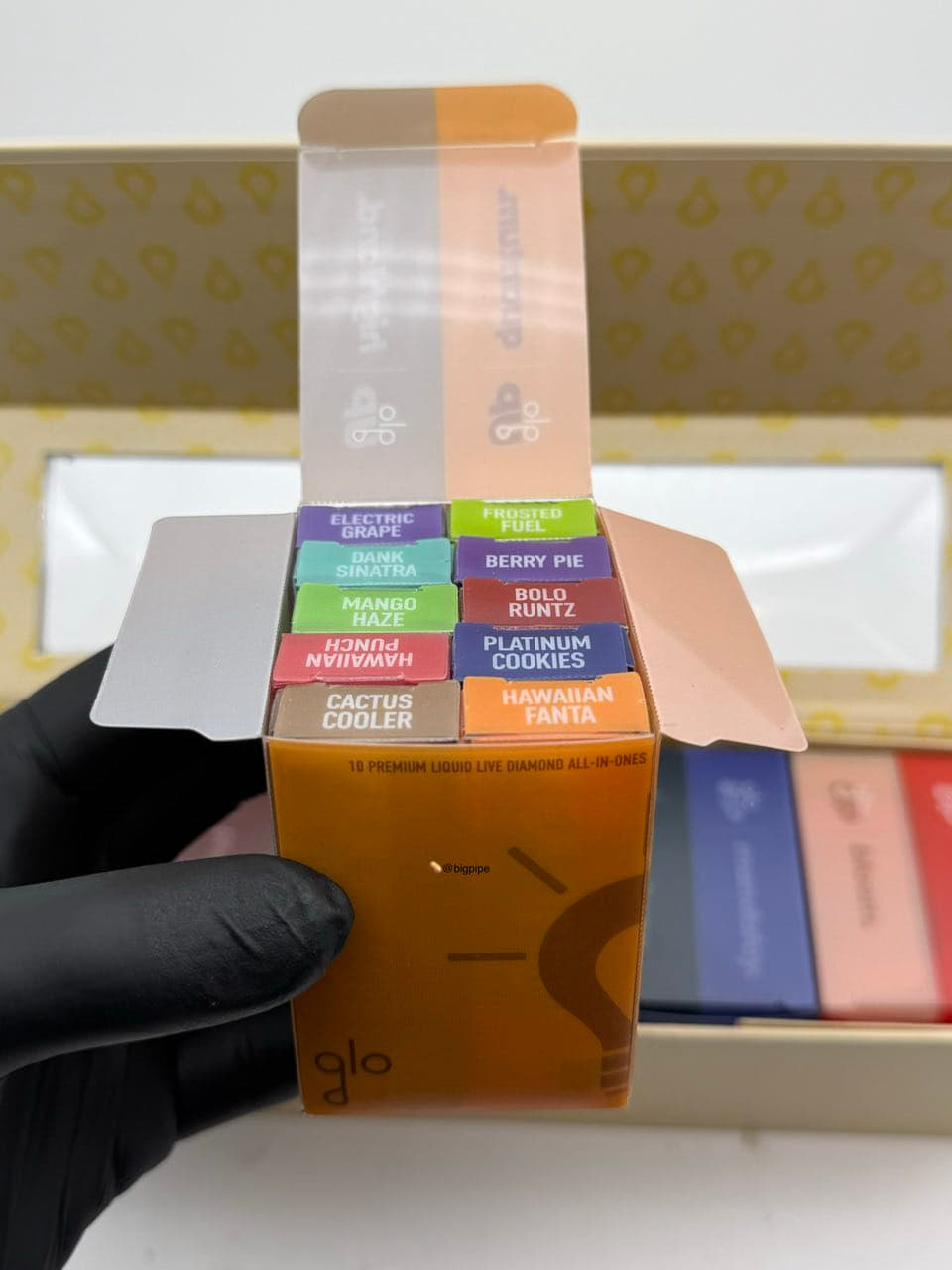
Packaging is an important source of product information. Depending on the manufacturer and applicable regulations, a package may include a product identifier, manufacturer details, ingredient or contents information, warnings, batch information, and other labelling.
Labels may differ between markets because regional regulations can require different disclosures. Consequently, the presence of a particular label or graphic should not be interpreted as evidence that a product meets every applicable safety or regulatory standard.
Authenticity and Verification
The appearance of a product does not independently establish authenticity. Similar exterior designs, branding, and packaging may appear across unrelated products, and imitation packaging can make visual identification difficult.
Reliable verification depends on information that can be checked against an identifiable manufacturer or legitimate documentation. A batch number, QR code, or printed verification feature should not automatically be considered proof of authenticity without confirmation from the appropriate source.
General Device Information
Disposable vaping products are electronic devices that may contain rechargeable or non-rechargeable electrical components, depending on their design. They may also contain substances intended to be aerosolised. Their internal systems are not always visible from the outside, which limits what can be established through appearance alone.
Technical details such as battery capacity, material composition, electrical specifications, and the contents of an internal reservoir require reliable manufacturer information. These specifications should not be assumed based solely on the product title or the stated size.
Storage, Handling, and Disposal
Electronic disposable products can present risks associated with batteries, heat, leakage, damaged components, and the substances contained inside them. Improper disposal may also create environmental concerns because the devices can contain electronic waste and battery materials.
Local waste-management rules may specify how electronic devices and battery-containing products should be handled. Damaged, leaking, overheated, or otherwise compromised devices may require special attention under applicable safety guidance.
Health and Regulatory Considerations
Vaping products may carry health risks, including exposure to potentially harmful substances. The risks can depend on the contents, device condition, individual circumstances, and other factors. Product labels and marketing descriptions do not replace independent health information or regulatory oversight.
Age restrictions, possession rules, sales requirements, and other regulations vary by location. The legal status of a particular vaping product should be evaluated under the laws applicable to the location where it is found or distributed.
This description is intended for general identification and informational purposes. It does not independently verify the authenticity, contents, specifications, safety, quality, or regulatory status of the Glo Up V2 2G Disposable.
Any product-specific technical information should be confirmed through reliable documentation associated with the actual product and its manufacturer. Packaging appearance and product naming alone are not sufficient to establish those details.
Product Information Standards
Accurate product information depends on clear identification, reliable documentation, and consistency between the listing and the original packaging. A product page serves as a written reference, so the information it contains should reflect verifiable details rather than assumptions.
For the Raw Garden AIO 1G Disposable, the product name provides a basic classification. The brand reference, AIO designation, and one-gram description establish the naming structure used in this listing. Nevertheless, the title alone does not confirm every detail about the individual product.
Product information standards are particularly relevant when a catalogue contains multiple listings with similar names. A consistent approach helps prevent incorrect details from being transferred between products and maintains a clearer record of each item.
Understanding Product Label Terminology
Product labels use different terms to communicate identity, quantity, composition, and other characteristics. These terms may have specific meanings depending on the product type and applicable regulations.
The brand designation generally identifies the name associated with the product. The device-format terminology describes its broad category, while quantity information identifies a stated measurement. Other terms may refer to ingredients, technical details, or regulatory information.
Because terminology can vary between manufacturers and jurisdictions, labels should be interpreted within their original context. A term used on one package may not necessarily have the same meaning or significance on another product.
Packaging Variation and Version Differences
Packaging may change as product versions, labelling requirements, or design revisions are introduced. Changes can involve printed graphics, package layout, information placement, or other visible characteristics.
Such variations do not automatically establish a difference in product composition. Likewise, similar packaging does not necessarily establish that two products are identical. Exact identification requires the corresponding label and documentation.
A product catalogue can therefore distinguish between confirmed version information and general packaging observations. This separation keeps descriptions accurate even when different package designs are encountered.
Documentation and Recordkeeping
Product documentation can include labels, manufacturer information, batch references, applicable disclosures, and supporting records. These materials may be relevant when the product’s identity or stated characteristics require verification.
Recordkeeping should preserve the information associated with the original item. This includes retaining the correct product name and any identifiers that appear on the package. Altering or combining details from different products may create inaccurate records.
In addition, documentation should be dated or associated with the relevant version when changes occur. This provides context for differences between earlier and later product information.
Product Identity and Authenticity
Product identity and authenticity are separate considerations. A name, visual design, or brand reference may help identify an item, but these characteristics alone do not establish that it originated from the stated manufacturer.
Authenticity assessments require reliable verification information. Depending on the product and available documentation, relevant references may include manufacturer records, packaging identifiers, or other recognised verification sources.
The distinction is important because product listings can contain incomplete information. A description should not claim that a product has been authenticated unless an appropriate verification process supports that statement.
Catalogue Classification
Catalogue classification provides a structured way to organise product information. Products may be grouped according to their names, broad categories, documented formats, or stated quantities.
A consistent classification system makes individual records easier to distinguish. It also reduces the likelihood that unrelated descriptions, specifications, or labelling details will be combined.
For this listing, the product name remains the primary identifier. Additional information can be recorded separately when verified, allowing the catalogue to preserve the distinction between naming information and detailed specifications.
Responsible Information Practices
Responsible product documentation avoids exaggerated claims and maintains a clear distinction between factual information and interpretation. This is especially important for products that may be subject to health-related warnings or legal restrictions.
Descriptions should not imply that a product is risk-free, medically beneficial, universally permitted, or independently verified without supporting evidence.
Moreover, general product information should not replace official labeling. Readers may need to refer to the package for specific warnings, ingredient disclosures, restrictions, and other relevant details.
Product Reference Summary
The Raw Garden AIO 1G Disposable listing can be identified through its product name and stated format. This overview provides context for the naming conventions, labeling, documentation, and catalog references associated with the product.
Exact specifications, ingredients, batch details, authenticity, and other product-specific claims remain dependent on verified information. This distinction supports a more accurate product record and helps prevent undocumented characteristics from being presented as established facts.
This description is an informational reference based on the product name supplied. It does not independently establish the composition, authenticity, performance, testing results, or safety of any individual unit.
Cannabis products may present health risks and are subject to legal restrictions. Applicable regulations, original packaging, and official product documentation remain the relevant sources for product-specific and legal information.
Product Listing Consistency
Consistency across product listings is an important part of maintaining an organized online catalog. Product names, quantity references, category labels, and documented details should follow a recognizable structure. This makes individual entries easier to distinguish and helps prevent inaccurate information from appearing across multiple pages.
The Raw Garden AIO 1G Disposable listing can be maintained as a separate product record with its own identifying title and associated documentation. Any additional details should remain connected to the correct product rather than copied from other listings that share a similar format or name.
Product Record Organization

A product record generally contains identifying information and supporting documentation. The exact fields depend on the catalog system, but a structured record may include the product name, category, package identification, documentation references, and applicable notices.
Keeping these fields separate allows the product title to remain concise while the accompanying information provides context. It also supports future record updates when packaging or documented specifications change.
Naming Accuracy
The accuracy of a product name affects how the listing is identified within an online catalog. Even small differences in spelling, abbreviations, quantity references, or product-format terminology may distinguish one entry from another.
The name supplied for this listing is Raw Garden AIO 1G Disposable. This title should remain consistent wherever the same product record is referenced, unless the original manufacturer documentation establishes a different official name.
Information Updates
Product records may require updates when new documentation becomes available. These updates can involve packaging references, corrected product names, revised labeling, or other confirmed details.
A clear record of changes helps distinguish older information from newer documentation. In addition, retaining the original references supports greater consistency when product information is reviewed later.
Catalog Maintenance
Catalog maintenance involves reviewing product records for accuracy, consistency, and completeness. Product information should be checked against the appropriate documentation rather than relying exclusively on previously published descriptions.
Records that contain unverified details can be identified separately from those with supporting information. This approach helps maintain a clearer catalog and reduces the likelihood of inaccurate claims being repeated.
This section completes the general catalog reference for the Raw Garden AIO 1G Disposable. The product name establishes the basic listing identity, while the original packaging and appropriate documentation remain necessary for confirming individual specifications and characteristics.
The information presented here is intended for product identification and documentation purposes only. It does not confirm product authenticity, contents, composition, performance, or safety.
Understanding the V2 Product Designation
The V2 designation is commonly used across product categories to identify a second version, revision, or updated model. In the case of the Glo Up V2 2G Disposable, the name may distinguish it from another device within the same product family. Nevertheless, the exact meaning of V2 should be confirmed through manufacturer documentation rather than assumed to represent a particular technical improvement.
Product revisions can involve changes to exterior styling, component arrangements, packaging, labeling, or manufacturing specifications. Some revisions are cosmetic, while others may involve more substantial changes. Without verified documentation, there is no reliable basis for identifying which changes, if any, distinguish the Glo Up V2 from earlier versions.
Exterior Appearance and Construction
The exterior of a disposable electronic device serves several purposes. It houses internal components, provides a surface for product identification, and protects certain parts of the device from ordinary external contact. Its overall design may also include printed graphics, color variations, branding, and other distinguishing visual elements.
The precise exterior materials and finish of the Glo Up V2 have not been independently confirmed. Descriptions of its casing, dimensions, weight, or construction materials should therefore remain subject to verification.
Integrated Electronic Components
Disposable vaping devices generally contain electrical and mechanical components that work together within a compact enclosure. These components may include a power source, electronic connections, an internal heating assembly, and structural parts.
The integrated design can make the internal system difficult to inspect without specialized equipment. As a result, exterior appearance cannot establish the condition of the battery, the integrity of internal connections, or the quality of the heating components.
Product Labeling and Information Accuracy
Product labeling is an important part of consumer identification. It can help distinguish one product from another and provide information about the item, its origin, and any applicable warnings.
However, labels are only useful when their information is accurate and verifiable. An attractive package, recognizable name, or professionally printed design does not independently demonstrate that the product is genuine or that its contents match its description.
Understanding Product Specifications
The Meaning of the 2G Label
The 2G portion of a product name may refer to a stated quantity of material associated with the product. The meaning of that measurement depends on the manufacturer and the product category.
A numerical label should not be treated as independent confirmation of actual contents. Verification requires accurate labeling, appropriate documentation, and, where applicable, reliable testing.
Technical Specifications and Manufacturer Information
Technical specifications provide a more detailed understanding of an electronic product. For disposable devices, such information may include the battery type, materials, electrical characteristics, component descriptions, and product dimensions.
When specifications are not publicly documented, they should not be filled in with estimates presented as facts. A transparent product record distinguishes confirmed details from information that remains unknown.
Batch Identification and Production Records
Batch identification can help connect a product to a particular manufacturing run or group of items. Where available, production information may assist in investigating labeling discrepancies, quality concerns, or product recalls.
Batch information is most useful when it can be checked against a legitimate source. An identification code that cannot be verified should not be considered conclusive evidence of product origin.
Why Documentation Matters
Reliable documentation provides information that exterior appearance cannot reveal. It may establish the product’s identity, explain relevant technical details, and provide important information about its composition or regulatory status.
For products with limited publicly available documentation, uncertainty should remain clearly acknowledged. This is particularly important when product names are repeated across different online listings or when sellers provide inconsistent descriptions.
Packaging Differences
Packaging differences can occur because of regional requirements, printing revisions, manufacturing changes, or differences between distribution channels. Such variations do not automatically indicate authenticity or counterfeiting.
A meaningful comparison involves checking the relevant product documentation and manufacturer information rather than relying exclusively on graphic design or packaging color.
Frequently Asked Questions
What is the Glo Up V2 2G Disposable?
It is a product identified by the name Glo Up V2 2G Disposable. The name indicates a particular product designation, but its exact manufacturer, technical specifications, and contents require independent confirmation.
What does V2 mean?
V2 typically denotes a second version or revision within a product line. The specific changes associated with this designation have not been verified for this product.
Are the technical specifications publicly confirmed?
The exact specifications have not been established here. Information about materials, battery characteristics, internal components, and other technical details should be obtained from reliable product documentation.
Does the product name prove authenticity?
No. Product names and printed packaging alone cannot establish authenticity. Verifiable manufacturer information and appropriate documentation are more reliable indicators.
Why can product information differ between listings?
Online listings may contain outdated descriptions, inconsistent naming, incomplete technical information, or information copied from unrelated products. Differences should be investigated rather than assumed to reflect genuine product revisions.

Reviews
There are no reviews yet.