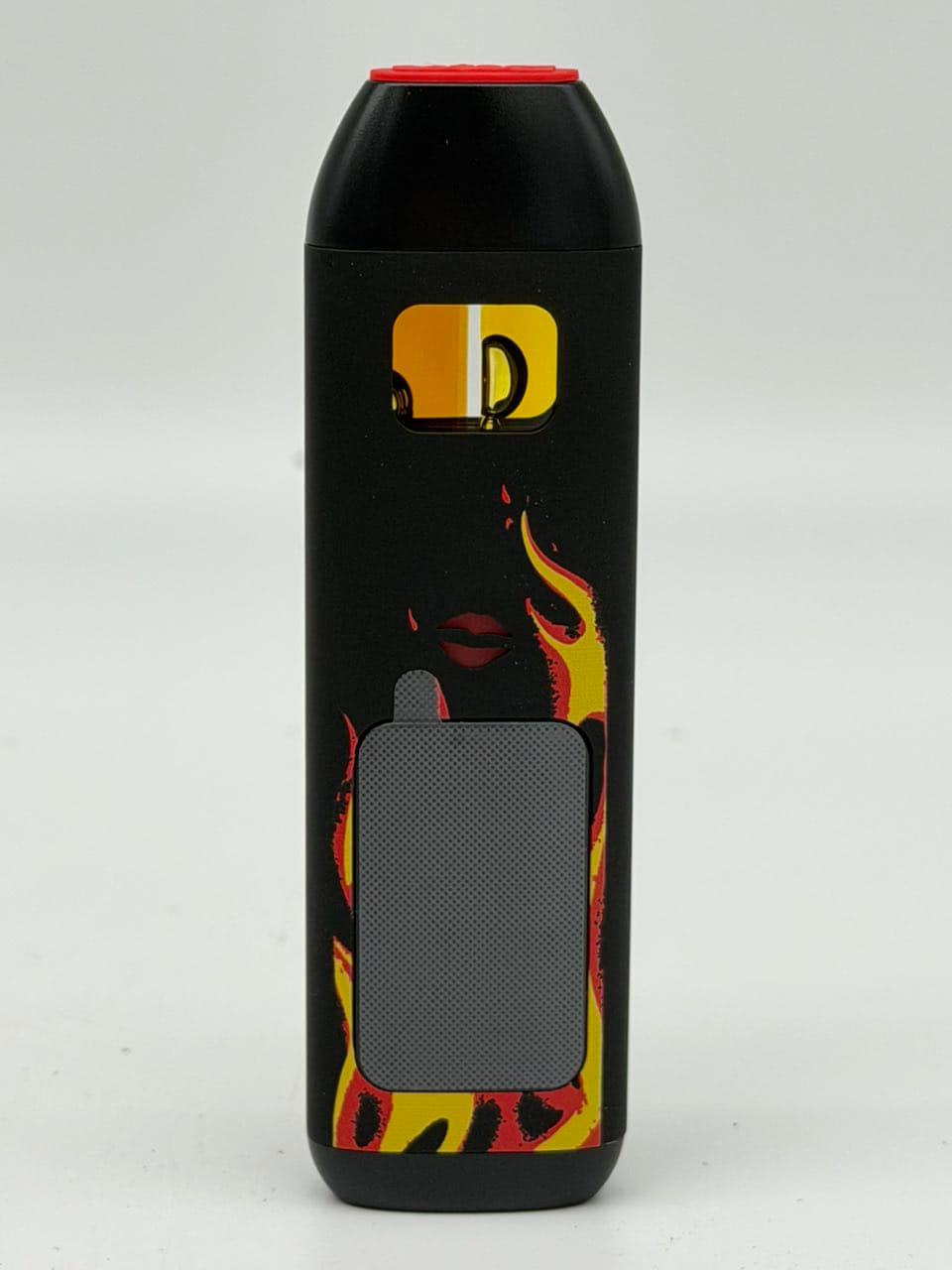
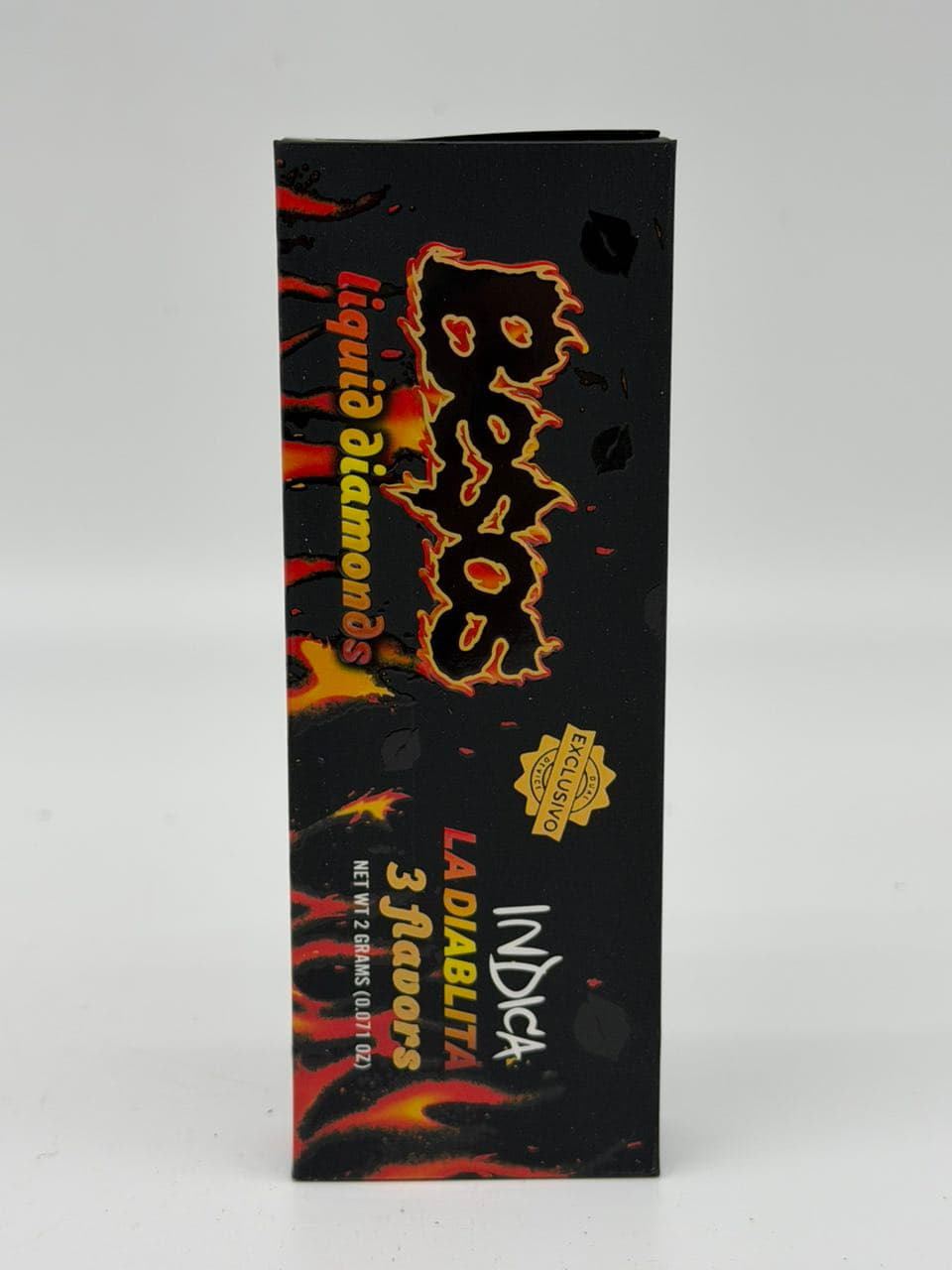
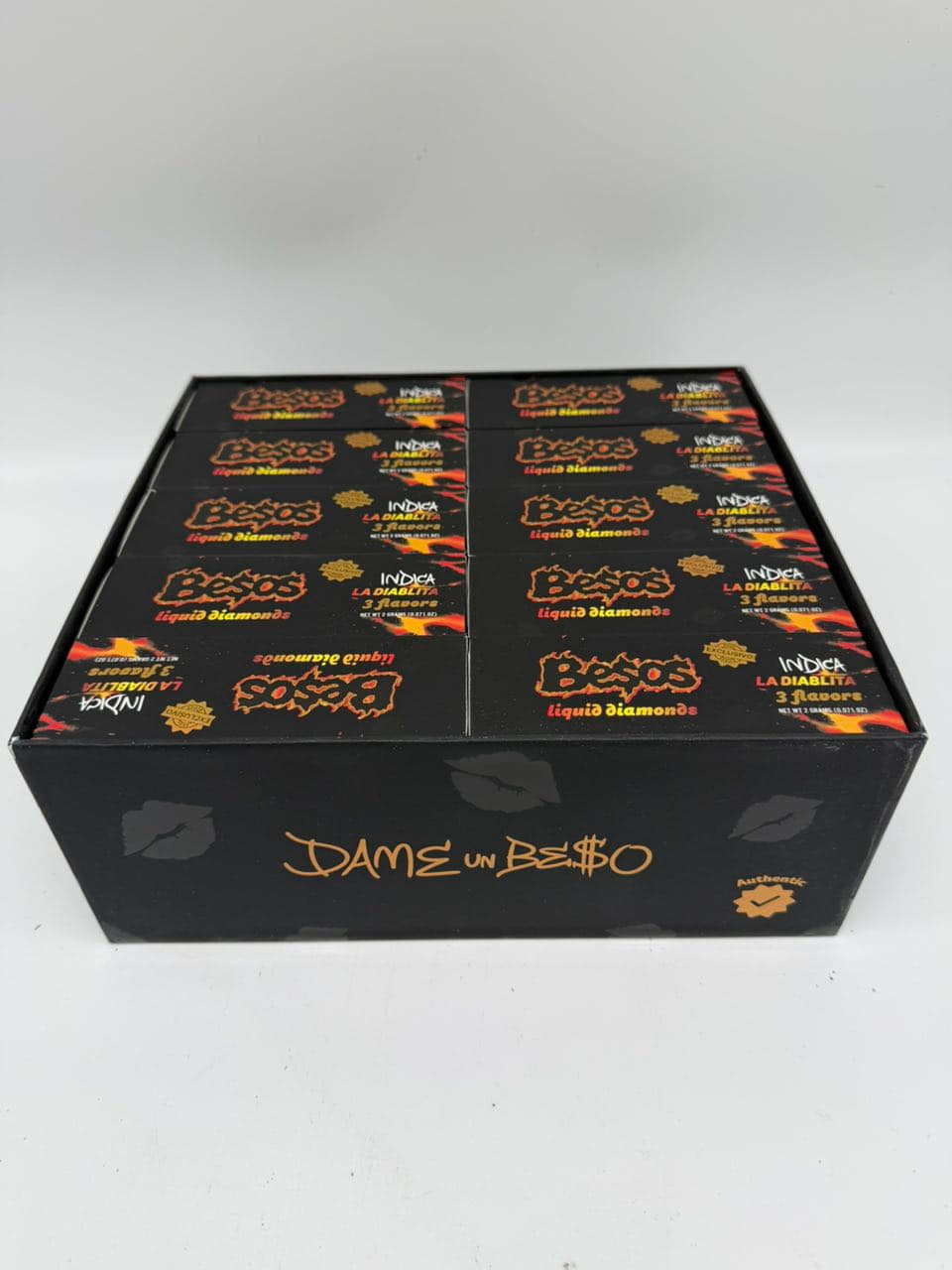
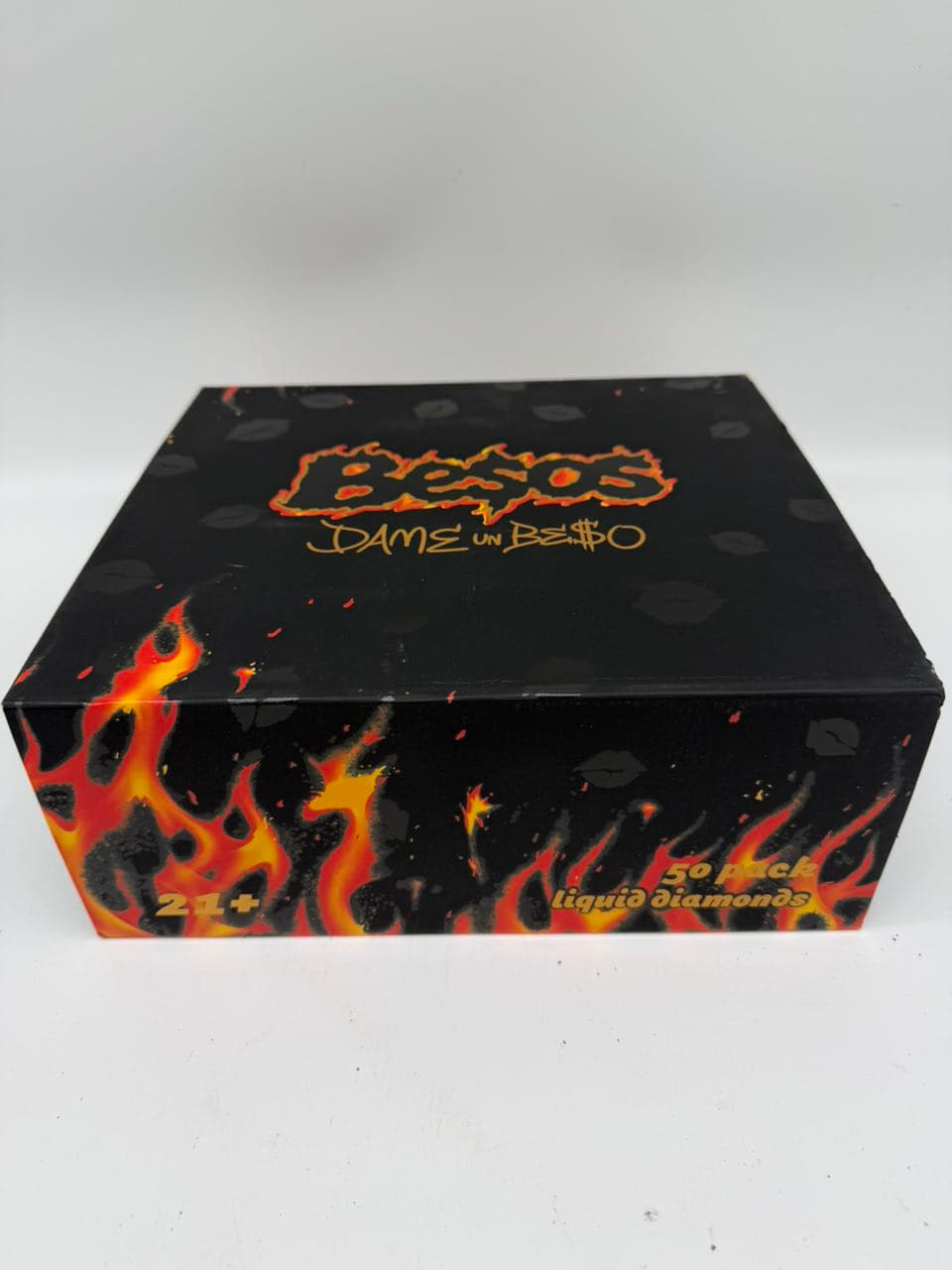
Besos La Diablita 2G Disposable
Product Overview
Besos La Diablita 2G Disposable is a product name associated with a disposable-format vaping device. The product designation includes “2G”, which generally refers to the amount of material advertised in the product, although the exact contents, formulation, and specifications should always be verified directly through the manufacturer’s packaging and official documentation.
Disposable vaping products are typically designed around a self-contained device format that combines the housing, battery, heating components, and cartridge or reservoir into a single unit. Depending on the specific model, the design may include integrated controls, airflow components, charging features, or other device-specific characteristics.
Product Identification and Packaging
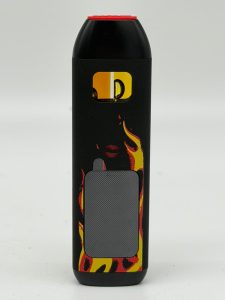
Product names, edition labels, packaging artwork, and batch information can help distinguish one item from another. However, branding alone does not confirm a product’s composition, manufacturing origin, authenticity, or quality.
For Besos La Diablita 2G Disposable, the most reliable product information comes from the original packaging, manufacturer documentation, and verifiable testing records. These details can provide information about the stated contents, batch identification, ingredients, warnings, and applicable regulatory requirements.
Device Design and Components
Disposable vaping devices generally contain several integrated components housed within a compact exterior. These may include a battery, heating element, internal reservoir, airflow pathway, and mouthpiece.
The exact construction varies between manufacturers and product versions. As a result, appearance, functionality, battery specifications, and internal materials should not be assumed to be identical across products sharing similar names or packaging.
Labelling and Product Transparency
Clear labelling is an important part of product identification. Packaging may contain information about the manufacturer, ingredients, batch or lot number, testing documentation, warnings, storage considerations, and age restrictions.
When documentation is incomplete, consumers may have difficulty determining what a product contains or whether it has undergone appropriate testing. Therefore, verifiable information is more useful than appearance-based assumptions or unconfirmed descriptions.
Storage and Handling Information
Storage conditions can affect the stability of materials and the condition of electronic components. Heat, direct sunlight, excessive moisture, and physical damage can affect product integrity.
Product-specific storage and handling guidance should come from the verified manufacturer documentation. Packaging warnings and applicable safety information should remain available throughout the product’s life.
Responsible Product Awareness
Disposable vaping products may contain substances that pose health risks. Products containing THC or other psychoactive ingredients may affect perception, coordination, judgement, and reaction time. Risks may also vary depending on ingredients, concentration, manufacturing quality, and individual circumstances.
Product identification should therefore remain separate from assumptions about safety, effects, quality, or suitability. Verified information, transparent labelling, and awareness of potential risks are essential when evaluating any vaping product.
Besos La Diablita 2G Disposable is identified by its product name and disposable device format. Exact specifications, ingredients, authenticity, construction, and testing information require verification from reliable documentation associated with the particular product version. Clear labelling and accurate product information provide a more dependable basis for understanding what the product is than unverified claims.
Understanding the Disposable Device Format
Disposable vaping devices represent a category of electronic products built around a self-contained design. Unlike reusable systems that rely on separate components, disposable formats typically combine the principal electronic and reservoir elements into one housing. This structure influences the product’s appearance, packaging, labelling, and overall classification.
The term ‘disposable’ describes the intended product format rather than establishing its environmental impact, material composition, or expected lifespan. Different products may share a similar external shape while containing substantially different internal components. Consequently, a product’s name alone does not provide enough information to determine its precise construction.
Product Name and Identification
The name Besos La Diablita 2G Disposable contains several identifying elements. The brand designation, product name, and quantity reference can help distinguish the item from other products within a similar category. These identifiers are especially relevant when reviewing product listings, packaging photographs, manufacturer records, or inventory documentation.
Product names may also be reused across different packaging revisions or product releases. In addition, visual designs can change without a corresponding change to the name displayed on the exterior. For this reason, matching the complete product identity is important when examining specifications or authenticity information.
Packaging and Visual Identification
Packaging serves several purposes, including product identification, presentation, information display, and protection during distribution. Printed labels may include the product name, brand artwork, batch information, manufacturing details, ingredient declarations, and safety warnings.
Visual appearance, however, is not a substitute for documentation. Similar packaging can be reproduced, modified, or used across different versions. Even familiar branding does not independently verify the contents inside the device.
A careful review of packaging information therefore considers the complete label rather than relying on a single image, colour scheme, or logo. Any missing, inconsistent, or unclear information may make the product more difficult to identify accurately.
Electronic Components and Their Purpose
A typical disposable electronic vaping device contains several principal components. These components work together as part of the device’s overall electronic system, although their specifications and arrangement may differ between manufacturers.
The battery provides electrical power to the device. Electronic circuitry may regulate or manage the electrical system, while the heating assembly represents another major component of the internal structure. The exterior housing separates the internal parts from the surrounding environment, and the mouthpiece forms the part through which the device is contacted.
Nevertheless, these general descriptions should not be interpreted as verified specifications for Besos La Diablita. Without reliable manufacturer documentation, the precise battery type, circuit design, materials, and component configuration remain unconfirmed.
Understanding the Two-Gram Designation
The “2G” designation is commonly used in product naming to indicate an advertised quantity of material. Although the abbreviation is familiar across certain vaping-product categories, its presence does not establish the precise composition, concentration, or laboratory-verified quantity of the contents.
Furthermore, packaging terminology can differ between manufacturers. A stated quantity should therefore be interpreted alongside the product’s complete ingredient declaration, applicable labelling requirements, and relevant documentation.
The distinction between a product name and a verified specification is important. A name can identify a marketed version, but an official record is needed to establish what the designation represents for a particular product.
Manufacturing Information
Manufacturing information helps establish where a product originated and which organisation was responsible for its production. Depending on the product and applicable regulations, documentation may include the manufacturer or responsible distributor, production details, lot identification, quality-control records, and testing information.
The availability of such details varies considerably. Some labels provide extensive information, while others offer limited identification. When manufacturing information cannot be verified, conclusions about production standards or quality controls cannot be reliably drawn.
Batch Identification and Traceability
Batch identification allows products to be associated with a particular production group or manufacturing record. Lot numbers and similar identifiers can be useful when investigating discrepancies, checking documentation, or reviewing information supplied by the responsible manufacturer.
Traceability is particularly relevant when multiple versions share the same product name. A batch identifier can help distinguish one production group from another and may provide a reference for related documentation.
A product without readable or verifiable batch information may be more difficult to trace. That limitation does not automatically establish that a product is counterfeit, but it reduces the available evidence for confirming its origin.
Product Information Versus Assumptions
Product descriptions often contain statements about materials, composition, performance, or manufacturing characteristics. Such statements should be evaluated according to the evidence available rather than treated as established facts.
For example, the exterior appearance does not independently establish the type of internal material. A product label does not necessarily demonstrate that an independent laboratory verified every listed specification. Likewise, a familiar product name does not guarantee that two items contain identical components.
Distinguishing verified information from assumptions supports more accurate product documentation. It also reduces confusion when product names, packaging, and specifications vary between listings.
Besos La Diablita 2G Disposable can be identified by its product designation and disposable electronic-device format. However, its precise composition, construction, manufacturing background, and technical specifications remain dependent on reliable product-specific records.
Accurate identification is based on consistent documentation, clear labeling, and verifiable information. Keeping these distinctions clear allows product descriptions to remain factual, understandable, and transparent without relying on unsupported claims.
The Role of Product Documentation
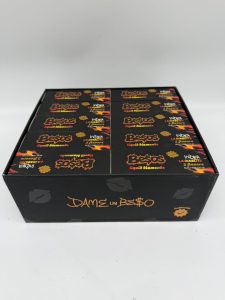
Product documentation provides a reference point for understanding an item’s identity, construction, and declared characteristics. In the case of Besos La Diablita 2G Disposable, documentation would be the appropriate source for confirming the exact product version, stated contents, technical details, and manufacturing information.
Moreover, documentation can help distinguish information that has been verified from information that has merely been repeated across online listings. This distinction matters because product descriptions are sometimes copied between websites without checking whether the information matches the actual item.
Reliable documentation generally contains specific identifying details rather than broad descriptions. Manufacturer records, batch identification, packaging information, and applicable test reports can contribute to a more complete understanding of a product.
Electronic Device Architecture
Electronic vaping products typically rely on several interconnected components that form the device’s basic architecture. These components may include a power source, electrical connections, control circuitry, a heating assembly, and an exterior enclosure.
The arrangement of these elements can vary between products. Some devices contain relatively simple electronic systems, while others incorporate additional features or more complex internal arrangements. However, similar exterior designs do not necessarily indicate identical electronic architecture.
The exact architecture of Besos La Diablita 2G Disposable cannot be confirmed through its product name alone. A reliable technical description would require specifications or documentation associated with the particular model.
Battery and Electrical Information
Battery information is an important part of understanding an electronic disposable device. The battery represents the source of electrical energy, while other components manage or use that energy within the device’s overall system.
Technical information may include battery chemistry, capacity, electrical ratings, charging specifications, and safety-related details. However, these values should not be assumed when they are absent from verified documentation.
Battery condition can also change over time. Physical damage, excessive heat, moisture exposure, or deterioration may affect the integrity of an electronic product. Accordingly, battery-related safety information should be considered alongside the product’s other labeling and handling details.
Exterior Housing and Materials
The exterior housing forms the visible structure of a disposable device. It may contain, protect, and separate internal components while providing the product with its overall shape and finish.
Housing materials differ among manufacturers and product versions. Plastics, metals, coatings, and other materials may be used in electronic products, although their presence in a particular model requires confirmation.
The exterior finish may also vary between production batches. Differences in color, printing, texture, or decorative elements do not necessarily indicate a difference in internal specifications. Equally, visual similarity does not guarantee that products are identical.
Mouthpiece and Contact Surfaces
The mouthpiece represents a direct contact area within the device’s design. Its dimensions, material, shape, and construction may differ across product categories.
Material identification is relevant because the mouthpiece is part of the product’s overall physical construction. However, appearance alone is insufficient to determine the specific material used or its manufacturing characteristics.
Product documentation may provide information about materials or relevant safety considerations. When this information is unavailable, the precise composition of the contact surfaces remains uncertain.
Product Versions and Naming Consistency
Product naming systems can become complicated when manufacturers introduce new packaging, updated artwork, alternate editions, or revised specifications. The same product name may appear in different visual presentations, and some listings may omit important distinctions.
Naming consistency helps maintain accurate records across product catalogs, inventory databases, and documentation systems. A complete product name is more useful when accompanied by identifying details that distinguish the item from similarly named versions.
In addition, the way a name appears on a website may differ from the wording printed on the original packaging. This difference can arise from formatting, abbreviations, capitalization, or incomplete listing information.
Understanding Manufacturer Claims
Manufacturer claims may describe a product’s composition, design, testing, materials, or intended category. These statements should be considered according to the documentation supporting them.
A claim about a component or material is more informative when the relevant specification is available. Similarly, testing statements are easier to evaluate when a report identifies the laboratory, tested sample, date, and scope of the examination.
Broad statements without supporting records cannot establish every characteristic of an individual product. Therefore, factual product descriptions benefit from separating documented specifications from general information about the device category.
Laboratory Records and Testing Information
Laboratory records may be relevant to products that require testing or verification of particular characteristics. Depending on the applicable standards and the product category, testing may address composition, contaminants, materials, or other specified properties.
Testing documentation should correspond to the product being examined. A report associated with another version, batch, or manufacturer may not provide evidence about the item in question.
The presence of a laboratory name on a label does not automatically establish that all product characteristics have been independently confirmed. The report itself, its scope, and its connection to the identified product are important considerations.
Inventory Identification
Inventory identification is useful for distinguishing products with similar names or packaging. Retail and distribution records may contain product names, identifiers, batch numbers, descriptions, and other information used to maintain accurate catalog entries.
When naming information is incomplete, the possibility of duplicate or mismatched records increases. In contrast, consistent identifiers make it easier to associate the correct item with the correct documentation.
For Besos La Diablita 2G Disposable, inventory information should remain consistent with the product’s verified identity. Unsupported specifications should not be introduced simply to make a listing appear more detailed.
Digital Product Listings
Digital product listings often provide the first point of reference for a product’s identity. They may contain images, names, descriptions, technical details, labeling information, and additional references.
Nevertheless, online information can become outdated or inconsistent. Listings may remain available after packaging changes, and descriptions can be copied from older pages without being reviewed.
A clear digital record separates confirmed details from information that is unavailable. This approach supports accuracy while reducing the possibility that readers will interpret unverified claims as official specifications.
Information Accuracy and Consumer Awareness
Information accuracy is central to understanding electronic products. Product names, packaging, technical specifications, and documentation each provide different kinds of information, and none should automatically replace the others.
Consumers may encounter differences between advertised characteristics and available documentation. Such differences can create uncertainty, particularly when a product’s origin or composition cannot be established.
Careful attention to available records helps explain what is known and what remains unconfirmed. In addition, transparent descriptions make it easier to recognize when further documentation is needed.
Besos La Diablita 2G Disposable can be discussed through its product identity, electronic-device classification, exterior design, documentation, and traceability. However, model-specific technical details remain unconfirmed without reliable supporting records.
A factual understanding of the product depends on accurate identification and transparent documentation. Separating general device information from verified product specifications provides a clearer and more responsible description.
Product Quality and Documentation Standards
Product quality is a broad concept that encompasses identification, consistency, documentation, manufacturing controls, and the accuracy of information provided about an item. For electronic products, these considerations may involve both the physical device and any material contained within it.
Quality-related statements should be supported by relevant evidence. A product’s appearance, packaging, or brand name does not independently establish manufacturing standards or the quality of its contents.
Consistency Between Packaging and Records
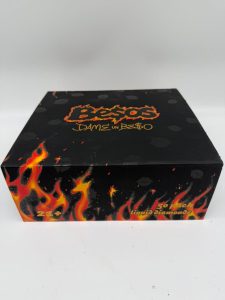
Consistency between product packaging and associated records helps reduce identification errors. Product names, batch numbers, manufacturer details, and other identifiers should correspond wherever they appear.
Discrepancies can occur when packaging is updated, information is entered incorrectly, or an older listing remains online. Therefore, product records should be evaluated against the appropriate version rather than assumed to represent every item carrying a similar name.
Labeling Transparency
Transparent labeling provides information that can help readers understand the product’s identity and declared characteristics. The usefulness of a label depends on how clear, complete, readable, and verifiable its information is.
Missing identifiers, unclear ingredient declarations, incomplete manufacturer information, or inconsistent terminology can limit the usefulness of a product label. Moreover, decorative artwork should not be mistaken for technical information.
Authenticity and Identification Limitations
Authenticity cannot be established through branding or appearance alone. Counterfeit or altered packaging may resemble legitimate designs, while genuine products may appear different because of packaging revisions.
Verification generally depends on reliable manufacturer information, traceable identifiers, and documentation that corresponds to the item being examined. When those sources are unavailable, authenticity remains unresolved.
Product Record Management
Product records help maintain consistency between physical items and their associated digital information. Records may include the complete product name, version identification, available documentation, packaging references, and relevant dates.
Accurate records reduce confusion when similar products are listed under different names. They also help identify outdated information that may no longer correspond to the current version.
Handling of Unverified Information
Unverified information should be identified clearly rather than presented as a confirmed characteristic. This includes specifications, composition details, manufacturing claims, and descriptions of internal components.
When a detail cannot be confirmed, acknowledging the limitation is more informative than filling the gap with an assumption. As a result, readers receive a clearer picture of the information that is actually available.
Product Information and Responsible Communication
Responsible communication distinguishes factual identification from statements about quality, effects, safety, or performance. These categories may require different kinds of evidence.
A neutral product description should not imply that a particular item is harmless, medically beneficial, laboratory-confirmed, or suitable for everyone without appropriate evidence. Clear wording helps readers understand the limits of the information provided.
Summary of Documentation Considerations
The documentation associated with Besos La Diablita 2G Disposable should be considered independently from its name or visual presentation. Verified identifiers, accurate records, clear labeling, and supporting information are useful for establishing what is known about a particular product.
Where documentation is incomplete, uncertainty should remain visible. This provides a more accurate foundation for product identification and informational recordkeeping.
Reviews
There are no reviews yet.