
Product Overview
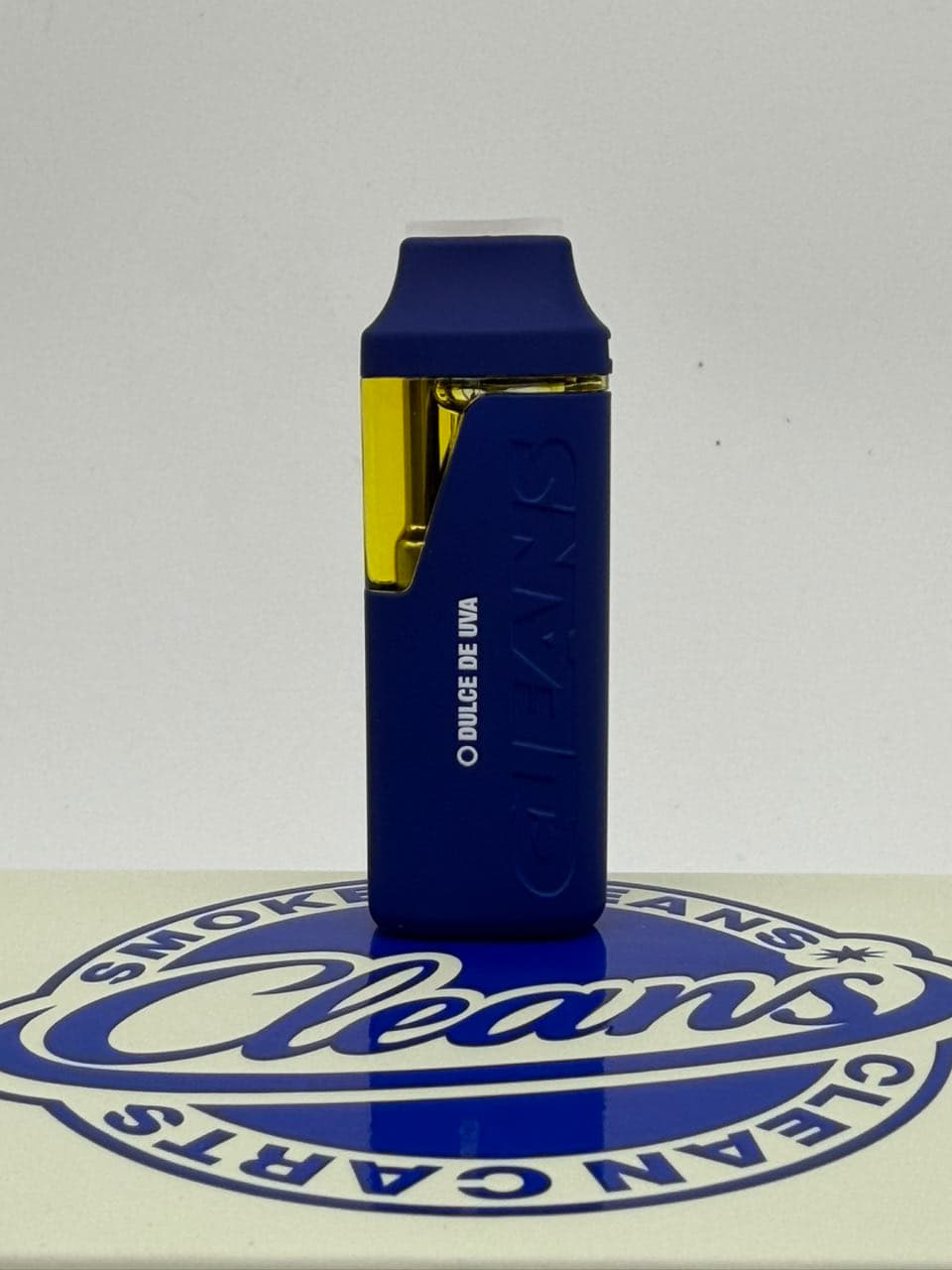
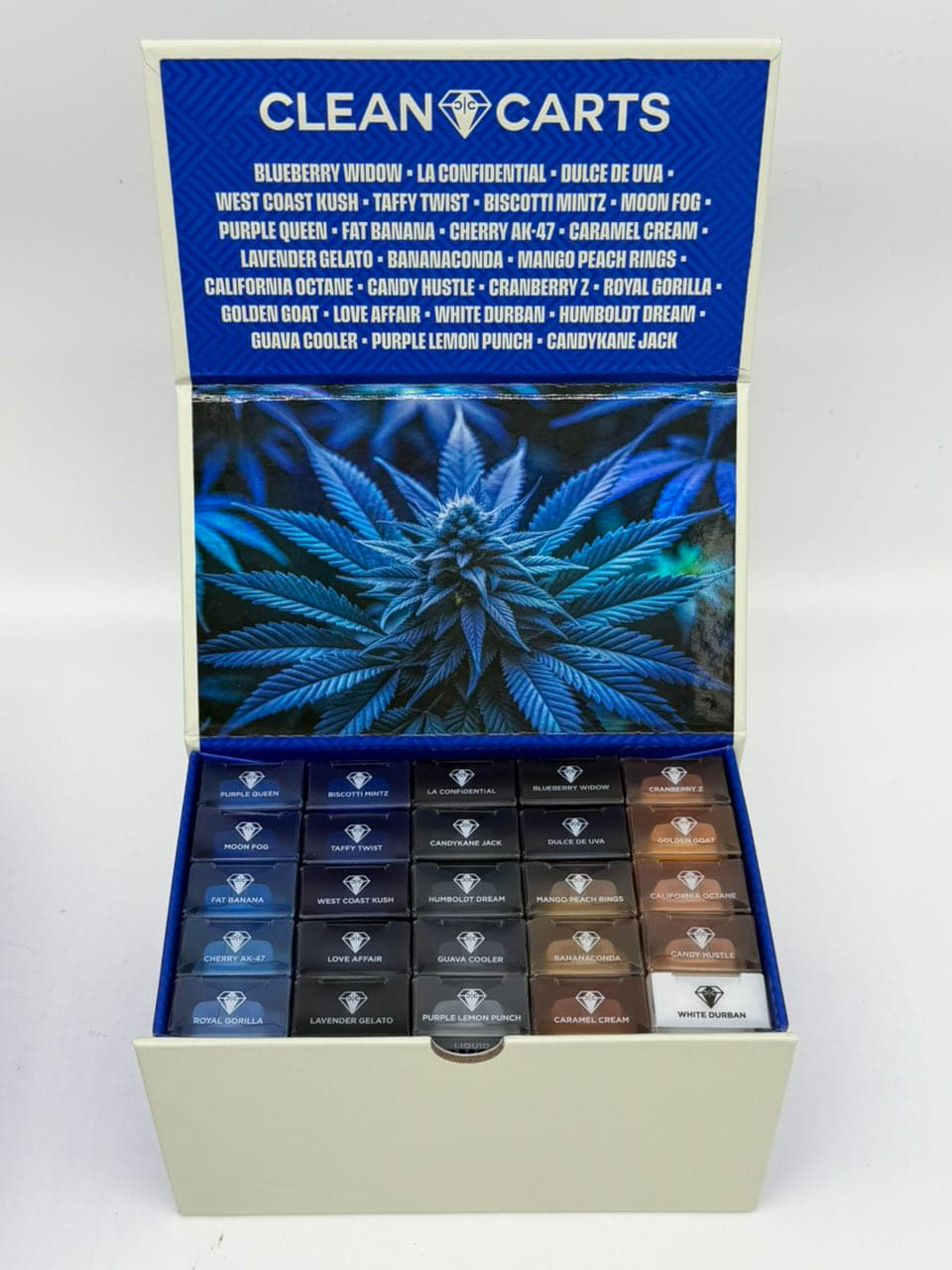
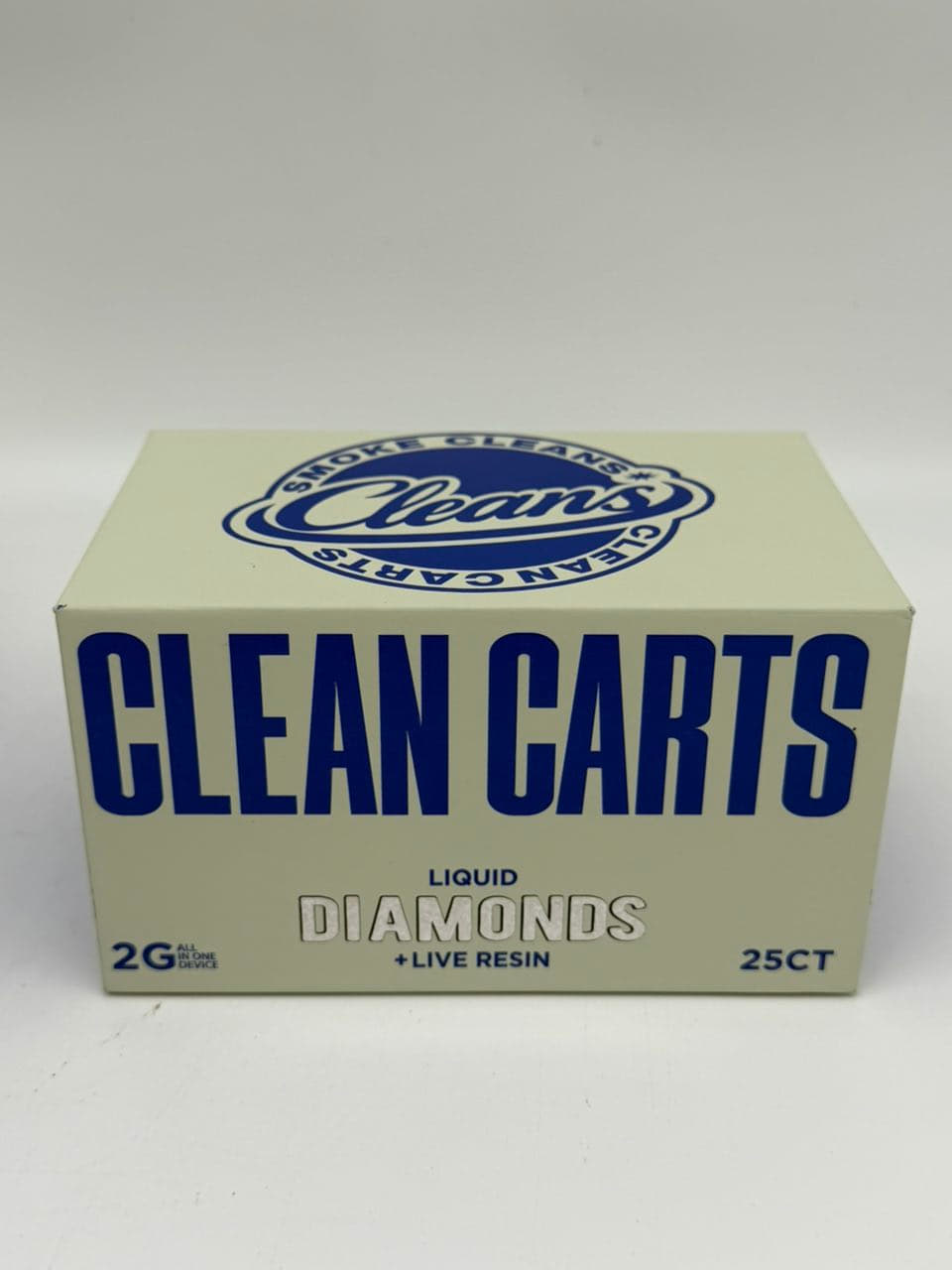
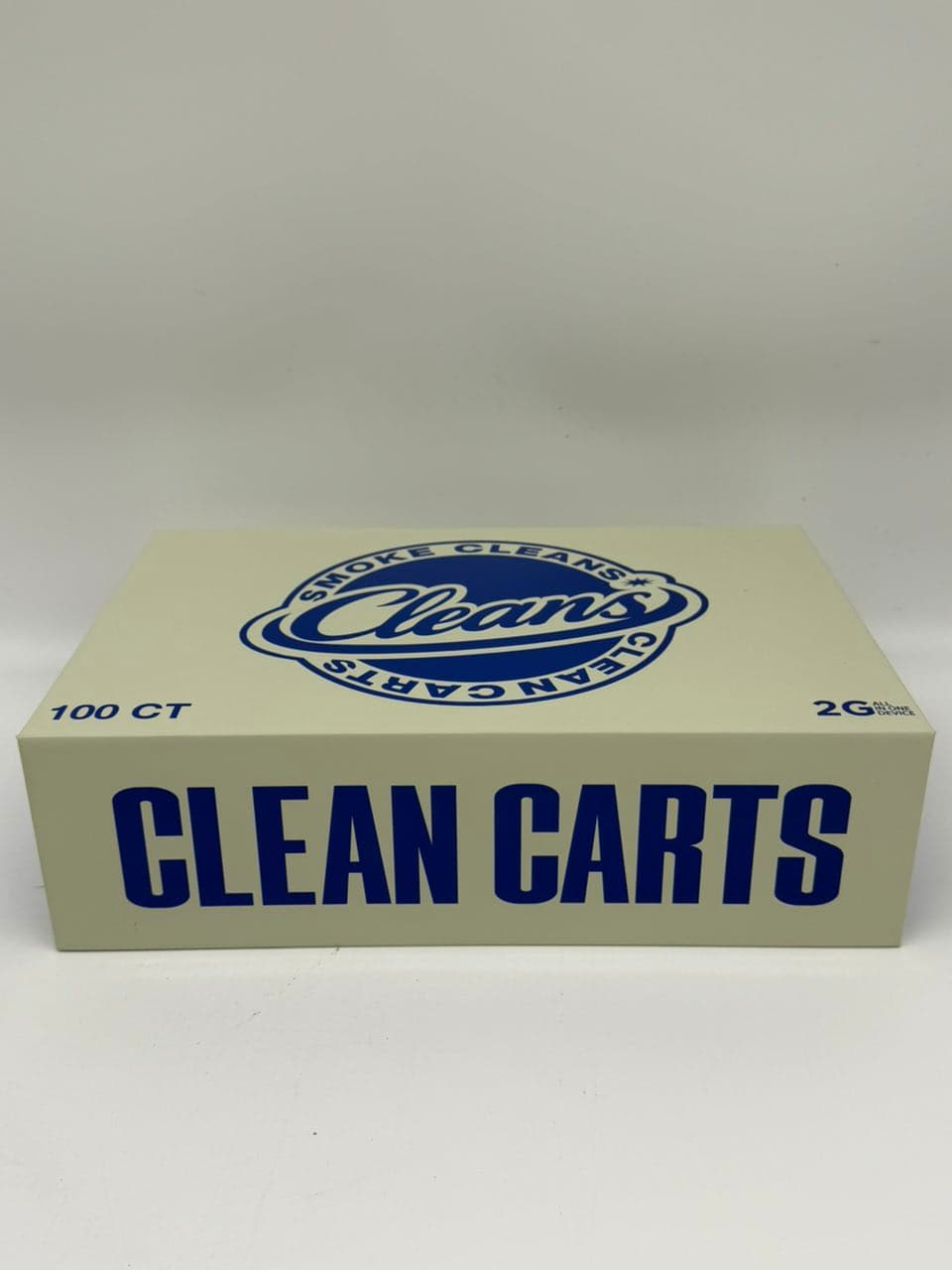
Clean Carts Special LA Edition 2G is a product name associated with a specially labelled disposable-format vape device. The LA Edition naming may refer to a particular packaging style, visual presentation, or product variant. However, the name alone does not establish the product’s contents, manufacturing origin, quality, or laboratory verification.
Product information should be evaluated using the original packaging, manufacturer documentation, applicable regulations, and independently verifiable testing records.
Product Identification
Product identification is an important part of understanding any packaged consumer item. Labels, batch information, ingredient disclosures, and manufacturer details can provide useful information about an item’s identity.
The Special LA Edition designation should be treated as a product label rather than independent proof of authenticity. Packaging similarities or printed branding do not necessarily confirm that an item came from an authorised manufacturer.
Product Verification
Authenticity cannot reliably be established through appearance alone. Printed graphics, colours, logos, and packaging styles may be reproduced. Likewise, a QR code or verification label should not automatically be considered proof of legitimacy unless its information can be independently confirmed through a reliable source.
Safety and Responsible Information
Disposable vape products may contain substances that present health risks. Contents, concentrations, and manufacturing standards can vary between products and batches. Therefore, the product name or edition label should not be used as a substitute for verified ingredient information or independent testing.
Storage and Handling Considerations
Products containing vape liquids or electronic components may be affected by excessive heat, direct sunlight, physical damage, and improper storage. Damaged, leaking, unusually hot, or otherwise compromised devices may present additional hazards.
Products should be kept away from children and pets, and applicable local safety requirements should be followed.
Important Product Disclaimer
The Clean Carts Special LA Edition 2G name does not independently verify composition, authenticity, quality, safety, or manufacturing standards. Any product-related claims should be supported by reliable documentation, and all applicable legal and health warnings should be reviewed before information is published.
Understanding Product Edition Labels
Edition labels are often used to distinguish one packaged product from another. In many consumer markets, names such as Special Edition, Limited Edition, Regional Edition, or Signature Edition describe a particular presentation or branding identity. However, these terms can have different meanings depending on the manufacturer, and they do not always correspond to changes in the underlying product.
The Clean Carts Special LA Edition name may be intended to distinguish a particular design or label from other products carrying a similar name. Nevertheless, the significance of that designation cannot be established from the name alone. Without reliable manufacturer documentation, it would be inaccurate to assume that an edition label represents a specific formulation, manufacturing process, or quality standard.
Why edition names can be confusing
Product naming can create confusion when several items use similar branding. For instance, products may share a recognisable name while displaying different artwork, packaging, or identifiers. In addition, regional names may be used without providing a clear explanation of what makes the item region-specific.
Therefore, a useful product-information page should distinguish between information printed on the packaging and details that have been independently verified. This distinction helps readers understand what is actually known instead of relying on assumptions.
Understanding the 2G Label
The 2G designation is commonly used in product naming to refer to a stated quantity of material. However, a printed quantity should not automatically be interpreted as verified contents, product quality, or expected performance.
The exact meaning of a quantity label depends on the item, its packaging, and the applicable labelling requirements. Moreover, the accuracy of a stated quantity can only be established through appropriate documentation or testing.
Product quantity and labelling accuracy
Quantity labels are useful for identifying how a manufacturer describes a product. Still, the printed amount and the independently confirmed amount are not necessarily the same thing. Packaging information should be considered alongside manufacturing records, batch identification, and other relevant documentation.
This is especially important when products are distributed through multiple channels or when several versions appear under similar names. A clear distinction between declared information and verified information helps prevent misleading product claims.
Packaging Differences and Product Recognition
Packaging is often one of the first things consumers notice when encountering a product. Colour schemes, typography, illustrations, logos, and printed edition names may all contribute to its visual identity. Although these elements can make packaging recognisable, they do not establish that the product itself is genuine.
Visual similarities can sometimes create a false impression of authenticity. Consequently, packaging should not be considered the sole basis for determining a product’s origin or legitimacy.
The importance of accurate descriptions
A responsible description should focus on observable details rather than unverified claims. If a package displays a particular edition name, that name can be documented. If the package displays a manufacturer, batch number, or testing reference, those details can be recorded without suggesting they have been confirmed independently.
In contrast, claims involving purity, laboratory results, ingredients, or manufacturing quality require reliable supporting evidence. Without that evidence, such statements should not be presented as established facts.
Consumer Awareness and Product Information Transparency
Consumer awareness plays an important role in understanding products that carry specialised branding, edition names, or technical labels. Clear information allows readers to distinguish between details that are printed on packaging and statements that have been independently confirmed. This distinction becomes especially important when a product name is unfamiliar or when several versions appear under similar branding.
The Clean Carts Special LA Edition name may appear distinctive, but a recognisable label alone does not provide a complete picture of the item. Product identity, composition, manufacturing history, and regulatory status are separate questions. Each requires its own supporting information rather than assumptions based on branding.
Moreover, transparency helps readers understand the limitations of available product information. When a description clearly identifies what is known, what remains uncertain, and where documentation is missing, it provides a more reliable foundation for evaluating consumer products.
The role of accurate information
Accurate product information should remain consistent with the evidence available. Packaging descriptions, manufacturer statements, laboratory records, and regulatory disclosures may provide different types of information. However, these sources should not be treated as interchangeable.
For example, a printed claim about a product is evidence that the claim appears on its packaging. It is not necessarily evidence that the claim has been independently verified. Similarly, a product photograph may document its appearance without establishing its contents or origin.
Therefore, careful wording is essential when describing unfamiliar products. Distinguishing factual observations from manufacturer claims helps maintain clarity and reduces the possibility of misunderstanding.
Why transparency matters
Transparent product information can help readers recognise when important details are missing. It also makes it easier to compare documentation from different sources without relying solely on presentation or advertising language.
In addition, transparency discourages unsupported statements about quality, safety, or performance. These topics can have meaningful consequences, particularly when products contain substances that may carry health risks.
Manufacturing Information and Traceability
Manufacturing information can help explain how a product is identified throughout its production and distribution history. Traceability generally involves records that connect an item or batch to relevant manufacturing, packaging, testing, or distribution information.
Nevertheless, the availability of a printed identifier does not guarantee that complete records exist or that those records are accurate. The reliability of traceability information depends on the systems used to create, maintain, and verify it.
Batch identification
Batch numbers and lot codes are commonly used to distinguish groups of products. These identifiers may be useful when manufacturers or regulators need to reference particular production records.
A batch identifier, however, is only useful when it can be connected to authentic records. An identifier printed on a package without accessible documentation cannot independently establish manufacturing history.
Documentation and verification
Documentation may include manufacturer details, relevant compliance records, testing information, and distribution records. The reliability of this material depends on its source and whether the information can be independently confirmed.
For products with unclear origins, missing records can make it difficult to establish their identity or composition. Accordingly, product information should avoid presenting traceability as confirmed when supporting documentation is unavailable.
Labeling, Warnings, and Consumer Understanding
Labels serve an important communication purpose. They can identify a product, provide relevant information, and communicate potential hazards or restrictions. However, their usefulness depends on readability, accuracy, completeness, and the reader’s ability to understand the information presented.
A label containing numerous technical terms may not communicate effectively if those terms are unexplained. Likewise, a warning that is difficult to read or separated from important product details may not provide sufficient clarity.
Understanding warning information
Warnings should not be treated as decorative elements or routine packaging details. They communicate information about possible hazards, limitations, and precautions.
Furthermore, readers should not assume that the absence of a warning means a product is harmless. Packaging may be incomplete, improperly prepared, or subject to different labeling standards. Independent information may therefore be necessary to understand potential risks.
Product Information Versus Advertising Claims
There is an important distinction between factual product information and advertising language. Product information describes identifiable details, while advertising may use subjective expressions intended to create a particular impression.
Words such as premium, exclusive, special, signature, and limited may be used in branding. However, these expressions do not automatically correspond to independently measured characteristics.
For that reason, a product description should avoid presenting promotional labels as objective evidence. The meaning of a claim should be considered in relation to the information that supports it.
Separating observable facts from assumptions
Observable facts may include the name printed on the package, the visible design, the stated quantity, and the presence of particular labeling elements. Assumptions may include claims about composition, origin, manufacturing quality, or performance that have not been confirmed.
Electronic Components and General Device Information
Electronic disposable devices contain components that work together within a compact structure. Depending on the design, these may include a battery, electrical connections, a heating element, an internal control mechanism, and an outer casing. Each component serves a different function, although the specific configuration varies between manufacturers and models.
Because these components are housed within a small enclosure, their condition and construction are not always visible from the outside. An exterior appearance therefore provides limited information about internal electrical components, material quality, or manufacturing standards.
Internal electronic components
Electronic components are typically selected according to the intended design and operating requirements. Their characteristics can influence electrical behavior, durability, and how the device responds to different conditions.
However, the presence of electronic components does not automatically establish that a device has been manufactured according to a reliable quality-control process. Component specifications, manufacturing records, and appropriate testing provide more meaningful evidence than exterior appearance alone.
Outer casing and structural materials
The outer casing provides a physical enclosure for internal components. Its appearance may vary in color, shape, finish, texture, or printed graphics. These differences can reflect design choices, production variations, or branding requirements.
Even so, an attractive exterior does not necessarily indicate the strength or reliability of the materials inside. Structural integrity and material suitability require appropriate evaluation rather than visual assumptions.
Battery Information and Electrical Safety
Battery-powered electronic products require careful consideration of electrical safety. Batteries contain stored energy, and their condition can change because of physical damage, excessive temperatures, manufacturing defects, or improper handling.
Although the exterior of a device may appear undamaged, internal battery problems are not always visible. For this reason, appearance alone cannot establish that a battery is operating safely.
Battery-related concerns
Battery-related hazards can include overheating, leakage, swelling, electrical failure, and fire. These conditions may occur under circumstances involving damaged components, faulty manufacturing, or unsuitable environmental conditions.
Furthermore, compact electronic products may provide limited visibility into their internal battery construction. Reliable safety information should therefore come from appropriate manufacturer documentation and applicable product standards.
Environmental Considerations
Electronic disposable products present environmental considerations because they may contain a combination of electronic components, batteries, plastics, metals, and other materials. These materials do not necessarily belong in ordinary household waste.
The disposal of electronic products is an important part of broader environmental management. When discarded improperly, batteries and electronic components may contribute to pollution, material waste, or hazards at waste-handling facilities.
Electronic waste
Electronic waste, often referred to as e-waste, includes discarded electrical and electronic equipment. The category covers many everyday products, from small accessories to household devices and electronic equipment with embedded batteries.
Although these products may be physically small, they can contain materials that require specialized handling. As a result, their disposal may be subject to different requirements from those applied to ordinary waste.
Battery disposal
Battery-containing products may require collection through designated recycling programs or electronic-waste facilities. Disposal requirements vary depending on location and the type of battery involved.
Consequently, local waste-management guidance is a more reliable reference than assuming a small electronic device can be discarded with ordinary rubbish.
Packaging waste
Packaging may contain cardboard, plastic films, printed materials, and other components. Some materials may be recyclable, while others may require separate handling.
Reducing unnecessary packaging and supporting appropriate waste separation can contribute to more responsible resource management. However, recycling availability depends on local infrastructure and accepted materials.
Consumer Protection and Regulatory Awareness
Consumer protection frameworks are intended to promote accurate information, fair practices, and appropriate safety standards. Their application can vary according to product category, jurisdiction, and distribution channel.
Products that contain regulated substances or electronic components may be subject to specific requirements involving labeling, manufacturing, testing, distribution, age restrictions, or sales practices.
The importance of regulatory information
Regulatory information can help establish whether a product falls within a particular legal framework. However, a product label, brand name, or online listing does not independently demonstrate regulatory compliance.
Relevant requirements may differ substantially between countries. Therefore, statements about legality or compliance should be supported by information applicable to the specific location and product category.
Consumer information and accountability
Accountability is strengthened when product information identifies responsible parties and provides reliable channels for questions or concerns. Clear documentation can also make it easier to address discrepancies involving labeling, manufacturing claims, or product identification.
In contrast, vague descriptions and missing contact details may make it difficult to determine where information originated or who is responsible for its accuracy.
The Clean Carts Special LA Edition 2G name represents a product designation that should be evaluated through reliable documentation rather than branding alone. Its printed name, edition label, stated quantity, and packaging appearance may provide descriptive information, but these details do not independently confirm authenticity, composition, safety, or manufacturing quality.
A careful informational approach places emphasis on accurate identification, transparency, appropriate warnings, electronic-device safety, and responsible disposal. These subjects provide a more dependable basis for understanding unfamiliar products than unsupported claims or assumptions.
Quality-Control Documentation and Product Accountability
Quality-control documentation is an important part of establishing how a consumer product is identified, evaluated, and monitored. For products containing electronic components or regulated materials, reliable documentation can help distinguish verified information from claims that have not been independently established.
The existence of a brand name or product edition does not automatically indicate that a particular quality-control system was followed. Instead, documentation should provide clear, traceable information about the responsible manufacturer, relevant production records, and any applicable evaluation procedures.
Manufacturing records
Manufacturing records may contain information about materials, production dates, batch identification, inspection procedures, and other details related to a product’s history. These records can be useful when investigating inconsistencies or determining whether a product is associated with a documented production process.
However, the availability and scope of manufacturing records vary. Some information may be proprietary, while other details may be required by regulations or industry standards. Consequently, product claims should reflect the documentation that can actually be reviewed.
Inspection and verification
Inspection procedures are intended to identify discrepancies, defects, or deviations from established requirements. Depending on the product category, inspections may involve packaging, labeling, component condition, or other relevant characteristics.
Nevertheless, inspection alone does not necessarily establish every aspect of product safety or quality. Different evaluation methods address different questions, and their findings should be interpreted within the limits of the methods used.
Product accountability
Accountability involves identifying who is responsible for producing, distributing, labeling, or communicating information about a product. Clearly identified responsible parties can make it easier to address questions about product records and discrepancies.
When accountability information is incomplete, determining the origin of a product may become more difficult. This is one reason why transparent documentation remains an important part of consumer information.
Misleading Product Claims and Information Reliability
Misleading claims can occur when descriptions present assumptions as established facts. This may happen through exaggerated language, incomplete disclosures, unsupported comparisons, or wording that implies verification where none has been provided.
Product information should be written carefully, especially when discussing safety, composition, manufacturing quality, or authenticity. A statement that sounds authoritative is not necessarily accurate merely because it appears in a professional-looking description.
Unsupported quality statements
Terms such as tested, verified, authentic, certified, and lab-approved carry specific implications. Readers may interpret them as evidence of independent evaluation.
However, such terms should only be used when the relevant evidence exists and supports the exact claim being made. Without supporting documentation, these descriptions can create an inaccurate impression.
Misleading comparisons
Comparisons between products may also be misleading when they lack a consistent basis. For example, differences in packaging, printed quantity, edition names, or appearance do not necessarily establish differences in quality or composition.
A reliable comparison requires information that is relevant to the characteristics being compared. Otherwise, the conclusions may be based on assumptions rather than meaningful evidence.
The importance of neutral language
Neutral language helps readers understand information without being influenced by exaggerated claims. It also allows uncertainties to be acknowledged rather than concealed.
For example, stating that a package displays a particular label is different from stating that the product has been independently verified. The first describes an observable detail; the second requires evidence.
Online Product Information and Digital Transparency
Online product information is often presented through photographs, descriptions, digital catalogs, social media posts, and other published materials. These sources can make product information accessible, but their reliability may vary considerably.
Digital presentation can sometimes create an impression of legitimacy without providing verifiable information about the product’s origin or composition. Therefore, online descriptions should be evaluated according to their source, supporting evidence, and consistency.
Product photographs
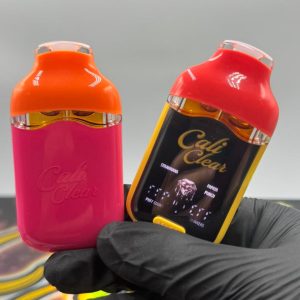
Photographs may document packaging, visible labels, design features, and other observable details. However, images can be reused, edited, copied, or presented without establishing the identity of the item being described.
A photograph should therefore be understood as visual information rather than proof of authenticity, contents, or manufacturing history.
Online descriptions
Online descriptions can provide useful background when they identify the source of information and distinguish between verified details and unconfirmed claims.
Descriptions become less reliable when they use vague wording, make unsupported health or quality claims, or omit relevant information about the responsible manufacturer.
Digital information consistency
Consistency across product labels, documentation, and published information may be useful when evaluating whether details correspond with one another. Still, consistent information is not necessarily accurate information unless its source can be trusted.
Consumer Rights and Access to Reliable Information
Consumer rights and product-information requirements vary by jurisdiction. Depending on the applicable laws, consumers may have protections relating to accurate descriptions, disclosure of relevant information, product safety, and misleading representations.
The availability of these protections may depend on the product category, the circumstances of distribution, and the applicable regulatory framework.
Accurate descriptions
Accurate descriptions are important because consumers rely on published information when evaluating unfamiliar products. A description should not claim characteristics that cannot be substantiated or omit relevant qualifications in a way that creates a misleading impression.
Product concerns and reporting
When a product appears damaged, mislabeled, or inconsistent with its documentation, appropriate reporting channels may include the responsible manufacturer, distributor, retailer, or relevant regulatory authority.
Clear records of the product’s identifying information may assist in communicating a concern. However, reporting procedures and available protections differ between locations.
Transparency and responsibility
Transparency supports informed understanding by making relevant information accessible and clearly presented. Responsibility involves ensuring that published statements accurately reflect the information available.
These principles are particularly important for products involving electronic components, substances that may present health risks, or items subject to specific regulations.
Frequently Asked Questions
What does Clean Carts Special LA Edition mean?
It is a product designation. The meaning of the Special LA Edition label cannot be independently established from the name alone. Additional documentation would be needed to confirm what distinguishes the edition.
Does the name confirm the product is authentic?
No. Branding and edition names alone do not establish authenticity. Verification requires reliable information from an identifiable and trustworthy source.
What does the 2G label establish?
It represents a stated quantity designation associated with the product name. The label alone does not independently confirm the actual contents or accuracy of the stated amount.
Can packaging prove product quality?
Packaging may provide identifying information, but it does not independently establish the contents, manufacturing standards, safety, or quality of the item.
Why is batch information important?
Batch information may help connect a product to specific manufacturing or testing records. Its usefulness depends on whether those records are genuine, accessible, and relevant.
Why should electronic products be handled carefully?
Electronic products may contain batteries and components that can become hazardous when damaged, exposed to unsuitable conditions, or improperly discarded.
Are product claims always independently verified?
No. A claim printed on packaging or repeated in an online description may be a manufacturer or seller statement rather than an independently confirmed fact.
Why does transparent product information matter?
Transparency helps readers distinguish documented information from assumptions. It also supports clearer communication about product identification, limitations, warnings, and relevant uncertainties.
Closing Information
The Clean Carts Special LA Edition 2G designation illustrates why product names, packaging, and online descriptions should be interpreted carefully. A distinctive label can provide an identifying reference, but reliable information about a product requires more than its appearance or name.
Accurate documentation, clear labeling, responsible communication, consumer awareness, and appropriate electronic-waste management are important considerations when evaluating unfamiliar consumer products.
A well-informed approach places greater value on verifiable information than on assumptions. By recognizing the limitations of product claims and understanding the role of documentation, readers can develop a clearer picture of what a product’s published information actually establishes.



Reviews
There are no reviews yet.